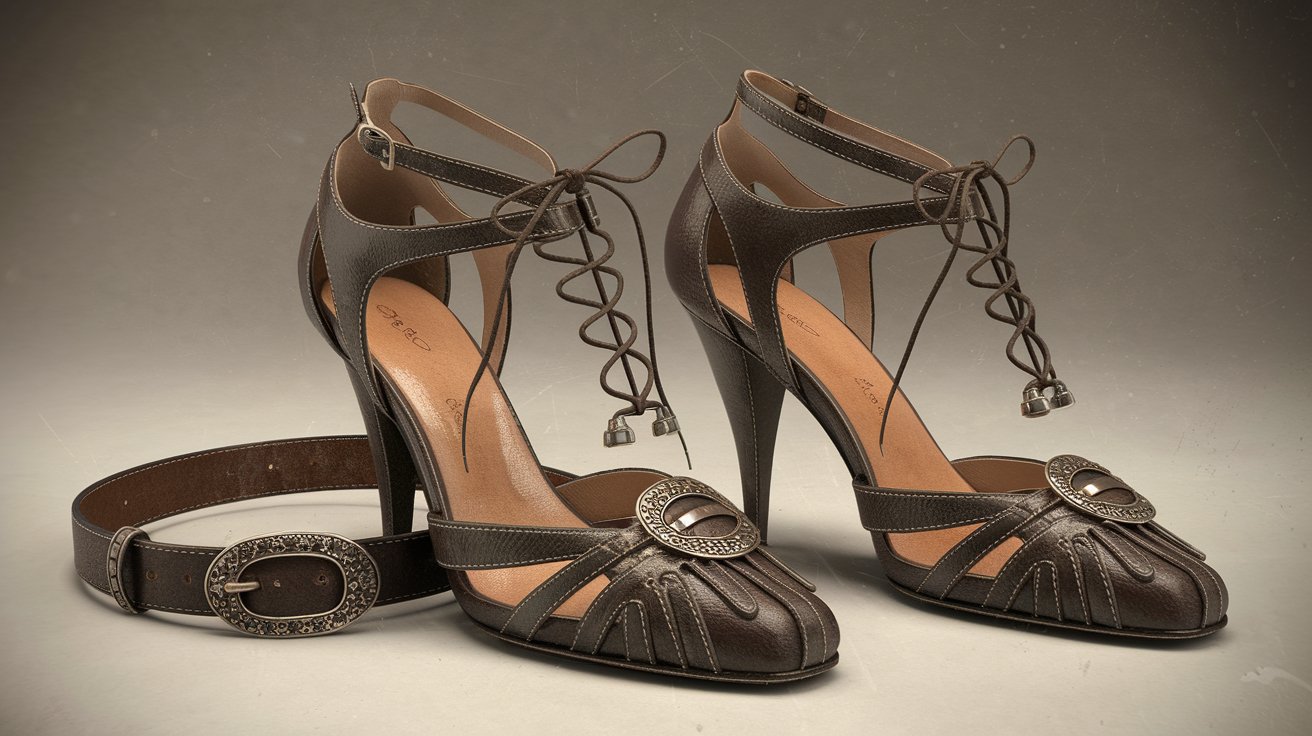
1920s Shoes and Accessories: Complete Guide to Roaring Era
The 1920s shoes and accessories defined an era of liberation and glamour that continues to inspire modern fashion. From delicate T-bar shoes to elaborate beaded headbands, the Roaring Twenties introduced revolutionary styles that reflected women’s newfound freedom and the decade’s exuberant spirit.
Essential 1920s Women’s Shoes Styles
The 1920s women’s shoes underwent a dramatic transformation as hemlines rose and dance floors beckoned. T-bar shoes became the decade’s signature footwear, featuring a distinctive strap across the instep that provided both security and style during energetic Charleston dancing. These shoes typically featured Cuban heels measuring 2-3 inches, offering the perfect balance between elegance and practicality for the modern flapper.
Oxford shoes gained popularity among progressive women who embraced more masculine-inspired fashion. These lace-up shoes often featured contrasting leather colors, with two-tone combinations of black and white or brown and cream becoming particularly fashionable. The sturdy construction and comfortable fit made them ideal for the active lifestyle that characterized 1920s womanhood.
T-Bar Shoes: The Decade’s Icon
T-bar shoes represented the perfect fusion of practicality and Art Deco elegance. The characteristic T-shaped strap system secured the foot while allowing for the energetic movements required by popular dances like the Charleston and the Fox Trot. Premium versions featured intricate cutwork, decorative buckles, and luxurious materials like patent leather or silk satin for evening wear.
Evening and Dance Shoes
For formal occasions, 1920s evening shoes showcased remarkable craftsmanship with delicate beadwork, metallic leathers, and silk fabrics. Dance shoes required special attention to sole construction, featuring suede or leather soles that provided the perfect amount of slip for smooth dancing while maintaining control during quick steps and pivots.
Iconic 1920s Accessories That Defined the Era
1920s accessories played a crucial role in completing the flapper look, with each piece carefully chosen to complement the decade’s geometric aesthetic and liberated spirit. Long pearl necklaces became the ultimate symbol of sophistication, often worn in multiple strands or knotted casually for a more relaxed appearance. These pearls, whether genuine or high-quality costume varieties, were frequently paired with dangling earrings that caught the light during dancing.
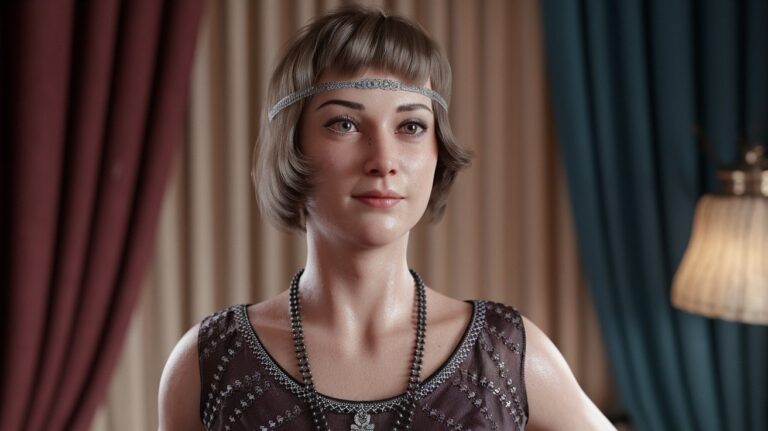
Headbands and hair accessories experienced unprecedented creativity during this period. Beaded headbands featuring Art Deco patterns, feathers, and jeweled elements transformed simple bob haircuts into glamorous statements. The iconic headband placement across the forehead rather than at the hairline became a defining characteristic of 1920s style, creating a distinctly modern and rebellious appearance.
Pearl Jewelry and Necklaces
The long pearl necklace became synonymous with 1920s fashion, typically measuring 60 inches or longer to achieve the characteristic draping effect. Women often wore multiple strands simultaneously, creating layers of lustrous elegance that complemented the dropped waistlines of flapper dresses. Costume pearls made this luxurious look accessible to middle-class women, democratizing high fashion.
Art Deco Jewelry Pieces
Art Deco jewelry reflected the decade’s love affair with geometric patterns, bold lines, and exotic materials. Brooches featuring stylized designs, cocktail rings with dramatic gemstones, and bracelet watches combined functionality with artistic expression. These pieces often incorporated materials like jade, onyx, and colored enamel to create striking visual contrasts.
Hair Accessories and Headpieces
The revolution in women’s hairstyles during the 1920s created entirely new categories of hair accessories. As women chopped off their long Victorian locks in favor of sleek bobs and finger waves, decorative headpieces became essential for adding glamour and personality to shorter styles. Jeweled hair clips, ornate combs, and decorative pins allowed for creative expression while maintaining the neat, modern appearance that defined the era.
Feathered headbands represented the height of 1920s luxury, often featuring exotic plumes from ostriches, peacocks, or egrets arranged in dramatic fans or cascading designs. These elaborate pieces were reserved for special occasions and evening events, where they created striking silhouettes against the geometric lines of Art Deco architecture and fashion.
Handbags and Purses of the 1920s
1920s handbags reflected the decade’s emphasis on both practicality and ornamentation. Beaded evening bags became works of art, featuring intricate patterns inspired by Egyptian motifs, Art Deco geometries, and exotic landscapes. These small purses, designed to hold only essential items like lipstick, powder compacts, and cigarettes, complemented the streamlined silhouettes of flapper fashion.
Daytime bags embraced new materials and construction techniques, with leather handbags featuring innovative closures, geometric shapes, and compartmentalized interiors. The growing independence of women necessitated practical storage solutions for keys, money, and personal items, leading to the development of structured bags with multiple pockets and secure fastenings.
Beaded Evening Purses
Intricately beaded evening purses represented the pinnacle of 1920s craftsmanship, with skilled artisans creating elaborate scenes using thousands of tiny glass beads. Popular motifs included Egyptian hieroglyphs inspired by the recent discovery of King Tut’s tomb, Art Deco sunburst patterns, and romantic pastoral scenes that contrasted beautifully with the era’s modern aesthetic.
Mesh and Metal Purses
German silver mesh purses offered durability and elegance for everyday use, featuring flexible metal construction that created beautiful draping effects. These purses often included decorative frames with engine-turned patterns, cabochon stones, or enameled details that reflected the Art Deco movement’s influence on functional objects.
Gloves and Hosiery Fashion
1920s gloves served both practical and fashionable purposes, with different lengths and styles appropriate for various times of day and social occasions. Long opera gloves extending above the elbow remained essential for formal evening wear, while shorter day gloves in kid leather or fabric complemented casual outfits. The quality of gloves often indicated social status, with fine French kid leather representing the height of luxury.
The introduction of rayon stockings revolutionized women’s hosiery options, providing a more affordable alternative to silk while offering improved durability and easier care. Flesh-toned stockings became standard, creating the illusion of bare legs that complemented shorter hemlines, while decorative clocking and seamed details added visual interest to this essential wardrobe component.
Men’s 1920s Shoes and Accessories
Men’s 1920s fashion emphasized sharp tailoring and attention to detail, with shoes and accessories playing crucial roles in achieving the decade’s sophisticated aesthetic. Oxford shoes in black or brown leather dominated formal wear, while two-tone spectator shoes became popular for casual and sporting activities. The quality of leather and precision of construction distinguished gentleman’s footwear, with hand-welted soles and carefully burnished finishes indicating superior craftsmanship.
Accessories for men included pocket watches, cufflinks, collar pins, and tie clips that reflected Art Deco design principles. Suspenders and bow ties remained essential elements of proper dress, while the growing popularity of wristwatches began to challenge the dominance of traditional pocket timepieces among younger men.
Two-Tone Oxford Shoes
Spectator shoes featuring contrasting leather colors became symbols of 1920s masculine style, particularly popular for golf, tennis, and other sporting activities. The classic combination of white and tan or black and white created striking visual contrasts that complemented the decade’s bold fashion sensibilities while maintaining appropriate formality for social occasions.
Formal Dress Accessories
Evening wear required specific accessories including patent leather shoes, white bow ties, and decorative shirt studs that created the refined appearance expected at formal gatherings. Pocket watches with elaborate chains, monogrammed cufflinks, and silk top hats completed the gentleman’s formal ensemble for opera, theater, and other cultural events.
Authentic 1920s Materials and Construction
Understanding authentic 1920s materials helps collectors and fashion enthusiasts identify genuine vintage pieces and high-quality reproductions. Leather goods featured full-grain hides with natural patina development, while metal components utilized brass, German silver, and early plastics like celluloid for decorative elements. The craftsmanship standards of the era emphasized durability and repairability, with shoes featuring replaceable heels and resoleable construction.
Textile accessories incorporated luxury materials including silk, velvet, and imported laces that reflected the decade’s prosperity and international trade connections. Beadwork techniques reached new heights of sophistication, with artisans creating complex patterns using Czech glass beads, Austrian crystals, and semi-precious stones that caught and reflected light during evening festivities.
Modern Reproductions and Vintage Shopping
Today’s market offers numerous options for acquiring 1920s-inspired accessories, ranging from museum-quality reproductions to authentic vintage pieces. High-end reproduction shoes utilize traditional construction methods and premium materials to recreate the comfort and elegance of original 1920s footwear. Collectors should examine stitching quality, heel construction, and sole materials when evaluating both vintage and reproduction pieces.
Vintage 1920s accessories require careful authentication, as the popularity of the era has led to numerous replicas and fantasy pieces that claim historical accuracy. Genuine period pieces often show characteristic wear patterns, construction techniques, and material aging that distinguish them from modern reproductions, making expert evaluation essential for serious collectors and investors.
Related video about 1920s shoes and accessories
This video complements the article information with a practical visual demonstration.
Essential Q&A about 1920s shoes and accessories
What were the most popular 1920s women’s shoe styles?
T-bar shoes dominated 1920s women’s footwear, featuring distinctive straps across the instep and Cuban heels of 2-3 inches. Oxford lace-up shoes and delicate evening shoes with beadwork or metallic finishes were also extremely popular, providing options for both daily wear and special occasions.
How do I identify authentic 1920s accessories?
Authentic 1920s accessories display period-appropriate construction techniques, materials like German silver mesh, genuine leather with natural aging, and specific wear patterns. Look for hand-sewn beadwork, original hardware, and manufacturing marks that correspond to known 1920s producers and techniques.
What accessories defined the 1920s flapper look?
Essential flapper accessories included long pearl necklaces (60+ inches), beaded headbands worn across the forehead, dangling earrings, T-bar shoes, and small beaded evening purses. These pieces complemented the era’s shortened hemlines and bobbed hairstyles while reflecting Art Deco design principles.
Where can I buy quality 1920s-style shoes and accessories today?
Quality 1920s reproductions are available from specialized vintage fashion retailers, theatrical costume suppliers, and artisan shoemakers who focus on historical accuracy. For authentic pieces, estate sales, vintage boutiques, and reputable auction houses offer the best selections, though professional authentication is recommended for valuable items.
What materials were commonly used in 1920s accessories?
Common 1920s materials included full-grain leather, silk, velvet, Czech glass beads, German silver mesh, brass hardware, natural pearls and high-quality costume pearls, and early plastics like celluloid. Luxury items featured exotic materials like jade, onyx, and imported laces from Europe.
How much did 1920s shoes and accessories cost originally?
In the 1920s, quality T-bar shoes typically cost $3-8 (equivalent to $45-120 today), while elaborate beaded evening purses ranged from $5-25 ($75-375 today). Long pearl necklaces varied dramatically from $2 for costume varieties to $200+ for genuine pearls, making luxury fashion accessible across different economic levels.
| Accessory Category | Key Features | Style Impact |
|---|---|---|
| T-Bar Shoes | Distinctive strap, Cuban heels, secure fit | Perfect for dancing, feminine yet practical |
| Pearl Necklaces | Long strands, 60+ inches, multiple layers | Symbol of sophistication and liberation |
| Beaded Headbands | Geometric patterns, worn across forehead | Complemented bobbed hair, Art Deco style |
| Evening Purses | Intricate beadwork, small size, ornate frames | Functional art pieces for special occasions |