Makeup in the 1910s: Complete Guide to Edwardian Beauty
The makeup in the 1910s represented a pivotal transition in women’s beauty practices, marking the shift from Victorian modesty to more expressive cosmetic use. This decade witnessed the rise of commercial cosmetics, changing beauty ideals, and the influence of Hollywood’s emerging film industry on everyday women’s appearance choices.
Beauty Standards and Ideals of the 1910s
The beauty standards of the 1910s makeup era emphasized a natural yet polished appearance that departed from the heavily powdered Victorian look. Women sought to achieve a healthy, youthful complexion with subtle enhancements rather than dramatic transformations. The ideal face featured soft, rounded features with a porcelain-like skin tone, complemented by naturally flushed cheeks and softly defined eyes.
Social changes during this decade significantly influenced Edwardian beauty practices. The women’s suffrage movement encouraged a more confident, modern appearance, while the growing film industry introduced new beauty icons. Actresses like Mary Pickford and Lillian Gish became style inspirations, promoting a fresh-faced look that combined innocence with sophistication.
Essential Cosmetic Products of the 1910s
The 1910s cosmetics industry experienced unprecedented growth, with companies like Max Factor, Helena Rubinstein, and Elizabeth Arden establishing themselves as beauty authorities. Face powder remained the most essential item in every woman’s beauty arsenal, typically made from rice powder or talc and available in shades of white, pink, and natural flesh tones. These powders helped achieve the desired matte finish while protecting the skin from environmental elements.
Rouge became increasingly acceptable during this period, though its application required discretion to maintain respectability. Early 1910s makeup products included cream rouge in small pots, which women applied with their fingers to create a natural flush on the cheeks. Lip preparations consisted primarily of petroleum jelly or simple lip balms, as colored lipstick was still considered inappropriate for respectable women in most social circles.
Face Powders and Base Makeup
Face powder technology advanced significantly during the 1910s beauty routine, with manufacturers developing finer textures and better staying power. Women typically applied powder using large powder puffs or brushes, building up coverage gradually to achieve the desired porcelain effect. The most popular shades included Rachel, a warm beige tone named after the famous French actress, and natural flesh tones that complemented various skin types.
Rouge and Cheek Colors
Rouge application in the 1910s makeup techniques required careful consideration of social propriety and natural appearance. Women learned to apply cream rouge sparingly to the apples of their cheeks, blending outward for a healthy, exercise-induced flush. The most acceptable colors ranged from soft pink to coral tones, with deeper reds reserved for evening occasions or theatrical performances.
Eye Makeup and Eyebrow Styling in the 1910s
Eye makeup during the 1910s fashion and beauty era focused primarily on enhancing natural features rather than creating dramatic effects. Women used petroleum jelly or specialized eye preparations to darken and separate their eyelashes, achieving a subtle definition that enhanced their natural beauty. Eyeshadow, when used, consisted of neutral tones that barely differed from natural skin color.
Eyebrow styling became increasingly important as 1910s beauty trends emphasized well-groomed, natural-looking brows. Women shaped their eyebrows into soft, rounded arches using small scissors and tweezers, avoiding the thin, highly plucked styles that would become popular in later decades. The goal was to create a neat, defined frame for the eyes while maintaining a natural appearance.
Eyelash Enhancement Techniques
Eyelash enhancement in the 1910s cosmetic practices relied heavily on petroleum-based products and careful grooming techniques. Women would apply a small amount of Vaseline to their lashes using a small brush or their fingertips, then use a heated eyelash curler to create subtle curves. Some women also experimented with early mascara formulations, though these were primarily available to theatrical performers.
Eyebrow Grooming Methods
Proper eyebrow maintenance became a crucial aspect of 1910s makeup application, with women investing in specialized tools and techniques. Professional beauty advisors recommended daily brushing with small, stiff brushes to train the hairs into the desired shape. Women also used petroleum jelly or specialized brow pomades to keep unruly hairs in place throughout the day.
Lip Care and Coloring in the Edwardian Era
Lip care during the 1910s beauty standards focused primarily on maintaining healthy, naturally colored lips rather than adding artificial color. Most respectable women avoided obvious lip coloring, instead relying on lip balms and treatments to enhance their natural lip tone. Popular preparations included rose-scented petroleum jelly, beeswax-based balms, and tinted lip salves that provided subtle color enhancement.
The transition toward accepting lip color occurred gradually throughout the decade, with 1910s makeup evolution showing increased tolerance for subtle tinting. Women began experimenting with lip papers – thin sheets of tinted paper that transferred minimal color when pressed against the lips. This method allowed for discrete color application that appeared natural while satisfying the desire for enhanced beauty.
Hair and Makeup Coordination
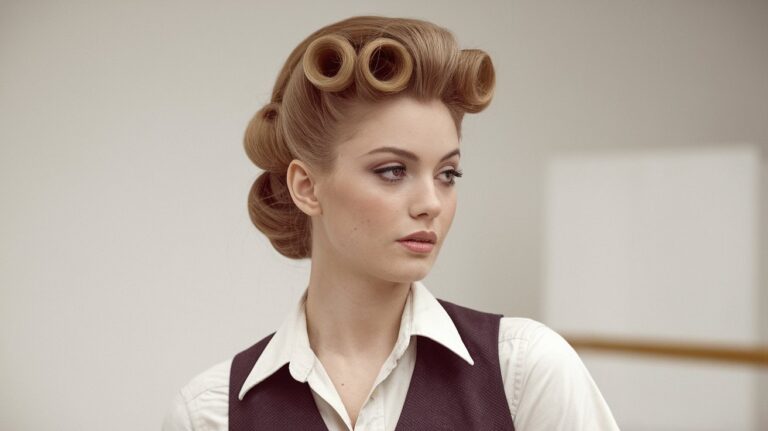
The relationship between hair styling and makeup in the 1910s required careful coordination to achieve a harmonious overall appearance. Popular hairstyles like the Gibson Girl updo and finger waves influenced makeup choices, with softer makeup complementing elaborate hairstyles and slightly more defined features pairing with simpler hair arrangements. Women learned to balance their beauty routine to ensure neither element overwhelmed the other.
Professional beauty advisors emphasized the importance of considering hair color when selecting 1910s cosmetic shades. Fair-haired women typically chose cooler powder tones and pink-based rouge, while darker-haired women opted for warmer shades that complemented their natural coloring. This personalized approach to beauty marked a significant advancement in cosmetic understanding and application techniques.
Social Context and Makeup Acceptance
The social acceptance of makeup in the 1910s varied significantly based on social class, geographical location, and individual circumstances. Urban women generally enjoyed greater freedom in their beauty practices compared to their rural counterparts, while working women often had different makeup needs than those in more traditional domestic roles. The decade marked a crucial period in changing attitudes toward cosmetic use and women’s self-expression.
Religious and cultural influences continued to shape 1910s beauty practices, with many communities maintaining conservative views about cosmetic use. However, the increasing influence of popular culture, including early cinema and fashion magazines, gradually shifted public opinion toward greater acceptance of tasteful makeup application. This cultural evolution laid the groundwork for the more dramatic beauty changes that would define the following decades.
Application Techniques and Daily Routines
Daily 1910s makeup routines typically began with thorough cleansing using cold cream or soap designed specifically for facial use. Women then applied a light layer of face powder using large powder puffs, ensuring even coverage without creating a mask-like appearance. The entire process usually required 15-20 minutes and emphasized natural enhancement over dramatic transformation.
Professional 1910s makeup application techniques emphasized blending and subtlety in all aspects of cosmetic use. Women learned to build color gradually, checking their appearance in natural light to ensure their makeup appeared appropriate for daytime wear. Evening routines might include slightly more intense application, but the overall philosophy remained focused on enhancing natural beauty rather than creating artificial effects.
Morning Beauty Routine
The typical morning 1910s beauty regimen began with gentle cleansing using lukewarm water and mild soap, followed by the application of cold cream to moisturize the skin. Women then waited several minutes before applying face powder, ensuring the skin was properly prepared to receive the cosmetics. This methodical approach helped achieve the desired smooth, matte finish that characterized the era’s beauty ideal.
Evening Beauty Preparation
Evening 1910s makeup enhancement involved subtle intensification of daytime looks rather than complete transformation. Women might apply additional rouge for a healthier flush or add a small amount of petroleum jelly to their eyelashes for extra definition. The key was maintaining elegance and propriety while appearing slightly more polished for social occasions.
Influence of Early Cinema on 1910s Beauty
The emerging film industry significantly impacted 1910s makeup trends as moviegoers began emulating their favorite actresses’ appearance. Early film stars like Mary Pickford, with her natural, girlish beauty, and Theda Bara, with her more dramatic look, provided contrasting beauty inspirations that influenced women’s cosmetic choices. The visual nature of cinema made beauty techniques more accessible to average women seeking to recreate popular looks.
Studio makeup techniques gradually filtered into mainstream 1910s beauty culture, though in significantly modified forms appropriate for everyday wear. Women learned about highlighting and contouring through beauty magazines that described theatrical techniques, adapting these methods for natural daylight application. This cross-pollination between professional and personal beauty practices marked an important evolution in cosmetic understanding and application.
Related video about makeup in the 1910s
This video complements the article information with a practical visual demonstration.
What you should know
What were the most popular makeup products used in the 1910s?
The most essential 1910s makeup products included face powder (typically rice powder or talc-based), cream rouge for cheeks, petroleum jelly for eyelash enhancement, and lip balms. Face powder was considered the most important item, with women using it daily to achieve the desired matte, porcelain-like complexion that defined the era’s beauty standard.
How did social attitudes toward makeup change during the 1910s?
Social acceptance of makeup gradually increased throughout the 1910s, influenced by the women’s suffrage movement, emerging cinema, and changing urban lifestyles. While Victorian-era restrictions on cosmetic use began to loosen, makeup still needed to appear natural and tasteful. Urban women generally had more freedom in their beauty practices compared to rural women, and the decade marked a crucial transition toward greater cosmetic acceptance.
What was the typical daily makeup routine for women in the 1910s?
A typical 1910s daily routine began with cleansing using cold cream or mild soap, followed by moisturizing and the application of face powder using a large powder puff. Women then applied cream rouge sparingly to their cheeks and used petroleum jelly on their eyelashes. The entire process took 15-20 minutes and emphasized natural enhancement over dramatic transformation.
How did 1910s makeup differ from Victorian-era beauty practices?
The 1910s marked a significant departure from Victorian beauty practices by allowing more visible cosmetic use and emphasizing a healthier, more natural appearance. While Victorian women primarily used face powder and avoided obvious makeup, 1910s women began incorporating subtle rouge and lip preparations. The decade represented a transition from extremely modest beauty practices to more expressive, though still restrained, cosmetic use.
What role did early cinema play in shaping 1910s beauty trends?
Early cinema significantly influenced 1910s beauty trends as actresses like Mary Pickford and Lillian Gish became style icons for everyday women. The visual nature of film made beauty techniques more accessible, and studio makeup methods gradually filtered into mainstream beauty culture. Women began emulating their favorite stars’ natural yet polished looks, adapting theatrical techniques for appropriate daytime wear.
Were there any safety concerns with 1910s makeup products?
Yes, many 1910s makeup products contained potentially harmful ingredients, including lead-based face powders and mercury compounds in some cosmetic formulations. However, the decade saw improvements in product safety as established companies like Max Factor and Helena Rubinstein began developing safer formulations. Women were generally advised to purchase cosmetics from reputable sources and to test products before regular use to avoid adverse reactions.
| Beauty Aspect | 1910s Approach | Cultural Impact |
|---|---|---|
| Face Makeup | Powder-based matte finish with subtle rouge | Established foundation for modern base makeup |
| Eye Enhancement | Natural definition with petroleum jelly and groomed brows | Introduced eye care as beauty priority |
| Lip Care | Focus on health and subtle natural color | Paved way for lip color acceptance |
| Social Acceptance | Gradual increase in cosmetic tolerance | Bridged Victorian restraint to modern expression |