Makeup in the 1900s: Beauty Evolution & Iconic Trends
The makeup in the 1900s underwent a dramatic transformation that fundamentally changed American beauty standards. From the subtle, natural Victorian looks of the early decade to the bold, expressive styles of the roaring twenties, this period marked the birth of modern cosmetics. The evolution of 1900s beauty trends reflected changing social attitudes, technological advances, and women’s growing independence throughout the United States.
Early 1900s Makeup Foundation and Social Context
In the early 1900s, Victorian beauty standards still dominated American society, emphasizing natural, understated appearances. Most respectable women avoided obvious makeup, as cosmetics were associated with actresses and women of questionable reputation. The ideal look featured pale skin, rosy cheeks achieved through pinching rather than rouge, and minimal eye enhancement. This conservative approach to beauty reflected the era’s social expectations for proper ladies in American society.
The makeup products available in 1900 were limited and often homemade. Women relied on rice powder for complexion, beetroot for lip color, and petroleum jelly mixed with charcoal for mascara. Commercial cosmetics were just beginning to emerge, with companies like Maybelline founded in 1915 and Max Factor establishing operations in the United States during this transformative decade.
Revolutionary Changes in 1910s Beauty Standards
The 1910s marked a pivotal shift in American makeup culture as social attitudes began liberalizing. The suffragette movement influenced beauty trends, with women expressing newfound independence through bolder cosmetic choices. Professional makeup artists like Max Factor began developing products specifically for everyday wear, not just stage and film use. This decade saw the introduction of the first commercial lipsticks in metal tubes and powder compacts designed for portability.
Cinema played a crucial role in popularizing 1910s makeup trends across the United States. Silent film stars like Mary Pickford and Lillian Gish demonstrated that makeup could enhance natural beauty without appearing vulgar. Their influence helped legitimize cosmetics among middle-class American women, creating demand for products that could recreate Hollywood glamour in everyday life.
Iconic Makeup Products of the 1910s
The decade introduced several revolutionary cosmetic innovations that became staples of American beauty routines. Maybelline’s cake mascara, launched in 1917, transformed eye makeup by offering an easy-to-apply formula that created definition without clumping. Rouge began appearing in compact form, making application more convenient and socially acceptable for women to touch up their makeup in public settings throughout the United States.
Color Palettes and Application Techniques
The 1910s color preferences leaned toward natural tones with subtle enhancement. Popular shades included dusty rose for cheeks, coral-pink for lips, and brown or black for eye definition. Application techniques emphasized blending and gradual buildup rather than dramatic contrast, reflecting the era’s preference for refined elegance over theatrical boldness in American beauty culture.
The Roaring Twenties Makeup Revolution
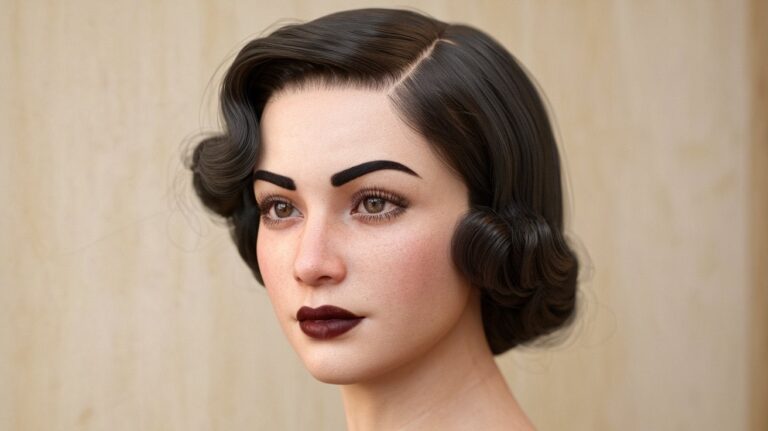
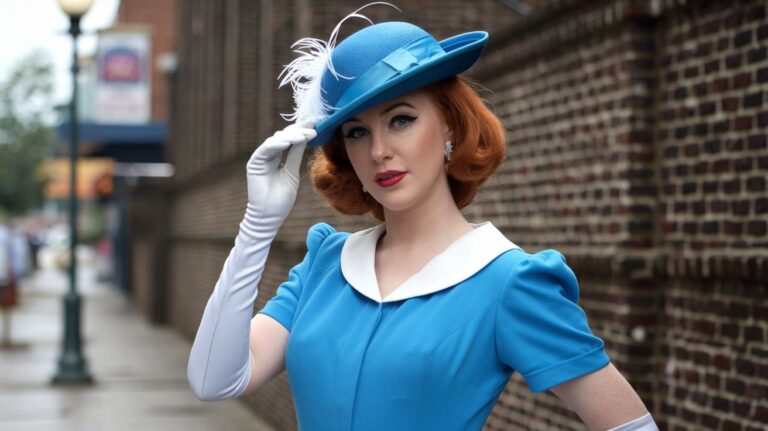
The 1920s completely transformed makeup in America with the emergence of the flapper aesthetic. This decade rejected Victorian restraint in favor of bold, expressive beauty that matched the era’s rebellious spirit. The typical 1920s look featured dark, heavily lined eyes, thin eyebrows, pale skin, and deep red or dark berry lips shaped into the iconic cupid’s bow. This dramatic shift represented women’s liberation and changing social roles in post-World War I America.
Jazz Age beauty trends emphasized geometric shapes and dramatic contrast, influenced by Art Deco design principles. Women began openly applying makeup in public, carrying compact mirrors and lipsticks as fashion accessories. The decade saw unprecedented growth in the American cosmetics industry, with companies like Elizabeth Arden, Helena Rubinstein, and Revlon establishing themselves as major beauty brands serving the expanding market of cosmetic consumers.
Signature 1920s Eye Makeup Techniques
The decade’s most distinctive feature was the dramatic eye makeup that defined flapper style. Women used dark kohl or eyeshadow to create heavy lines around the entire eye, often extending beyond the natural eye shape. Eyebrows were plucked thin and drawn in straight, low lines that complemented the era’s angular aesthetic and reflected the geometric influences prevalent in 1920s American fashion and design.
Lip Shapes and Color Trends of the 1920s
The cupid’s bow lip shape became the defining feature of 1920s makeup, created by overlining the natural lip line to form a distinctive heart-shaped curve. Popular colors included deep reds, burgundy, and dark berry tones that contrasted dramatically with the pale, powdered complexion. This bold lip style symbolized women’s newfound confidence and willingness to challenge traditional beauty conventions in American society.
Makeup Tools and Application Methods in the 1900s
The evolution of makeup application tools during the 1900s reflected the growing sophistication of American beauty routines. Early in the decade, women relied on fingers, handkerchiefs, and makeshift applicators for cosmetic application. By the 1920s, specialized tools like powder puffs, rouge brushes, and eyebrow tweezers became standard accessories in women’s vanity collections across the United States.
Professional makeup artists developed innovative application techniques that filtered down to everyday consumers through beauty magazines and department store demonstrations. The introduction of vanity mirrors with electric lighting allowed for more precise application, while portable compacts enabled touch-ups throughout the day, revolutionizing how American women maintained their appearance in public settings.
Regional Variations in American Makeup Trends
Geographic differences significantly influenced makeup preferences across the United States during the 1900s. Urban centers like New York, Chicago, and Los Angeles embraced bolder, more experimental looks earlier than rural areas, where conservative beauty standards persisted longer. Southern states maintained emphasis on genteel, refined appearances, while Western regions showed more openness to Hollywood-influenced glamour trends that emerged throughout the decade.
Climate and lifestyle factors also shaped regional cosmetic preferences across America. Women in warmer states favored lighter coverage and waterproof formulations, while those in colder climates required heavier, more protective products. These regional variations contributed to the diversity of American beauty culture and influenced how national cosmetic brands adapted their marketing strategies for different geographic markets.
Urban vs Rural Makeup Adoption Patterns
The adoption of modern makeup trends varied significantly between urban and rural American communities. City dwellers had earlier access to department stores, beauty salons, and fashion magazines that promoted the latest cosmetic innovations. Rural women often relied on mail-order catalogs and traveling salespeople, leading to delayed adoption of trending makeup styles and techniques throughout the United States.
Climate-Influenced Beauty Adaptations
American women adapted their makeup routines to suit regional climate conditions throughout the 1900s. Southern states developed preferences for powder-based products that withstood humidity, while northern regions favored cream formulations that provided additional skin protection against harsh weather. These climate-driven adaptations influenced product development and regional marketing strategies for major American cosmetic companies.
Commercial Cosmetics Industry Growth in America
The American cosmetics industry experienced explosive growth during the 1900s, transforming from a small, specialized market to a major economic sector. Companies like Pond’s, established earlier but expanding rapidly, Max Factor, Maybelline, and Elizabeth Arden revolutionized beauty retail through innovative marketing, product development, and distribution strategies that reached consumers across the entire United States.
Department stores became central to cosmetics retail expansion, offering beauty consultations, product demonstrations, and dedicated cosmetics counters staffed by trained professionals. This retail evolution democratized access to quality makeup products and expert application advice, contributing significantly to the widespread adoption of cosmetic use among American women from all social and economic backgrounds.
Cultural Impact and Social Significance
The transformation of makeup culture in 1900s America reflected broader social changes including women’s suffrage, changing work roles, and evolving moral standards. Cosmetic use became a symbol of modern womanhood, representing independence, self-expression, and participation in contemporary culture. This shift challenged traditional gender expectations and contributed to the redefinition of femininity in American society.
The beauty industry’s growth created new employment opportunities for women throughout the United States, from cosmetic manufacturing and retail sales to beauty consulting and professional makeup artistry. This economic impact extended beyond direct employment, influencing related industries including fashion, advertising, packaging, and retail development across American communities both urban and rural.
Related video about makeup in the 1900s
This video complements the article information with a practical visual demonstration.
Questions & Answers
What makeup did women wear in the early 1900s?
In the early 1900s, American women wore minimal makeup following Victorian beauty standards. They used rice powder for complexion, subtle pinching for rosy cheeks, and occasionally homemade lip tints. Most respectable women avoided obvious cosmetics, as makeup was associated with actresses and considered inappropriate for proper ladies in conservative American society.
When did makeup become socially acceptable in America?
Makeup became widely socially acceptable in America during the 1910s and fully mainstream by the 1920s. The suffragette movement, cinema influence, and changing social attitudes after World War I contributed to this shift. By the mid-1920s, cosmetic use was considered normal and fashionable among American women across all social classes.
What were the most popular 1920s makeup trends?
The 1920s featured dramatic eye makeup with heavy dark lining, thin geometric eyebrows, pale powdered skin, and the iconic cupid’s bow lip shape in deep red or berry colors. This bold, geometric style reflected the Jazz Age’s rebellious spirit and Art Deco influence, completely transforming American beauty standards from the conservative early 1900s look.
Which cosmetic brands were popular in the 1900s America?
Major American cosmetic brands of the 1900s included Maybelline (founded 1915), Max Factor, Elizabeth Arden, Helena Rubinstein, and Pond’s. These companies revolutionized the industry with innovative products like cake mascara, compact rouge, and metal tube lipsticks, establishing the foundation of modern American cosmetics retail and marketing.
How did Hollywood influence 1900s makeup trends?
Hollywood profoundly influenced American makeup trends throughout the 1900s, especially after 1915. Silent film stars like Mary Pickford demonstrated that makeup could enhance natural beauty, while 1920s screen sirens popularized dramatic looks. Cinema normalized cosmetic use and created demand for products that could recreate movie star glamour in everyday American life.
What makeup tools were used in the 1900s?
Early 1900s makeup tools included fingers, handkerchiefs, and makeshift applicators. By the 1920s, specialized tools emerged including powder puffs, rouge brushes, eyebrow tweezers, and portable compact mirrors. Professional makeup artists developed innovative application techniques that filtered down to consumers through beauty magazines and department store demonstrations across America.
| Decade | Key Makeup Characteristics | Cultural Significance |
|---|---|---|
| Early 1900s | Minimal, natural look with rice powder and subtle enhancement | Reflected Victorian moral standards and social conservatism |
| 1910s | Introduction of commercial products, Hollywood influence | Transition period legitimizing cosmetic use in mainstream society |
| 1920s | Bold, geometric looks with dramatic eyes and cupid’s bow lips | Symbol of women’s liberation and modern American femininity |