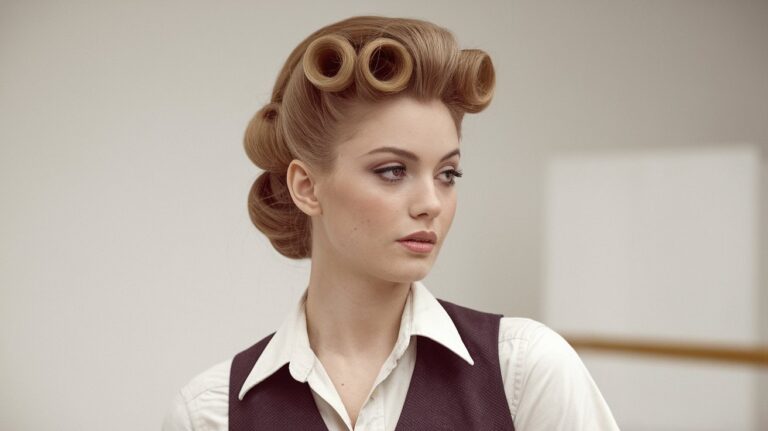
1920s Makeup: Complete Guide to Flapper Beauty Trends
The 1920s makeup revolution transformed women’s beauty standards forever, introducing bold, dramatic looks that challenged Victorian conservatism. This era brought us iconic flapper makeup techniques including heavily lined eyes, thin eyebrows, and cupid’s bow lips that defined the rebellious spirit of the Jazz Age.
The Evolution of 1920s Beauty Standards
The transformation of makeup in the 1920s reflected broader social changes as women gained independence and challenged traditional roles. The post-World War I era saw women entering the workforce in unprecedented numbers, leading to a demand for practical yet glamorous beauty routines. This decade marked the first time makeup became socially acceptable for respectable women, moving away from the natural Victorian ideal to embrace artificial enhancement.
Beauty standards shifted dramatically during this period, with the ideal woman sporting a boyish figure and androgynous features. The Gibson Girl’s soft, romantic look gave way to sharp, geometric beauty that emphasized youth and rebellion. Women began purchasing commercial cosmetics in department stores, making 1920s makeup techniques accessible to the masses rather than limited to stage performers and actresses.
Key Influences on 1920s Makeup Trends
Hollywood stars like Clara Bow, Louise Brooks, and Theda Bara became beauty icons of the 1920s, their dramatic makeup looks influencing millions of American women. The rise of cinema created new beauty standards, as actresses’ exaggerated makeup translated beautifully to black-and-white film. Art Deco aesthetics also heavily influenced makeup application, with geometric shapes and bold contrasts becoming central to the flapper look.
Social Impact of Bold Makeup Choices
The adoption of dramatic 1920s makeup represented women’s newfound freedom and rejection of traditional feminine roles. Wearing visible cosmetics became an act of rebellion against conservative values, with younger women using bold eye makeup and red lips to signal their independence. This makeup revolution coincided with women gaining the right to vote, entering universities, and challenging gender norms across American society.
Essential 1920s Eye Makeup Techniques
The eyes dominated 1920s makeup looks, featuring heavy kohl application and dramatic shading that created an intense, sultry appearance. Women used dark eyeshadow and thick eyeliner to achieve the signature smoky eye effect, often extending liner beyond the natural eye shape for added drama. The goal was to create large, expressive eyes that photographs beautifully and commanded attention in dimly lit speakeasies.
Black kohl became the cornerstone of flapper eye makeup, applied liberally to both upper and lower lash lines and sometimes smudged for a lived-in effect. Women often used burnt cork or homemade mixtures when commercial products weren’t available, demonstrating their commitment to achieving the perfect 1920s eye look. Mascara application was heavy and dramatic, with many women using cake mascara applied with small brushes to create clumpy, defined lashes.
Creating the Perfect Smoky Eye
The 1920s smoky eye technique involved layering dark shadows from the lash line to the brow bone, creating depth and mystery. Women used charcoal-based shadows in deep grays and blacks, blending upward to create a gradient effect. The lower lash line received equal attention, with heavy kohl application extending slightly beyond the outer corner to elongate the eye shape and enhance the dramatic effect.
Eyebrow Shaping and Styling
The 1920s eyebrow trend favored extremely thin, heavily plucked brows that created a surprised or dramatic expression. Women would pluck their natural brows almost entirely, then redraw them as thin lines using eyebrow pencils or burnt matches. These pencil-thin eyebrows were positioned higher than the natural brow line, creating an artificial arch that complemented the era’s geometric makeup aesthetic and enhanced the eyes’ dramatic impact.
The Iconic 1920s Lip Look
The cupid’s bow lip became the defining feature of 1920s makeup, creating a small, doll-like mouth that contrasted sharply with the era’s dramatic eyes. Women would use lip liner to draw a heart-shaped upper lip, often making their natural lips appear smaller by concealing the outer corners. This technique required precise application of dark red lipstick, typically in deep crimson or burgundy shades that photographed beautifully in black-and-white images.
Achieving the perfect 1920s lip shape involved strategic use of concealer or powder to hide the natural lip line before redrawing it smaller. The lower lip was kept full and rounded, while the upper lip featured the characteristic pointed peaks of the cupid’s bow. Matte lipstick finishes were preferred over glossy formulations, as they provided better staying power and created the desired flat, painted appearance that defined flapper beauty standards.
1920s Foundation and Complexion Techniques
The ideal 1920s complexion was pale, powdered, and absolutely matte, rejecting the natural, rosy-cheeked look of previous decades. Women used thick, white-based foundations to create a porcelain-like finish, often several shades lighter than their natural skin tone. Heavy powder application was essential to set the foundation and eliminate any shine, creating the flat, painted complexion that characterized flapper makeup looks.
Rouge application in the 1920s focused on creating round circles of color on the apples of the cheeks rather than following natural bone structure. This artificial placement enhanced the doll-like quality of the overall look and complemented the geometric shapes used throughout 1920s makeup techniques. Women often used bright coral or deep rose shades, applied heavily for maximum impact in the era’s dramatic lighting conditions.
Popular Foundation Products and Application
Commercial 1920s foundation products included Max Factor’s Greasepaint, originally developed for film actors, and Pond’s Vanishing Cream, which created the desired matte finish. Women applied these products with fingers or small sponges, building coverage in layers to achieve complete opacity. The goal was to create a mask-like complexion that served as a blank canvas for dramatic eye and lip makeup.
Setting Powder and Finishing Techniques
Heavy powder application was crucial for maintaining the matte 1920s complexion throughout long nights of dancing and socializing. Women used loose face powder in shades even lighter than their foundation, applying it generously with large powder puffs. This technique created the characteristic flat, photogenic finish that looked stunning under the artificial lighting of nightclubs and movie theaters.
Popular 1920s Makeup Brands and Products
The commercialization of cosmetics reached new heights in the 1920s, with brands like Max Factor, Maybelline, and Revlon establishing themselves as household names. Max Factor’s makeup, originally created for Hollywood stars, became available to American consumers, bringing professional-quality products to the masses. Maybelline’s cake mascara, introduced in 1917, remained the gold standard throughout the decade, while new lipstick formulations in metal tubes revolutionized lip color application.
Department stores began dedicating entire sections to cosmetics, making 1920s makeup products easily accessible to middle-class women. Brands marketed their products using celebrity endorsements and dramatic advertising that promised to transform ordinary women into glamorous flappers. The rise of mass-produced cosmetics democratized beauty, allowing women across America to achieve the sophisticated looks previously reserved for wealthy socialites and movie stars.
DIY 1920s Makeup: Modern Recreation Guide
Recreating authentic 1920s makeup looks today requires understanding the era’s techniques while adapting them for modern products and sensibilities. Start with a full-coverage foundation in a shade slightly lighter than your natural skin tone, followed by generous powder application to achieve the characteristic matte finish. The key to successful flapper makeup recreation lies in embracing the era’s artificial, theatrical approach rather than trying to make it look natural.
Modern makeup artists recommend using waterproof black eyeliner and dark eyeshadows to recreate the dramatic eye looks of the 1920s. Focus on creating geometric shapes rather than following your natural eye contours, extending liner beyond the outer corners and heavily lining the lower lash line. For the cupid’s bow lips, use a lip liner to reshape your mouth before applying matte red lipstick, concealing your natural lip line where necessary to achieve the era’s characteristic small, heart-shaped mouth.
Step-by-Step Modern 1920s Makeup Tutorial
Begin your 1920s makeup transformation with a primer and full-coverage foundation, setting with translucent powder for a matte finish. Create thin eyebrows by concealing your natural brow shape and redrawing with a dark pencil in a high arch. Apply black eyeshadow and heavy kohl liner around the entire eye, smudging for a smoky effect, then finish with multiple coats of black mascara for clumpy, defined lashes.
Essential Products for 1920s Makeup Recreation
Modern products that work well for recreating 1920s makeup include full-coverage foundations like Estée Lauder Double Wear, matte black eyeshadows, waterproof kohl pencils, and liquid eyeliners for precise lines. Choose matte red lipsticks in deep crimson or burgundy shades, and use concealer or lip primer to reshape your mouth into the era’s characteristic cupid’s bow. A translucent setting powder and large powder puff complete the essential kit for achieving authentic 1920s looks.
Related video about makeup in the 1920s
This video complements the article information with a practical visual demonstration.
Most asked questions about makeup in the 1920s
What were the key features of 1920s makeup?
1920s makeup featured heavily lined eyes with dark kohl, thin plucked eyebrows, cupid’s bow lips in deep red, and pale powdered complexions. The look emphasized drama and artificiality, with geometric shapes and bold contrasts defining the flapper aesthetic.
How did women apply eyeshadow in the 1920s?
Women used dark charcoal-based shadows in blacks and deep grays, applying them from the lash line to the brow bone. The technique focused on creating smoky, dramatic effects rather than natural-looking gradients, often extending beyond the natural eye shape.
What makeup brands were popular in the 1920s?
Max Factor, Maybelline, and Revlon were leading brands during the 1920s. Max Factor’s greasepaint and Maybelline’s cake mascara were particularly popular, while department stores began dedicating sections to cosmetics for the first time.
How do you create a 1920s cupid’s bow lip?
Use concealer to hide your natural lip line, then draw a heart-shaped upper lip with liner, creating pointed peaks. Apply matte red lipstick within the redrawn lines, keeping the lower lip full while making the overall mouth appear smaller than natural.
Why were 1920s eyebrows so thin?
Thin eyebrows complemented the era’s geometric makeup aesthetic and created a dramatic, surprised expression. Women plucked their natural brows almost entirely, then redrew them as thin lines positioned higher than the natural brow line for added drama.
What foundation techniques did 1920s women use?
Women used thick, white-based foundations several shades lighter than their natural skin tone, followed by heavy powder application. The goal was to create a pale, matte, porcelain-like complexion that served as a dramatic backdrop for bold eye and lip makeup.
| Makeup Feature | 1920s Technique | Cultural Significance |
|---|---|---|
| Eyes | Heavy kohl liner, dark smoky shadows, thin eyebrows | Dramatic rebellion against Victorian modesty |
| Lips | Cupid’s bow shape, matte red lipstick | Symbol of modern, independent womanhood |
| Complexion | Pale, heavily powdered, matte finish | Artificial beauty over natural appearance |
| Overall Look | Geometric, theatrical, high-contrast | Expression of Jazz Age freedom and rebellion |