1940s Black Women’s Fashion: Complete Style Guide & Trends
The 1940s black women’s fashion era represents a remarkable period of style innovation and cultural expression despite wartime restrictions. African American women created elegant, sophisticated looks that combined practical wartime fashion with distinctive personal flair, establishing timeless styles that continue to inspire modern fashion enthusiasts across the United States today.
Historical Context of 1940s Black Women’s Fashion
The 1940s marked a pivotal decade for African American women’s style, as World War II fabric rationing and social changes dramatically influenced fashion choices. Black women navigated unique challenges, including limited access to high-end department stores due to segregation, yet created distinctive looks that showcased creativity and elegance. The decade saw the rise of homemade garments, creative alterations, and innovative styling techniques that maximized limited resources.
During this era, black women’s wartime fashion emphasized practicality without sacrificing femininity. The war effort brought many African American women into the workforce for the first time, requiring professional attire that was both functional and stylish. This shift created demand for versatile pieces that could transition from work to social settings, leading to iconic silhouettes that defined the decade’s aesthetic.
Essential 1940s Silhouettes and Dress Styles
The 1940s dress silhouette featured defined waistlines, modest hemlines, and practical design elements that became hallmarks of the decade. Black women embraced the popular A-line shape, which flattered various body types while using minimal fabric due to wartime restrictions. Dresses typically fell just below the knee, creating a modest yet elegant appearance that was both fashionable and socially appropriate for the era.
Victory dresses became particularly popular among African American women, featuring patriotic details and practical elements like patch pockets and simple closures. These garments often incorporated creative embellishments such as contrasting trim, decorative buttons, or carefully placed seaming to add visual interest without requiring additional fabric. The emphasis on tailoring and fit meant that even simple designs appeared sophisticated and well-crafted.
Day Dress Styles
Everyday 1940s dresses for black women featured practical elements like button-front closures, modest necklines, and functional details. Shirtwaist dresses became particularly popular, offering a professional appearance suitable for work environments while maintaining feminine appeal. These versatile pieces often featured small floral prints, geometric patterns, or solid colors in navy, brown, or deep green that were both stylish and practical for daily wear.
Evening and Special Occasion Wear
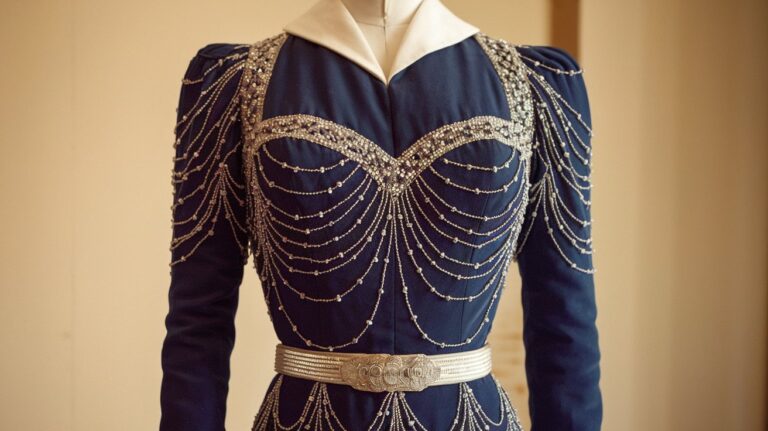
For special occasions, 1940s evening wear among black women showcased creativity and elegance within fabric constraints. Dresses featured draped details, strategic gathering, and innovative use of trimmings to create glamorous looks. Popular choices included wrap-style dresses with dramatic shoulders, fitted bodices with flowing skirts, and sophisticated separates that could be mixed and matched for various occasions throughout the social calendar.
Wartime Fashion Adaptations and Creativity
The Make Do and Mend philosophy significantly influenced African American women’s fashion choices during the 1940s. With fabric rationing in effect, black women became masters of creative adaptation, transforming older garments into fashionable new pieces through skillful alterations, creative dyeing techniques, and innovative embellishments. This resourcefulness led to unique styling approaches that maximized wardrobe versatility while maintaining high fashion standards.
Rationing restrictions limited fabric usage to specific yardages per garment, forcing designers and home sewers to create clever design solutions. Black women excelled at this challenge, developing techniques to create the illusion of luxury through strategic color blocking, creative use of contrasting materials, and innovative pattern placement that made simple garments appear more elaborate and expensive than their actual construction costs.
Accessories and Styling Details
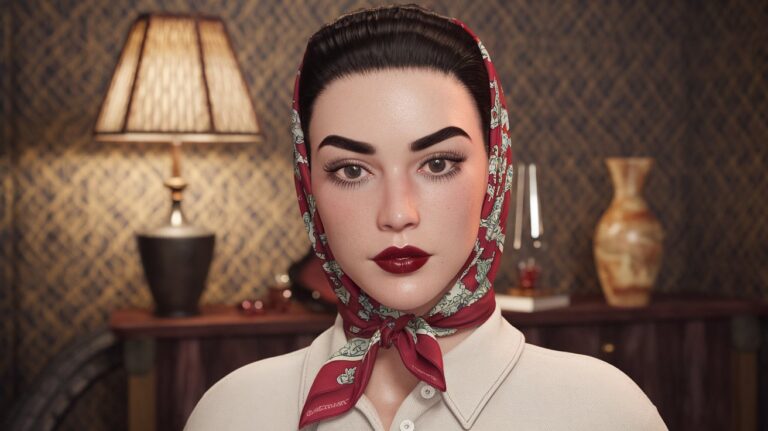
1940s accessories played crucial roles in completing black women’s fashion looks, with hats, gloves, and handbags serving both practical and aesthetic purposes. Turbans and decorative head wraps became popular alternatives to traditional hats, offering affordable style options that could be created from fabric scraps or repurposed materials. These head coverings often featured bold patterns or bright colors that added visual interest to otherwise subdued wartime outfits.
Jewelry choices reflected both economic constraints and personal style preferences, with costume jewelry gaining popularity as affordable alternatives to precious metals and stones. Black women embraced chunky brooches, decorative clips, and statement earrings that added glamour to simple garments. Pearl accessories, whether genuine or imitation, provided classic elegance that complemented the decade’s sophisticated aesthetic and remained appropriate for various social settings.
Footwear and Hosiery
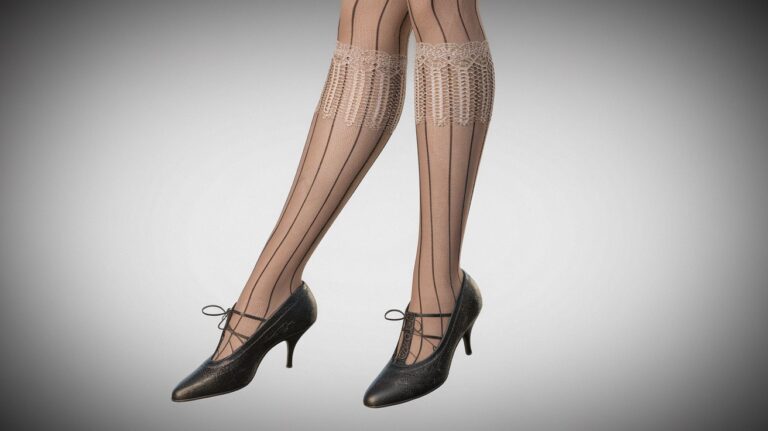
1940s shoes for black women emphasized practicality and durability, with oxford-style lace-ups, sturdy pumps, and practical loafers dominating everyday wear. Due to leather rationing, many shoes featured cork soles, fabric uppers, or creative combinations of materials. Hosiery became precious commodities, leading to innovative solutions like leg makeup or drawn-on seam lines to simulate stockings when genuine hosiery was unavailable or too expensive.
Hair Accessories and Styling
Hair accessories became essential elements of 1940s black women’s styling, with decorative combs, clips, and ribbons providing affordable ways to update hairstyles. Victory rolls and pin curls dominated the decade’s hair trends, with black women adapting these styles to work with their natural hair textures through creative use of styling products, protective techniques, and innovative pinning methods that achieved the desired silhouettes while maintaining hair health.
Color Palettes and Fabric Choices
The 1940s color palette for black women’s fashion featured practical yet sophisticated choices that reflected both wartime limitations and personal preferences. Navy blue, deep browns, forest greens, and burgundy dominated everyday wear, providing versatile base colors that could be accessorized in multiple ways. These darker shades proved practical for work environments while offering timeless elegance that transcended seasonal trends and economic constraints.
Fabric selections during the 1940s reflected both availability and practicality, with wool, cotton, and rayon comprising the majority of garment construction materials. Black women became experts at working with these fabrics, understanding their unique properties and developing techniques to achieve desired silhouettes despite material limitations. Creative pattern mixing and texture combinations allowed for visual interest without requiring expensive or scarce decorative elements.
Influence of African American Culture on 1940s Fashion
Cultural influences significantly shaped how black women interpreted and adapted mainstream 1940s fashion trends to reflect their personal identities and community connections. Jazz culture, church fashion traditions, and social club affiliations all contributed to distinctive styling choices that honored cultural heritage while embracing contemporary trends. These influences created unique fashion expressions that distinguished African American women’s style from mainstream fashion magazines and advertisements of the era.
The Harlem Renaissance legacy continued to influence black women’s fashion choices throughout the 1940s, with emphasis on sophisticated elegance and artistic expression through clothing choices. This cultural foundation encouraged creative approaches to fashion that celebrated individuality while maintaining appropriate social presentation standards, resulting in memorable looks that combined traditional values with modern style innovations.
Regional Variations Across the United States
Geographic differences significantly influenced how black women interpreted 1940s fashion trends across various regions of the United States. Southern styles often emphasized traditional feminine elements with practical adaptations for warm climates, while Northern urban centers embraced more contemporary trends influenced by industrial work environments and cosmopolitan social scenes. These regional variations created diverse expressions of 1940s fashion that reflected local customs, climate requirements, and economic opportunities.
West Coast influences brought Hollywood glamour elements into black women’s fashion choices, with movie star inspirations adapted for everyday wear through creative styling and accessible alternatives. Meanwhile, Midwest practicality emphasized durable construction and versatile pieces that could withstand harsh weather conditions while maintaining stylish appearances throughout extended wear periods.
Modern Revival and Contemporary Inspiration
Contemporary fashion enthusiasts continue to draw inspiration from 1940s black women’s style, adapting vintage elements for modern wardrobes through updated fabrics, contemporary fits, and accessible construction techniques. Today’s revival focuses on the decade’s emphasis on tailoring, creative accessorizing, and versatile pieces that transition seamlessly between different occasions and settings. Modern interpretations honor the original aesthetic while incorporating current comfort and practicality standards.
The vintage fashion movement in 2024-2025 has renewed interest in authentic 1940s pieces, with collectors and fashion historians documenting the innovative techniques and styling choices pioneered by African American women during this transformative decade. This contemporary appreciation acknowledges the creativity and resilience that characterized black women’s fashion during wartime restrictions while celebrating the timeless elegance that continues to inspire modern style choices across diverse demographics.
Related video about 1940s black women’s fashion
This video complements the article information with a practical visual demonstration.
Key Questions and Answers
What were the most popular dress styles for black women in the 1940s?
The most popular 1940s dress styles for black women included A-line silhouettes with defined waistlines, shirtwaist dresses for daywear, and wrap-style dresses for evening. These styles emphasized modest hemlines just below the knee, practical elements like patch pockets, and creative details that maximized style within wartime fabric restrictions while maintaining feminine elegance and professional appropriateness.
How did World War II rationing affect black women’s fashion choices?
Wartime rationing significantly impacted black women’s fashion by limiting fabric yardage per garment and restricting access to certain materials. This led to increased creativity in garment construction, innovative alteration techniques, and emphasis on versatile pieces that could be styled multiple ways. African American women excelled at the ‘Make Do and Mend’ philosophy, creating elegant looks through resourceful styling and careful wardrobe planning.
What accessories were essential for 1940s black women’s fashion?
Essential 1940s accessories for black women included practical yet stylish hats or turbans, gloves for formal occasions, structured handbags, and costume jewelry like brooches and pearl accessories. Head scarves and decorative hair clips provided affordable styling options, while sturdy shoes with practical features dominated footwear choices. These accessories completed outfits while working within wartime economic constraints and social expectations.
What colors and fabrics were most common in 1940s black women’s clothing?
The 1940s color palette for black women featured practical shades like navy blue, deep brown, forest green, and burgundy for everyday wear, with occasional bright accents through accessories. Common fabrics included wool, cotton, and rayon due to availability and affordability. These choices reflected both wartime limitations and preference for versatile, long-lasting pieces that could be dressed up or down for various occasions.
How can modern women incorporate 1940s black women’s fashion into today’s wardrobe?
Modern women can incorporate 1940s black women’s fashion through A-line dresses with defined waistlines, tailored separates, vintage-inspired accessories like brooches and structured handbags, and classic color palettes of navy, brown, and deep jewel tones. Focus on quality tailoring, modest hemlines, and versatile pieces that transition between occasions, honoring the decade’s emphasis on elegant practicality and creative styling within contemporary fashion frameworks.
| Fashion Element | 1940s Characteristics | Cultural Impact |
|---|---|---|
| Dress Silhouettes | A-line shapes, defined waists, modest hemlines | Established timeless elegance standards |
| Wartime Adaptations | Creative alterations, fabric conservation, versatile pieces | Demonstrated resourcefulness and innovation |
| Accessories | Practical hats, costume jewelry, structured handbags | Completed sophisticated looks affordably |
| Color Palettes | Navy, brown, green, burgundy base colors | Created versatile, professional wardrobe foundations |