1920s Hairstyles for Short Hair: 20+ Iconic Flapper Looks
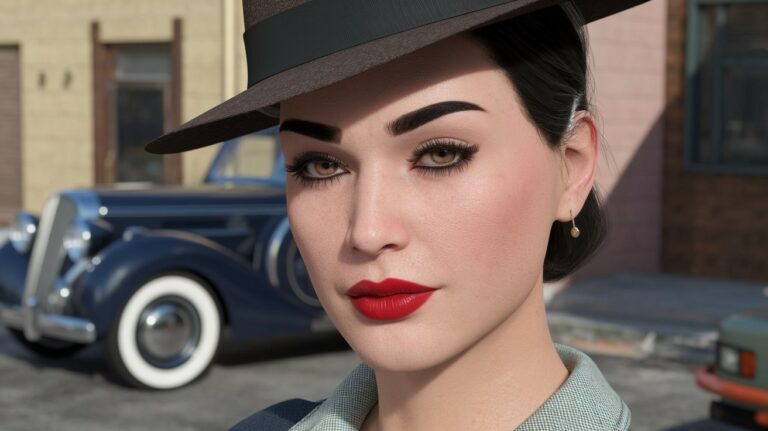
The 1920s hairstyles for short hair revolutionized women’s fashion and represented a bold departure from Victorian-era long locks. These iconic looks, from finger waves to bob cuts, defined the flapper era and continue to inspire modern hairstyling. Whether you’re recreating a vintage look or seeking timeless elegance, mastering these classic 1920s short hairstyles opens a world of sophisticated styling possibilities.
Essential 1920s Short Hair Characteristics
Authentic 1920s hairstyles for short hair shared distinct characteristics that defined the decade’s rebellious spirit. The typical length fell between the ears and chin, representing a dramatic shift from previous decades when long hair symbolized femininity. Short hair in the 1920s featured sleek, smooth textures achieved through Marcel waving techniques and pomades.
The silhouette emphasized geometric shapes with sharp lines and defined waves. Hair was typically parted deeply on one side, creating asymmetrical styling that complemented the angular fashion of the era. Flapper hairstyles incorporated finger waves, pin curls, and sophisticated updos that worked perfectly with the decade’s signature headbands and hair accessories. These styles required minimal volume at the crown, instead focusing on controlled waves and smooth finishes that laid close to the head.
Popular 1920s Bob Variations
The 1920s bob hairstyle became the decade’s most revolutionary cut, with several distinct variations that suited different face shapes and personal preferences. Each style maintained the characteristic short length while offering unique styling possibilities for the modern woman seeking authentic vintage appeal.
The Classic Dutch Boy Bob
The Dutch Boy bob featured blunt-cut edges that created a sleek, geometric appearance. This 1920s short haircut typically ended at jawline length with minimal layering. The hair was cut in a perfect circle around the head, creating a bowl-like silhouette that emphasized facial features. Styling required smoothing products to achieve the characteristic shine and control that made this look so striking during the Jazz Age.
The Sophisticated Shingle Bob
The shingle bob incorporated graduated layers that resembled overlapping roof shingles, particularly visible at the nape of the neck. This 1920s hairstyle for short hair created texture through strategic cutting techniques while maintaining the era’s sleek aesthetic. The layers were meticulously blended to create a tapered effect that hugged the head’s natural shape, making it an excellent choice for women with fine to medium hair density.
Mastering Finger Waves and Marcel Techniques
Finger waves represented the pinnacle of 1920s hairstyling artistry, creating elegant S-shaped curves that followed the head’s natural contours. This technique required precise sectioning and careful molding of damp hair using fingers and a fine-tooth comb. The waves were typically arranged in parallel lines, creating a sophisticated pattern that became synonymous with flapper era hairstyles.
The Marcel wave technique utilized heated curling irons to create deeper, more defined waves than finger waving alone could achieve. Professional stylists in the 1920s mastered this method to create lasting waves that maintained their shape throughout elaborate evening events. Modern recreations of these vintage 1920s hairstyles often combine both techniques, using Marcel irons for foundation waves and finger waving for final refinement and control.
Step-by-Step Styling Guide for 1920s Looks
Creating authentic 1920s hairstyles for short hair requires specific preparation and styling techniques that differ significantly from modern approaches. Begin with clean, slightly damp hair and apply a period-appropriate pomade or modern equivalent that provides hold without creating stiffness.
Preparation and Product Application
Start styling 1920s short hairstyles by sectioning hair into manageable portions using metal clips. Apply styling product evenly from roots to ends, ensuring complete coverage without oversaturation. The hair should feel tacky but not wet, providing the perfect foundation for wave formation. Use a rat-tail comb to create your deep side part, positioning it approximately 2-3 inches from the center of your head for authentic asymmetry.
Creating Perfect Finger Waves
Form finger waves by placing your index finger along the intended wave line while using a fine-tooth comb to push hair in the opposite direction. Create the characteristic S-curve by alternating the direction of each wave, ensuring consistent spacing between curves. Hold each wave in place for 30-60 seconds before moving to the next section. This methodical approach ensures uniform 1920s wave patterns that maintain their shape once dry.
Evening and Special Occasion Styles
Elegant 1920s evening hairstyles elevated daytime looks through intricate styling and sophisticated accessories. These formal arrangements often incorporated multiple techniques, combining finger waves with pin curls and strategic use of decorative elements that complemented the era’s glamorous fashion.
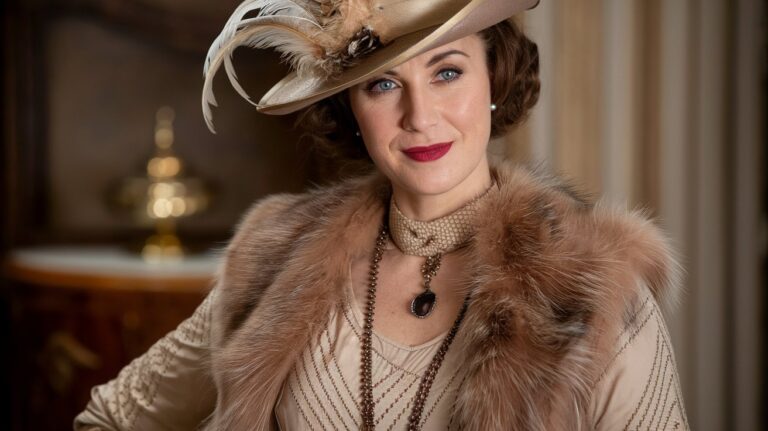
Flapper party hairstyles frequently featured elaborate headbands, jeweled pins, and feathers that transformed simple bobs into stunning evening looks. The key to authentic formal styling lay in maintaining the decade’s characteristic sleekness while adding visual interest through texture and accessories. Popular evening variations included swept-back styles that showcased dangling earrings and low chignons that accommodated decorative combs and barrettes.
Modern Adaptations of 1920s Styles
Contemporary interpretations of 1920s hairstyles for short hair blend vintage authenticity with modern practicality, creating wearable looks suitable for today’s lifestyle. Modern stylists adapt these classic techniques using updated products and tools that achieve similar results with improved longevity and hair health considerations.
Current vintage-inspired short hairstyles often incorporate subtle layering that wasn’t typical in the original 1920s cuts, providing better movement and easier maintenance. Professional colorists can enhance these styles with period-appropriate hues like deep brunettes, platinum blondes, and rich auburn shades that complement the geometric lines of authentic 1920s haircuts. These modern adaptations maintain the essential character of flapper-era styling while accommodating contemporary hair care practices and lifestyle demands.
Tools and Products for Authentic Results
Achieving professional-quality 1920s hairstyles for short hair requires specific tools that replicate period techniques while ensuring hair health and longevity. Essential equipment includes fine-tooth combs, metal sectioning clips, and Marcel irons or modern equivalents that create authentic wave patterns.
Essential Styling Tools
Professional 1920s hairstyling tools include rat-tail combs for precise parting, wide-tooth combs for initial detangling, and setting clips that hold waves in place during drying. Marcel irons with various barrel sizes allow for different wave depths, while modern curling irons with adjustable temperature settings provide safer alternatives. A quality hair dryer with diffuser attachment helps set styles without disrupting carefully formed wave patterns.
Period-Appropriate Products
Authentic 1920s hair products emphasized strong hold and high shine, characteristics that modern formulations can replicate with improved ingredients. Look for pomades with beeswax bases, setting lotions that provide flexible hold, and finishing sprays that enhance shine without stiffness. Avoid modern mousses and gels that create texture inconsistent with the era’s sleek aesthetic, instead choosing products that smooth hair cuticles and provide lasting control for your vintage hairstyling efforts.
Hair Accessories and Embellishments
1920s hair accessories played a crucial role in completing authentic period looks, transforming simple cuts into sophisticated styles appropriate for various occasions. These decorative elements ranged from practical items like headbands to elaborate pieces featuring jewels, feathers, and metallic details that reflected the decade’s love of glamour and ornamentation.
Popular accessories included beaded headbands that sat across the forehead, decorative combs positioned at strategic points to highlight wave patterns, and jeweled barrettes that secured sections while adding sparkle. Flapper headpieces often incorporated Art Deco motifs, featuring geometric patterns in materials like rhinestones, pearls, and colored glass that complemented the era’s distinctive fashion aesthetic. These accessories were positioned to enhance rather than overwhelm the carefully crafted 1920s short hairstyles.
Troubleshooting Common Styling Challenges
Many enthusiasts encounter specific difficulties when recreating 1920s hairstyles for short hair, particularly with wave formation and longevity. Understanding these common issues and their solutions ensures successful styling results that capture authentic period aesthetics while working with modern hair types and conditions.
Wave retention problems often stem from using incorrect products or applying them to hair that’s too wet or too dry. Finger wave techniques require hair at precisely the right moisture level – slightly damp but not saturated. If waves fall out quickly, try using stronger-hold products or allowing more drying time between wave formation and final styling. For those with naturally straight hair, pre-texturizing with appropriate products and using setting techniques can dramatically improve results and extend the life of your vintage 1920s hairstyle.
Related video about 1920s hairstyles for short hair
This video complements the article information with a practical visual demonstration.
Your questions answered
How long should hair be for 1920s finger waves?
Hair should be 3-6 inches long for proper finger wave formation. This length allows for adequate wave depth while maintaining the characteristic close-to-head silhouette. Shorter lengths may not hold waves effectively, while longer hair creates proportions inconsistent with authentic 1920s styling.
What products were actually used in the 1920s for hairstyling?
Original 1920s styling relied on brilliantine, pomades made from petroleum jelly and oils, and setting lotions containing alcohol and resins. These products provided the high shine and strong hold characteristic of the era. Modern equivalents include beeswax-based pomades and alcohol-free setting lotions that achieve similar results safely.
Can curly hair be styled into 1920s looks?
Yes, naturally curly hair can create beautiful 1920s styles with proper preparation. Use smoothing products and blow-dry with a paddle brush to reduce volume and create sleeker texture. Focus on controlling the curl pattern rather than eliminating it entirely, as this creates more authentic-looking waves with better longevity.
How often should you wash hair when wearing 1920s styles?
Wash hair every 3-4 days when regularly wearing 1920s hairstyles. The pomades and styling products used for these looks actually protect hair from daily washing, which can strip natural oils. Between washes, refresh styles with light misting of setting spray and gentle finger combing to maintain wave patterns.
What’s the difference between Marcel waves and finger waves?
Marcel waves use heated curling irons to create deeper, more defined wave patterns, while finger waves rely on manual manipulation with fingers and combs. Marcel waves typically last longer and have more dramatic curves, making them ideal for special occasions. Finger waves offer more subtle elegance and are easier to achieve at home with practice.
Are 1920s hairstyles suitable for professional environments?
Modified 1920s styles work well in professional settings when executed with restraint. Focus on sleek bobs with subtle waves rather than dramatic finger waves. Use modern products that provide hold without excessive shine, and choose minimal accessories that complement rather than dominate your overall professional appearance.
| Style Type | Key Characteristics | Best For |
|---|---|---|
| Finger Waves | S-shaped curves, sleek finish, close to head | Formal events, vintage photography |
| Dutch Boy Bob | Blunt cut, geometric shape, minimal layers | Daily wear, professional settings |
| Shingle Bob | Graduated layers, textured nape, tapered | Fine hair, casual elegance |
| Marcel Waves | Deep waves, high shine, dramatic curves | Special occasions, theatrical looks |