1920s Color Palette Fashion: Complete Guide to Jazz Age Style
The 1920s color palette fashion revolutionized women’s style with bold jewel tones, sophisticated neutrals, and dramatic contrasts that defined the Jazz Age. From the emerald greens and sapphire blues that adorned beaded flapper dresses to the dusty roses and champagne hues of elegant evening wear, these colors captured the era’s spirit of rebellion and glamour. Understanding these authentic color combinations allows modern fashion enthusiasts to recreate the timeless elegance of 1920s style with historical accuracy.
Essential Colors of 1920s Women’s Fashion
The 1920s fashion color palette was dominated by rich, luxurious hues that reflected the decade’s prosperity and cultural revolution. Deep jewel tones like emerald green, sapphire blue, and ruby red became staples of evening wear, while softer shades such as dusty rose, champagne, and pearl gray graced daytime ensembles. These colors were specifically chosen to complement the new artificial lighting in jazz clubs and ballrooms, creating dramatic effects under electric lights that had recently become widespread in American cities.
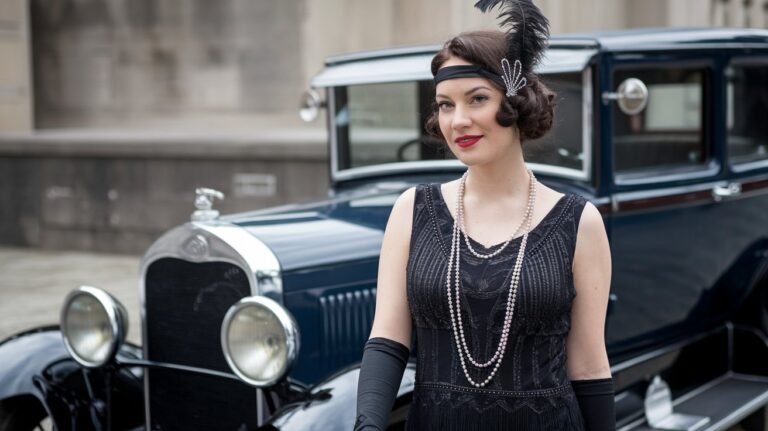
Black became increasingly sophisticated during this period, moving beyond its traditional association with mourning wear to become a symbol of modern elegance. The famous little black dress emerged as a wardrobe essential, often accented with metallic gold or silver details. Cream and ivory also gained popularity as alternatives to stark white, offering a softer, more refined appearance that complemented the era’s relaxed social attitudes and changing beauty standards.
Jewel Tones and Rich Hues
Emerald green dominated 1920s evening wear, appearing in everything from beaded flapper dresses to velvet coats. This vibrant color was particularly favored because it photographed beautifully in the black and white films of the era while maintaining its dramatic impact under artificial lighting. Sapphire blue and deep purple followed closely, often combined with metallic threads in intricate beadwork that caught and reflected light as women danced the Charleston or Fox Trot.
Sophisticated Neutrals and Pastels
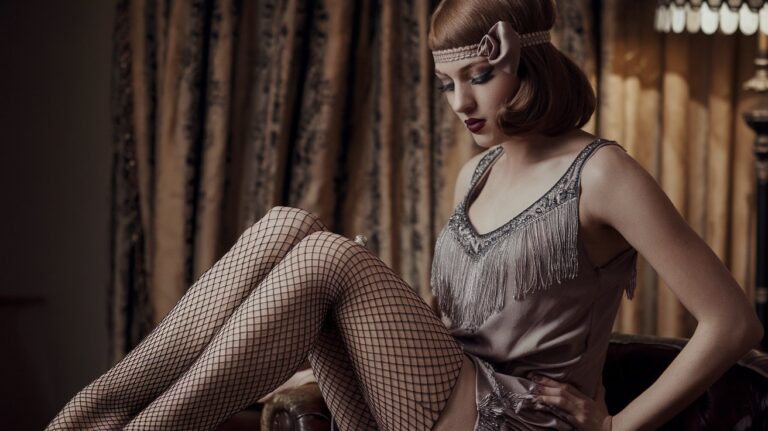
Dusty rose and champagne became signature colors of 1920s daytime fashion, appearing in drop-waist dresses and tailored suits that reflected women’s newfound independence. These soft, muted tones complemented the era’s makeup trends, particularly the pale complexions and dark-rimmed eyes that defined the decade’s beauty ideal. Pearl gray and dove blue provided elegant alternatives for professional wear as more women entered the workforce.
Color Combinations That Defined the Jazz Age
The most iconic 1920s color combinations featured dramatic contrasts and unexpected pairings that broke traditional fashion rules. Black and gold became synonymous with Art Deco glamour, appearing in geometric patterns on everything from evening bags to shoes. This combination was particularly popular for accessories and trim work, creating striking visual effects that complemented the era’s love for geometric designs and modern art influences.
Navy blue paired with cream created a nautical-inspired look that reflected the decade’s fascination with leisure activities and travel. This combination was especially popular for sportswear and casual ensembles, as women began participating in previously male-dominated activities like golf and tennis. The contrast between the deep blue and soft cream provided a sophisticated yet approachable aesthetic that worked for both day and evening occasions.
Art Deco Inspired Pairings
The influence of Art Deco design created bold geometric color combinations that featured metallic accents with rich base colors. Silver and black became a hallmark of evening wear, while gold paired with deep burgundy or forest green created luxurious effects. These combinations often appeared in accessories, jewelry, and decorative elements rather than entire garments, allowing women to incorporate the trend without overwhelming their silhouettes.
Seasonal Color Transitions
Spring and summer 1920s fashion palettes featured lighter interpretations of the era’s signature colors. Pale pink replaced dusty rose, while soft lavender and mint green provided fresh alternatives to deeper jewel tones. These seasonal variations maintained the decade’s sophisticated aesthetic while adapting to warmer weather and outdoor social activities that became increasingly popular during the Roaring Twenties.
Makeup Colors That Completed 1920s Looks
The 1920s makeup color palette was carefully coordinated with fashion colors to create a cohesive aesthetic. Deep red lipstick in shades like cherry and burgundy complemented the era’s dramatic fashion colors, while kohl-rimmed eyes in black and dark brown created the characteristic smoky look. Rouge was applied in circular patterns on the apples of the cheeks, typically in shades of coral or deep pink that harmonized with the overall color scheme.
Nail polish, which became widely available during the 1920s, featured colors that matched or complemented lipstick shades. Deep red lacquers were the most popular choice, often applied only to the center of the nail in the distinctive half-moon style. This coordination between makeup and fashion colors created a polished, intentional look that epitomized the decade’s attention to detail and style consciousness.
Fabric Choices and Color Applications
The choice of fabric significantly influenced how 1920s colors appeared in finished garments. Silk charmeuse and crepe de chine were preferred for their ability to hold deep, saturated colors while draping elegantly over the straight, boyish silhouettes of the era. These fabrics allowed jewel tones to appear rich and luxurious, while their natural sheen enhanced the effect of metallic threads and beadwork commonly used for decoration.
Velvet became increasingly popular for evening wear because it absorbed and reflected light in ways that made colors appear deeper and more dramatic. Emerald velvet and deep purple velvet were particularly sought after for formal occasions, often trimmed with contrasting silk or metallic elements. Cotton and wool fabrics used for daytime wear were typically dyed in lighter, more practical shades that could withstand frequent washing and wear.
Beadwork and Embellishment Colors
The extensive beadwork that characterized 1920s evening wear featured carefully planned color schemes that created movement and visual interest. Gold and silver beads were most common, but colored glass beads in emerald, sapphire, and ruby tones added depth and complexity to garments. These embellishments were often arranged in geometric patterns that reflected Art Deco design principles while enhancing the garment’s overall color palette.
Textile Innovation and Color Technology
Advances in synthetic dyes during the 1920s allowed for more vibrant and long-lasting colors than had been previously available. This technological progress enabled the bold jewel tones that became synonymous with the decade, as manufacturers could achieve consistent, saturated colors that maintained their intensity through wear and cleaning. The development of colorfast dyes also made it practical to use darker colors in everyday clothing.
Accessories and Their Color Coordination
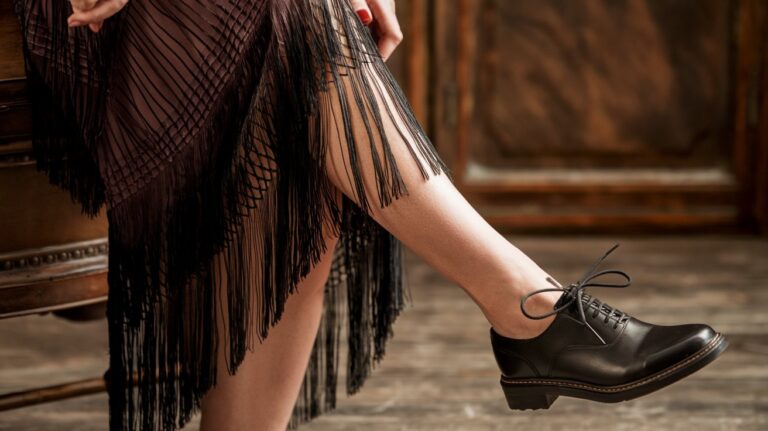
1920s accessories played a crucial role in completing the decade’s color aesthetic. Handbags, shoes, and jewelry were carefully selected to either match or provide strategic contrast to outfit colors. Black patent leather shoes and handbags became wardrobe staples that worked with virtually any color combination, while metallic accessories in gold and silver added glamour to evening ensembles.
Jewelry during this period featured both precious and costume pieces in colors that complemented the era’s fashion palette. Long pearl necklaces in cream and ivory were essential accessories that worked with both light and dark color schemes. Colored glass jewelry in emerald, amber, and ruby tones provided affordable alternatives to precious stones while maintaining the decade’s love for rich, saturated colors.
Hat Colors and Styling
Hats remained essential accessories throughout the 1920s, with colors carefully chosen to complement specific outfits and occasions. Black cloche hats were the most versatile choice, working with virtually any color palette while maintaining the decade’s characteristic sleek silhouette. Colored hats in navy, brown, and gray provided alternatives that could be coordinated with seasonal wardrobes.
Gloves and Hosiery Color Coordination
Long gloves for evening wear typically appeared in white, black, or colors that matched the gown, creating a seamless, elegant appearance. Hosiery in nude, black, and gray tones was selected to complement shoe colors and overall outfit coordination. The attention to these details demonstrated the sophisticated color consciousness that characterized 1920s fashion sensibility.
Regional Variations in 1920s Color Preferences
Different regions of the United States showed distinct preferences within the broader 1920s color palette. Urban areas like New York and Chicago embraced the boldest jewel tones and dramatic contrasts, reflecting the fast-paced, modern lifestyle of city dwellers. These metropolitan fashion centers led trends that eventually spread to smaller communities, but often in modified, more conservative versions that suited local tastes and social expectations.
The American South maintained some traditional preferences for lighter colors and more subtle combinations, though younger women increasingly adopted the decade’s signature bold hues. Western states showed particular enthusiasm for earth tones and natural colors that reflected the region’s landscape and outdoor lifestyle, often incorporating these elements into the decade’s fashionable silhouettes and styling.
Modern Applications of 1920s Color Palettes
Contemporary fashion designers frequently draw inspiration from authentic 1920s colors to create collections that capture the era’s glamour while appealing to modern sensibilities. The combination of emerald green with gold accents remains particularly popular for formal wear, while the decade’s sophisticated neutrals continue to influence contemporary business and casual fashion. These historical color palettes provide a foundation for creating outfits with timeless elegance and visual impact.
Interior designers also reference 1920s color schemes when creating Art Deco-inspired spaces, using the era’s characteristic combinations of black, gold, and jewel tones to achieve authentic period aesthetics. The enduring appeal of these color combinations demonstrates their fundamental harmony and sophisticated balance, making them as relevant today as they were nearly a century ago.
Related video about 1920s color palette fashion
This video complements the article information with a practical visual demonstration.
What you should know
What were the most popular colors in 1920s fashion?
The most popular colors included emerald green, sapphire blue, ruby red, black, dusty rose, champagne, and pearl gray. Jewel tones dominated evening wear while sophisticated neutrals were preferred for daytime ensembles. Metallic gold and silver served as accent colors throughout the decade.
How did 1920s color choices differ from previous decades?
1920s colors were bolder and more dramatic than previous decades, featuring rich jewel tones and sophisticated neutrals rather than the pastels and florals of the Victorian era. The introduction of electric lighting influenced color choices, as deeper hues appeared more striking under artificial illumination in jazz clubs and ballrooms.
What color combinations were most characteristic of the Jazz Age?
Black and gold became the most iconic combination, symbolizing Art Deco glamour. Navy blue with cream created nautical-inspired looks, while emerald green paired with silver provided dramatic evening wear options. These combinations reflected the era’s love for geometric patterns and modern design principles.
How can I incorporate authentic 1920s colors into modern outfits?
Use jewel tones like emerald green or sapphire blue as statement pieces, pair black with metallic gold accessories, and choose sophisticated neutrals like dusty rose or champagne for base colors. Focus on rich, saturated hues rather than bright or neon shades to maintain the decade’s elegant aesthetic.
What role did makeup colors play in 1920s fashion?
Makeup colors were carefully coordinated with fashion palettes, featuring deep red lipstick, kohl-rimmed eyes in black or dark brown, and coral or pink rouge. Nail polish in matching red shades completed the look, creating a cohesive color story from head to toe.
Did 1920s color preferences vary by region in the United States?
Yes, urban areas like New York embraced the boldest jewel tones and dramatic contrasts, while the South maintained preferences for lighter colors. Western states showed enthusiasm for earth tones that reflected the regional landscape, often incorporating these into fashionable 1920s silhouettes.
| Color Category | Popular Shades | Fashion Application |
|---|---|---|
| Jewel Tones | Emerald green, sapphire blue, ruby red | Evening wear and formal occasions |
| Sophisticated Neutrals | Dusty rose, champagne, pearl gray | Daytime ensembles and professional wear |
| Classic Basics | Black, cream, navy blue | Versatile wardrobe foundations |
| Metallic Accents | Gold, silver, bronze | Accessories and embellishments |