1920s Slang for Woman: Complete Guide to Jazz Age Terms
The 1920s slang for woman reflects the revolutionary spirit of the Jazz Age when traditional gender roles transformed dramatically. This decade introduced iconic terms like flapper, doll, jane, and tomato that captured the essence of modern femininity. Understanding these expressions provides insight into how American society viewed women during this pivotal era of liberation and social change.
Popular 1920s Terms for Women
The Jazz Age vocabulary featured numerous creative expressions for describing women, each carrying distinct connotations and social implications. These terms ranged from endearing nicknames to descriptive phrases that captured the era’s changing feminine ideals. The language of the 1920s reflected society’s fascination with modern women who challenged conventional expectations and embraced newfound freedoms in fashion, behavior, and lifestyle choices.
Most 1920s slang for woman originated from urban centers like New York, Chicago, and Los Angeles, spreading through popular culture, jazz music, and Hollywood films. These expressions became integral to the decade’s linguistic identity, representing the generational divide between traditional Victorian values and emerging modern attitudes toward femininity and social independence.
Flapper: The Iconic 1920s Woman
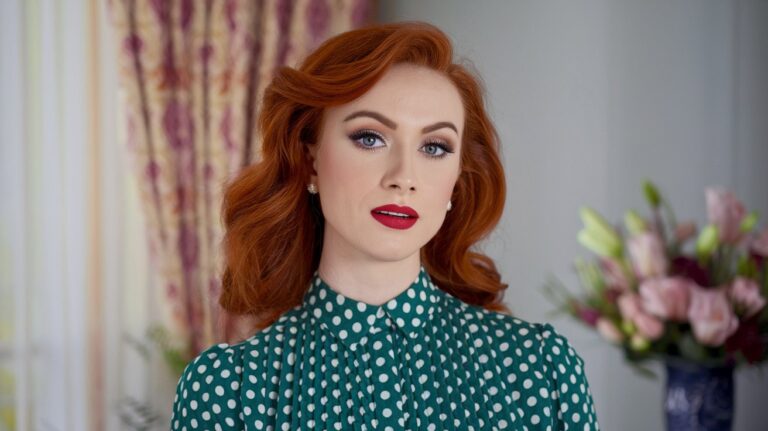
The term flapper became the most recognizable 1920s slang for describing the modern American woman. Originally referring to young birds learning to fly, it evolved to represent women who challenged social norms through short skirts, bobbed hair, smoking, drinking, and dancing. Flappers embodied the spirit of female liberation, rejecting restrictive Victorian customs in favor of personal freedom and self-expression during the Roaring Twenties.
Doll and Baby: Terms of Endearment
The words doll and baby served as popular affectionate terms for women during the 1920s, often used by men to express romantic interest or admiration. These expressions conveyed both attraction and a sense of protective care, reflecting the era’s complex attitudes toward feminine beauty and vulnerability. Jazz musicians and performers frequently used these terms in song lyrics and everyday conversation throughout the decade.
Descriptive 1920s Female Slang Terms
Beyond basic terminology, the 1920s developed elaborate slang to describe various types of women based on appearance, behavior, and social status. These descriptive terms painted vivid pictures of feminine archetypes that dominated popular culture and social consciousness. The creative vocabulary reflected America’s growing fascination with categorizing and understanding the rapidly evolving role of women in modern society.
Many descriptive terms for women in the 1920s carried both positive and negative connotations, revealing the era’s ambivalent attitudes toward female empowerment. While some expressions celebrated women’s newfound independence and vitality, others reflected lingering conservative concerns about changing gender roles and moral standards during this transformative decade.
Jane and Dame: Common References
The terms jane and dame functioned as generic references to women in 1920s slang, similar to how ‘guy’ referred to men. Jane typically described an ordinary or average woman, while dame carried slightly more sophisticated connotations. These expressions became standard vocabulary in jazz clubs, speakeasies, and urban social circles, representing the casual and informal communication style that characterized the decade’s youth culture.
Hot Numbers and Knockout Beauties
Expressions like hot number, knockout, and looker described particularly attractive or captivating women during the Jazz Age. These terms emphasized physical beauty and sex appeal, reflecting the era’s more open attitudes toward sensuality and romantic attraction. Such language became common in Hollywood publicity, jazz lyrics, and casual conversation among young Americans who embraced more liberal social attitudes.
Behavioral 1920s Slang for Women
The behavioral slang of the 1920s categorized women based on their actions, attitudes, and social conduct rather than just appearance. These terms reflected society’s attempt to understand and classify the diverse ways women expressed their newfound freedom during the post-World War I era. The vocabulary ranged from admiring descriptions of independent women to cautionary terms for those considered too rebellious or unconventional.
Such behavioral terminology often revealed the tension between celebrating female liberation and maintaining traditional moral standards. The slang terms used to describe women’s actions and attitudes provided insight into how different segments of American society viewed the changing roles and expectations for women during this revolutionary decade.
Vamp and Sheik: Seductive Women
The term vamp described women who used their sexuality and charm to manipulate men, while sheik (typically masculine) was sometimes applied to particularly alluring women. These expressions originated from popular films and novels, particularly those featuring stars like Theda Bara and Rudolph Valentino. The vocabulary reflected the era’s fascination with exotic sensuality and the power dynamics between men and women in romantic relationships.
Gold Digger and Social Climber Terms
Terms like gold digger, meal ticket, and sugar baby described women who pursued relationships for financial gain rather than love. These expressions revealed societal concerns about mercenary attitudes toward romance and marriage during an era of increasing materialism. The slang reflected changing economic dynamics as more women gained financial independence while others sought security through strategic relationships.
Regional Variations in 1920s Female Slang
Different regions of the United States developed distinct variations of 1920s slang for women, influenced by local culture, demographics, and social attitudes. Urban centers like New York and Chicago created sophisticated terminology that spread through jazz clubs and entertainment venues, while rural areas maintained more traditional expressions. The regional diversity of female slang terms illustrated how the Jazz Age affected different communities in varying degrees and ways.
The geographic spread of slang terms often followed patterns of cultural influence, with expressions originating in major cities gradually reaching smaller towns through radio broadcasts, films, and traveling entertainers. Some regional variations persisted throughout the decade, while others achieved national popularity and became standard elements of American vernacular during the Roaring Twenties.
Social Class and 1920s Female Terminology
The social class implications of 1920s slang for women revealed significant distinctions between how different economic groups viewed and described femininity. Upper-class society maintained more refined terminology, while working-class communities embraced bolder and more direct expressions. The vocabulary differences reflected broader social hierarchies and cultural tensions during an era of rapid economic growth and changing class dynamics in American society.
Many class-specific terms for women carried implicit judgments about respectability, morality, and social appropriateness. The slang used in exclusive social clubs differed dramatically from language heard in working-class neighborhoods, speakeasies, and dance halls, illustrating how economic status influenced attitudes toward female behavior and social roles during the transformative 1920s decade.
Cultural Impact of 1920s Female Slang
The cultural impact of 1920s slang for women extended far beyond casual conversation, influencing literature, music, film, and popular culture for decades to come. These expressions captured the essence of a generation that challenged traditional gender roles and redefined feminine identity in American society. The terminology became embedded in the cultural memory of the Jazz Age, representing both the excitement and controversy of women’s liberation during this pivotal historical period.
The lasting influence of 1920s female slang continues to appear in contemporary media, literature, and historical representations of the era. These terms serve as linguistic artifacts that preserve the attitudes, values, and social dynamics of a transformative decade when American women gained voting rights, economic opportunities, and unprecedented social freedoms that fundamentally altered the nation’s cultural landscape.
Related video about 1920s slang for woman
This video complements the article information with a practical visual demonstration.
Everything you need to know about 1920s slang for woman
What was the most common 1920s slang term for woman?
Flapper was the most iconic and widely recognized 1920s slang term for women. It described the modern, liberated woman who challenged traditional social norms through fashion, behavior, and lifestyle choices. The term became synonymous with the spirit of female independence during the Jazz Age and remains the most memorable expression from that era.
Did 1920s slang for women vary by social class?
Yes, 1920s slang for women varied significantly by social class. Upper-class society used more refined terminology, while working-class communities embraced bolder, more direct expressions. The vocabulary differences reflected social hierarchies and cultural tensions, with terms used in exclusive clubs differing dramatically from language in working-class neighborhoods and speakeasies.
How did 1920s female slang reflect changing gender roles?
The 1920s slang for women reflected dramatic changes in gender roles by introducing terms that celebrated female independence, sexuality, and social freedom. Words like flapper, vamp, and hot number represented women who challenged Victorian restrictions, while the diverse vocabulary illustrated society’s complex attitudes toward evolving feminine identity and women’s liberation.
Which 1920s slang terms for women are still used today?
Several 1920s slang terms for women remain in contemporary use, including doll, baby, knockout, looker, and gold digger. These expressions have endured because they captured universal concepts about attraction, relationships, and female archetypes. While their usage has evolved, these terms continue to appear in modern conversation, literature, and popular culture references.
Where did most 1920s slang for women originate?
Most 1920s slang for women originated in urban centers like New York, Chicago, and Los Angeles, spreading through jazz clubs, speakeasies, and entertainment venues. The terms gained popularity through radio broadcasts, Hollywood films, and traveling performers, gradually reaching smaller towns and rural areas. Jazz culture and the entertainment industry were primary drivers of this linguistic innovation.
| Term Category | Popular Examples | Cultural Significance |
|---|---|---|
| General Terms | Flapper, Doll, Jane, Dame | Reflected changing feminine identity |
| Appearance-Based | Knockout, Looker, Hot Number | Emphasized physical beauty and attraction |
| Behavioral | Vamp, Gold Digger, Sheik | Categorized women by social conduct |
| Endearing | Baby, Sweetie, Sugar | Expressed romantic affection and care |