Makeup in the 1960s: Iconic Beauty Trends & Revolutionary Styles
The makeup in the 1960s represented a revolutionary departure from the conservative beauty standards of the 1950s. This transformative decade introduced bold, experimental looks that challenged traditional femininity and embraced youthful rebellion. From dramatic winged eyeliner to pale, mod lips, 1960s makeup became the foundation for modern beauty trends that continue to influence the industry today.
The Evolution of 1960s Makeup Trends
The 1960s makeup revolution began with a radical shift away from the heavily contoured faces and red lips of the previous decade. Young women embraced a more natural, youthful appearance that emphasized their eyes while downplaying other features. This transformation was influenced by cultural icons like Twiggy, who popularized the mod look with her dramatic lashes and pale complexion.
By mid-decade, makeup in the 1960s had evolved into distinct substyles that reflected the era’s social changes. The early 1960s maintained some conservative elements, while the late 1960s embraced psychedelic colors and artistic experimentation. This evolution mirrored the decade’s progression from traditional values to counterculture movements, making beauty a form of personal and political expression.
Early 1960s: The Refined Natural Look
The early 1960s established the foundation for the decade’s natural makeup aesthetic. Women began using lighter foundations and abandoned heavy contouring in favor of a fresh, dewy complexion. Jackie Kennedy epitomized this refined approach with her understated elegance and perfectly groomed appearance that influenced American beauty standards.
Mid-1960s: The Mod Movement Takes Hold
The mid-1960s witnessed the explosive popularity of mod makeup styles that originated in London’s fashion scene. This period introduced geometric shapes, bold graphic lines, and the iconic crease cut that extended beyond the natural eye shape. Young women embraced these avant-garde techniques as symbols of liberation and modernity.
Late 1960s: Psychedelic and Experimental Beauty
The late 1960s brought psychedelic makeup trends that incorporated vibrant colors, artistic designs, and unconventional applications. Face painting became popular at music festivals, while everyday wear featured bold color combinations and creative interpretations of traditional techniques that reflected the era’s spirit of experimentation.
Iconic Eye Makeup Techniques of the 1960s
1960s eye makeup became the decade’s most defining beauty element, with techniques that transformed the entire face’s appearance. The emphasis on eyes represented a shift toward youthful, doll-like features that contrasted sharply with the sophisticated eye looks of previous decades. These techniques required precision and creativity, making eye makeup an art form.
The most revolutionary aspect of eye makeup in the 1960s was its architectural approach to shape and color. Women learned to use makeup as a tool for creating entirely new eye shapes, often exaggerating their natural features through strategic placement of shadows, liners, and false lashes that created dramatic, unforgettable looks.
The Dramatic Winged Eyeliner Trend
The winged eyeliner technique became synonymous with 1960s glamour, extending far beyond the natural eye shape to create a cat-eye effect that appeared both sophisticated and playful. This technique required steady hands and careful planning, as the wings needed to complement each individual’s eye shape while maintaining symmetry.
False Eyelashes and Lower Lash Emphasis
False eyelashes in the 1960s reached unprecedented popularity, with both upper and lower lashes receiving equal attention. Women often drew individual lower lashes or applied small clusters of false lashes to create a doll-like appearance that complemented the decade’s youthful aesthetic and enlarged the overall eye area.
Crease Cutting and Geometric Shadows
The innovative crease cutting technique involved extending eyeshadow beyond the natural eye crease to create geometric shapes that defied conventional beauty rules. This artistic approach to eye makeup allowed for creative expression while maintaining the clean, architectural lines that defined mod fashion and beauty trends.
The Pale Lip Revolution
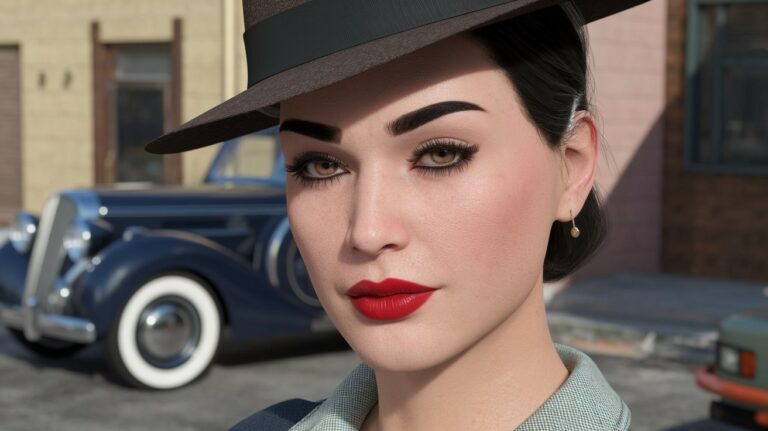
The pale lip trend of the 1960s marked a complete rejection of the bold red lips that had dominated previous decades. Women embraced nude, pink, and even white lip colors that created a stark contrast with their dramatically enhanced eyes. This revolutionary approach to lip color reflected the decade’s youth-obsessed culture and desire to appear fresh and innocent.
Lip makeup in the 1960s often involved completely covering natural lip color with foundation before applying pale shades or glosses. This technique created an almost ethereal appearance that complemented the era’s fashion trends and emphasized the wearer’s eyes as the focal point of their overall look.
Foundation and Complexion Trends
The foundation techniques of the 1960s prioritized creating a flawless, porcelain-like complexion that appeared naturally perfect rather than heavily made up. Women sought products that provided coverage while maintaining a fresh, dewy finish that suggested youth and health rather than artificial enhancement.
1960s complexion trends emphasized uniformity and smoothness, with many women using white or very pale foundations to achieve the coveted mod look. This approach often involved applying foundation to the lips and even the eyebrows to create a blank canvas for the decade’s experimental makeup techniques.
The Matte vs. Dewy Debate
Throughout the decade, foundation finishes in the 1960s varied between matte and dewy depending on the specific look being achieved. Early 1960s favored a more natural, slightly dewy finish, while the mod movement embraced matte, almost mask-like complexions that provided the perfect base for graphic makeup applications.
Color Matching and Undertones
The foundation color selection process in the 1960s often prioritized achieving a specific aesthetic over natural color matching. Many women chose foundations several shades lighter than their natural skin tone to achieve the pale, ethereal look that was considered fashionable and modern.
Influential Beauty Icons and Their Signature Looks
The beauty icons of the 1960s established makeup trends that defined the entire decade and continue to influence modern beauty standards. These women didn’t just wear makeup; they created signature looks that became cultural phenomena and inspired millions of women to experiment with their own appearance.
Each 1960s makeup icon brought something unique to the beauty landscape, from Twiggy’s doll-like features to Brigitte Bardot’s sultry French sophistication. Their influence extended beyond mere aesthetics, as they represented different aspects of the changing social and cultural landscape of the decade.
Twiggy: The Mod Movement Personified
Twiggy’s makeup style epitomized the mod movement with her dramatically enhanced eyes, pale lips, and geometric precision. Her signature look featured hand-drawn lower lashes, bold upper lid definition, and a complexion so pale it appeared almost ethereal, creating the template for 1960s youth culture beauty.
Edie Sedgwick: Avant-Garde Beauty Pioneer
Edie Sedgwick’s makeup approach pushed boundaries with her experimental use of silver eyeshadow, dramatic false lashes, and unconventional color combinations. Her collaboration with Andy Warhol influenced the decade’s artistic approach to beauty, making makeup a form of wearable art rather than mere enhancement.
Brigitte Bardot: European Sophistication
Brigitte Bardot’s beauty influence brought European sophistication to 1960s makeup trends, combining sultry eyes with natural-looking skin and nude lips. Her approach demonstrated that 1960s makeup could be both dramatic and effortlessly chic, influencing women who preferred a more mature aesthetic.
Color Palettes and Product Innovations
The color trends in 1960s makeup reflected the decade’s cultural shifts and technological advances in cosmetics manufacturing. Brands began offering previously unavailable shades like silver, white, and pastel colors that enabled the creation of the era’s distinctive looks. These innovations made experimental makeup accessible to average consumers.
Makeup product development during the 1960s introduced new formulations and applicators that supported the decade’s precise, graphic techniques. From improved liquid eyeliners to innovative false eyelash adhesives, the beauty industry evolved to meet the demands of increasingly creative makeup applications.
The Cultural Impact of 1960s Makeup Trends
The cultural significance of 1960s makeup extended far beyond beauty, representing broader social changes including women’s liberation, youth culture, and artistic expression. Makeup became a tool for challenging conventional standards and expressing individual identity during a decade of unprecedented social transformation.
1960s beauty culture democratized glamour by making high-fashion looks accessible to young women regardless of their economic status. The emphasis on creativity over expensive products meant that anyone could participate in the decade’s beauty revolution with imagination and basic cosmetics, fundamentally changing how beauty was perceived and practiced.
Related video about makeup in the 1960s
This video complements the article information with a practical visual demonstration.
Everything you need to know about makeup in the 1960s
What were the most popular makeup trends in the 1960s?
The most popular 1960s makeup trends included dramatic winged eyeliner, pale nude lips, false eyelashes on both upper and lower lash lines, geometric eyeshadow application, and very pale or white foundation. The mod look emphasized eyes while minimizing other facial features, creating a youthful, doll-like appearance that defined the decade’s aesthetic.
How did 1960s makeup differ from 1950s beauty styles?
1960s makeup represented a complete departure from 1950s beauty standards. While the 1950s emphasized red lips, heavy contouring, and mature sophistication, the 1960s prioritized pale lips, dramatic eyes, minimal contouring, and youthful innocence. The shift reflected changing cultural values and the rise of youth culture over traditional feminine ideals.
What makeup products were essential for achieving 1960s looks?
Essential 1960s makeup products included liquid black eyeliner for precise lines, false eyelashes in various styles, pale foundation several shades lighter than natural skin tone, white or nude lipstick, neutral eyeshadows, and black mascara. Many women also used white eyeliner on the waterline to make eyes appear larger and more doll-like.
Who were the biggest beauty influences of the 1960s?
The biggest 1960s beauty influences included Twiggy, who popularized the mod look with her geometric eye makeup and ultra-pale complexion; Edie Sedgwick, known for her avant-garde silver eyeshadow and experimental styles; and Brigitte Bardot, who brought European sophistication to the decade’s trends. These icons established the templates for 1960s beauty that continue to influence modern makeup.
How can I recreate 1960s makeup looks today?
To recreate 1960s makeup today, start with a pale, matte foundation and concealer to create an even base. Apply dramatic black winged eyeliner, add false lashes to upper and lower lash lines, use neutral eyeshadows in geometric shapes, and finish with pale pink or nude lips. The key is precision and contrast between dramatic eyes and minimal color elsewhere on the face.
What role did 1960s makeup play in the feminist movement?
1960s makeup played a significant role in early feminist expression by allowing women to reject traditional beauty standards and experiment with their appearance. The decade’s emphasis on youth, creativity, and individual expression through makeup represented a form of rebellion against conservative expectations, giving women a tool for asserting their independence and challenging societal norms through beauty choices.
| Makeup Element | 1960s Technique | Cultural Impact |
|---|---|---|
| Eyes | Dramatic winged eyeliner, false lashes, geometric shadows | Emphasized youth and rebellion against traditional beauty |
| Lips | Pale nudes, whites, minimal color application | Rejected mature femininity for innocent, mod aesthetic |
| Foundation | Very pale, matte finish, porcelain-like coverage | Created blank canvas for artistic makeup expression |
| Overall Style | Architectural precision, creative experimentation | Transformed makeup into wearable art and self-expression |