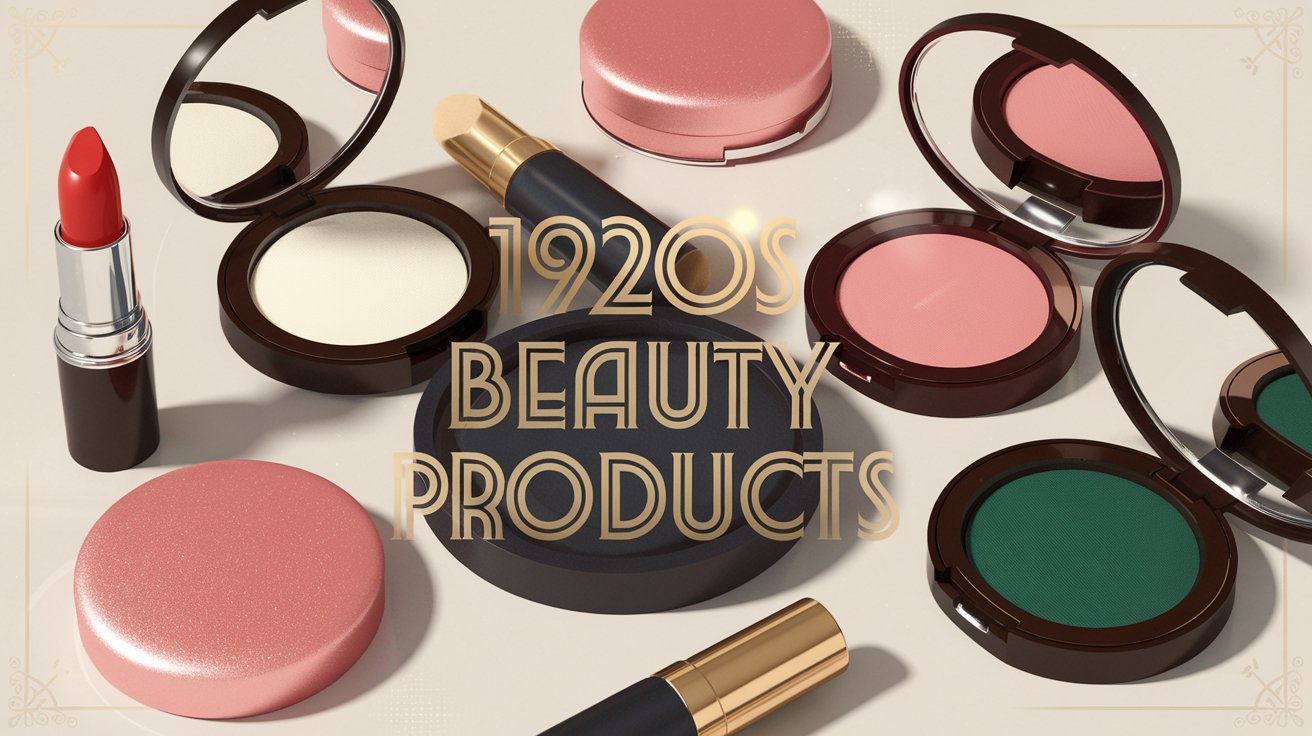
1920s Beauty Products: Makeup & Cosmetics That Defined
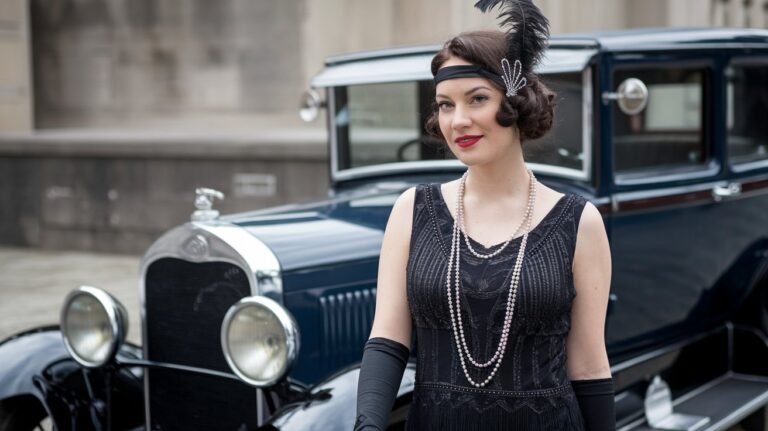
The 1920s marked a revolutionary era for beauty products, transforming cosmetics from secret indulgences to bold fashion statements. This transformative decade introduced iconic makeup items that defined the flapper aesthetic and established the foundation for modern beauty industry standards we recognize today.
The Revolutionary Makeup Era of the 1920s
The Jazz Age ushered in an unprecedented transformation in cosmetic culture, breaking Victorian-era taboos that had previously restricted women’s use of makeup. Department stores began dedicating entire sections to beauty products, making cosmetics accessible to middle-class American women for the first time. This cultural shift coincided with women’s suffrage and economic independence, creating a perfect storm for beauty innovation.
Major cosmetic companies like Max Factor, Helena Rubinstein, and Elizabeth Arden capitalized on this newfound freedom, launching advertising campaigns that promoted makeup as essential for the modern American woman. The 1920s beauty revolution established cosmetics as a billion-dollar industry, with sales increasing by over 300% throughout the decade according to contemporary business records.
Essential Face Makeup Products of the Roaring Twenties
Face makeup in the 1920s centered around achieving the distinctive porcelain doll complexion that became synonymous with flapper beauty standards. Women sought pale, matte finishes that contrasted dramatically with their bold eye and lip makeup, creating the theatrical appearance that defined the era’s aesthetic preferences.
Foundation and Face Powder Innovations
The face powder revolution of the 1920s introduced compact powders that women could carry in their purses for public touch-ups. Companies like Coty and Bourjois created pressed powder compacts with ornate designs, transforming makeup application into a fashionable social activity. These products contained talc and rice powder, providing the desired matte finish that photographed well under the new electric lighting becoming common in American cities.
Rouge and Cheek Color Techniques
Rouge application became an art form in the 1920s, with women applying circular patches of bright red or coral color high on their cheekbones to create a doll-like appearance. Popular brands included Tangee and Max Factor, which offered cream and powder rouge formulations. The placement technique differed significantly from modern contouring, focusing on creating geometric shapes rather than natural-looking flush.
Eye Makeup Essentials That Defined the Decade
Eye makeup in the 1920s emphasized dramatic contrast and geometric precision, reflecting the era’s fascination with Art Deco design principles. The smoky eye technique originated during this period, though it differed significantly from contemporary interpretations, focusing on dark kohl-rimmed eyes that created an exotic, mysterious appearance.
Mascara and Eyelash Enhancement
Mascara products in the 1920s were primarily cake-based formulations that required mixing with water or saliva before application. T.L. Williams’ Maybelline became the dominant brand, marketing the first modern mascara in small blocks that women activated with small brushes. False eyelashes, made from human hair, were popular among wealthy women attending evening parties and theatrical events.
Eyeshadow Colors and Application Methods
The eyeshadow palette of the 1920s favored muted earth tones, with brown, gray, and subtle blue shades dominating the market. Application involved creating defined creases and blending colors in geometric patterns that complemented the angular hairstyles popular during the era. Higher-end brands offered eyeshadow in small metal compacts, while drugstore options came in paper packaging.
Iconic Lipstick Trends and Formulations
The cupid’s bow lip became the defining feature of 1920s makeup, requiring precise application techniques that created heart-shaped lips with exaggerated peaks. This look required specific lipstick formulations that provided opaque coverage and sharp definition, leading to innovations in wax-based cosmetic chemistry that influenced lipstick manufacturing for decades.
Popular lipstick shades included deep reds, cherry tones, and dark berries that complemented the pale face powder trend. Brands like Guerlain and Helena Rubinstein introduced long-lasting lipstick formulas that could withstand dancing, smoking, and cocktail parties without constant reapplication, meeting the demands of the active flapper lifestyle.
Hair and Nail Beauty Products Revolution
The beauty revolution extended beyond facial cosmetics to encompass complete grooming solutions. Hair styling products became essential for maintaining the sleek bob haircuts and finger waves that defined 1920s fashion. Meanwhile, nail care evolved from basic maintenance to artistic expression, with colored nail lacquers becoming fashionable accessories.
Hair Styling Pomades and Setting Lotions
Hair pomades and setting lotions were crucial for achieving the smooth, sculpted hairstyles popular during the decade. Products like Brilliantine provided the glossy finish necessary for slicked-back styles, while wave-setting lotions helped women create the geometric finger waves at home. These products often contained alcohol and various oils, requiring careful application to avoid buildup or damage.
Nail Polish and Manicure Innovations
The introduction of colored nail polish in the late 1920s marked a significant beauty milestone, with Revlon pioneering opaque lacquers in fashionable colors. Prior to this innovation, women typically used clear polish or buffed their nails to a natural shine. The new colored formulations required base coats and specific removal techniques, establishing the multi-step manicure process still used today.
Popular Beauty Brands and Their Signature Products
The 1920s witnessed the establishment of several beauty empire foundations that continue to dominate the cosmetics industry today. These companies introduced revolutionary marketing strategies, celebrity endorsements, and scientific formulation approaches that transformed beauty products from homemade remedies to professionally manufactured cosmetics with consistent quality and performance.
Elizabeth Arden pioneered the concept of beauty salons as luxury destinations, while Helena Rubinstein focused on scientific skincare formulations that promised measurable results. Max Factor revolutionized theatrical makeup for everyday use, creating products that looked natural under both natural and artificial lighting conditions.
The Cultural Impact of 1920s Beauty Standards
The beauty democratization of the 1920s reflected broader social changes, including women’s liberation movements and changing economic roles. Cosmetics became symbols of independence and modernity, challenging traditional notions of femininity while establishing new beauty ideals that emphasized youth, sophistication, and urban glamour.
This cultural shift influenced advertising, fashion photography, and cinema, creating interconnected beauty standards that spread throughout American society. The flapper aesthetic became a global phenomenon, influencing beauty trends in Europe and other continents while establishing America as a leader in cosmetic innovation and marketing strategies.
Related video about beauty products in the 1920s
This video complements the article information with a practical visual demonstration.
Your questions answered
What were the most popular beauty products in the 1920s?
The most popular 1920s beauty products included face powder compacts, rouge for circular cheek application, kohl-based mascara, dark lipstick for cupid’s bow lips, and hair pomades for slicked styles. Max Factor, Helena Rubinstein, and Elizabeth Arden dominated the market with innovative formulations designed for the flapper aesthetic.
How did women apply makeup differently in the 1920s compared to today?
1920s makeup application focused on geometric precision rather than natural blending. Women applied rouge in circular patches high on cheeks, created sharp cupid’s bow lips, used dark kohl around entire eyes, and sought pale matte complexions. The goal was theatrical drama rather than the natural enhancement preferred in modern makeup techniques.
Were 1920s beauty products safe compared to modern cosmetics?
Many 1920s beauty products contained potentially harmful ingredients like lead, mercury, and radium in face powders and skin creams. However, major brands like Max Factor and Elizabeth Arden began implementing quality control measures. The FDA didn’t regulate cosmetics until 1938, so safety standards were inconsistent compared to today’s stringent requirements.
What beauty innovations from the 1920s are still used today?
Several 1920s beauty innovations remain foundational today, including pressed powder compacts, tube lipstick, modern mascara formulations, nail polish, and the concept of complete beauty routines. The marketing strategies, celebrity endorsements, and salon services pioneered during this decade also established templates still used by the beauty industry.
How much did beauty products cost in the 1920s?
In the 1920s, quality lipstick cost around $1-2 (equivalent to $15-30 today), face powder compacts ranged from $0.50-3.00, and premium skincare products could cost $5-10. Department store brands were more expensive than drugstore options, but the decade saw increasing accessibility of cosmetics across different income levels.
What role did Hollywood play in 1920s beauty product popularity?
Hollywood significantly influenced 1920s beauty trends through film stars like Clara Bow, Greta Garbo, and Louise Brooks. Max Factor specifically developed makeup for movie studios, creating products that looked good on screen and off. Celebrity endorsements and movie tie-in marketing campaigns helped popularize specific looks and products nationwide.
| Product Category | Key Innovation | Lasting Impact |
|---|---|---|
| Face Powder | Portable compact design | Modern pressed powder foundation |
| Mascara | Cake-to-liquid formulation | Basis for all modern mascaras |
| Lipstick | Metal tube packaging | Standard lipstick design today |
| Nail Polish | Opaque color formulations | Modern nail lacquer industry |