Popular Hairstyles in the 1930s: Glamorous Vintage Looks
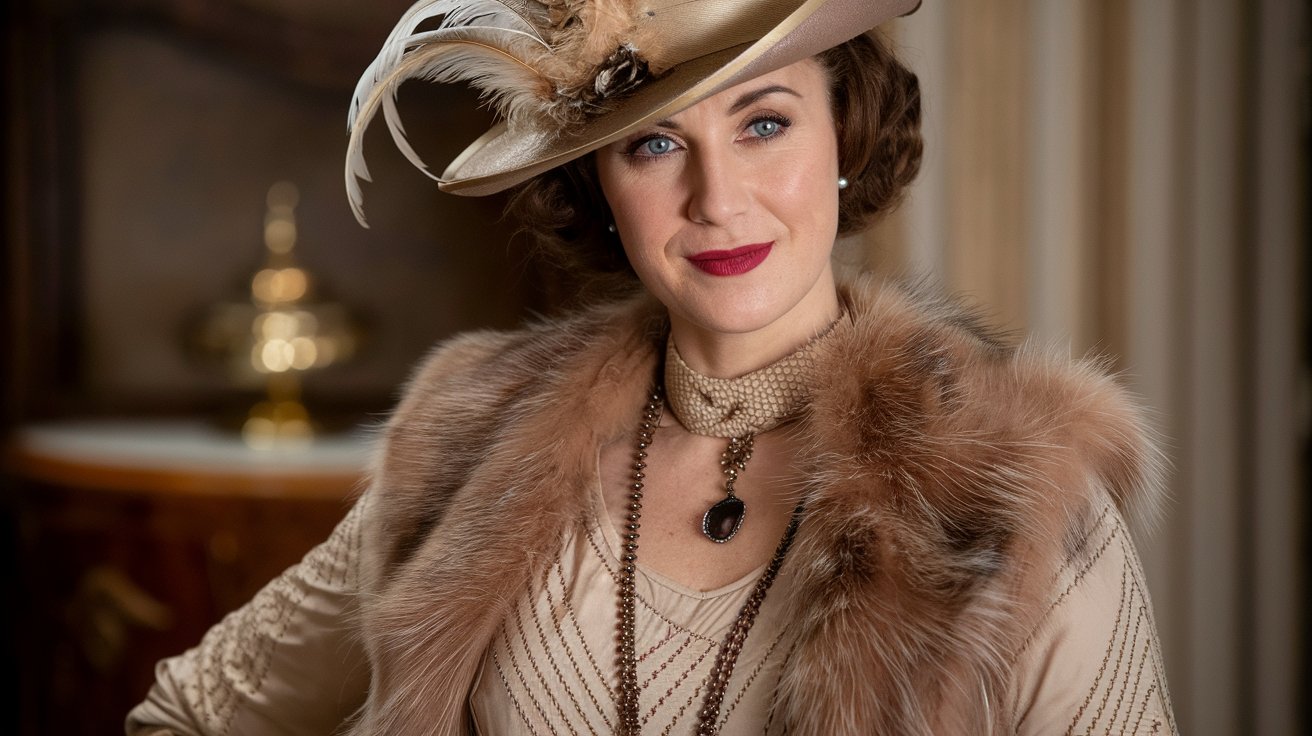
The 1930s marked a revolutionary era in hair fashion, introducing elegant finger waves, sophisticated pin curls, and glamorous Marcel waves that defined an entire decade. These popular hairstyles in the 1930s reflected both the economic constraints of the Great Depression and the growing influence of Hollywood glamour, creating timeless looks that continue to inspire modern fashion and bridal styling today.
The Cultural Context of 1930s Hair Fashion
The 1930s hairstyles emerged during a unique period in American history when the Great Depression forced women to adopt more practical, low-maintenance looks while simultaneously drawing inspiration from Hollywood’s golden age. This decade saw a shift from the boyish bob cuts of the 1920s to more feminine, sculpted styles that emphasized waves and curls. Women began growing their hair longer, creating versatile styles that could transition from day to evening wear with minimal effort.
Hollywood stars like Jean Harlow, Greta Garbo, and Mae West became the ultimate style icons, their finger waves and pin curls copied by women across America. Beauty salons adapted their techniques to make these glamorous looks accessible to everyday women, developing methods that required fewer expensive products and could be maintained at home between salon visits.
Economic Influence on Hair Trends
The Great Depression significantly impacted how women approached their hair styling routines in the 1930s. With limited disposable income, women sought hairstyles that were both fashionable and economical. This led to the popularity of finger waves, which could be created at home using just water, hair gel, and strategic combing techniques, eliminating the need for expensive salon treatments or specialized equipment.
Hollywood’s Golden Age Impact
Cinema became the primary source of hair inspiration during the 1930s, with movie stars setting trends that millions of American women eagerly followed. The Marcel wave technique gained popularity after being featured in countless films, while the sophisticated pin curl arrangements seen on screen became weekend styling goals for women across the United States.
Finger Waves: The Signature 1930s Style
Finger waves dominated the hair fashion landscape of the 1930s, characterized by their distinctive S-shaped curves that were molded close to the scalp using fingers, combs, and setting lotion. This technique created a sculptural, art deco-inspired look that perfectly complemented the era’s fashion aesthetic. Professional hairdressers developed specialized combing techniques that could create uniform waves from the hairline to the ears, with the remaining length styled in soft curls or pin curls.
The creation of perfect finger waves required precise sectioning, with each wave measuring approximately one inch in width. Hairdressers would apply setting lotion to damp hair, then use their fingers to press the hair into S-curves while simultaneously using a fine-tooth comb to create the sharp ridges that defined each wave. This meticulous process typically took 45 minutes to an hour to complete but resulted in a style that could last for several days with proper nighttime protection.
Professional Finger Wave Techniques
Professional hairdressers in the 1930s developed standardized finger wave patterns that ensured consistency across different hair textures and lengths. The most popular technique involved creating three to four waves on each side of the head, starting from a deep side part and working toward the ears. Stylists would use their index finger to create the valley of each wave while their middle finger formed the peak, maintaining consistent pressure throughout the molding process.
Home Styling Methods for Finger Waves
Women learned to create simplified finger waves at home using basic tools like water, hair gel, bobby pins, and a fine-tooth comb. The home method involved sectioning damp hair, applying setting lotion, and using fingers to mold gentle S-curves before securing with bobby pins overnight. While the results weren’t as precise as professional versions, this technique allowed women to maintain their 1930s look between salon visits.
Marcel Waves and Hot Styling Techniques
The Marcel wave represented the height of 1930s hair sophistication, created using heated Marcel irons that produced deep, uniform waves with remarkable longevity. This technique, perfected by French hairdresser François Marcel in the late 1800s, reached its peak popularity during the 1930s when improved iron designs made the process more accessible to American hairdressers. The Marcel method created waves that were deeper and more durable than finger waves, often lasting up to a week with proper care.
Professional stylists heated Marcel irons over gas flames or electric burners, carefully testing the temperature on tissue paper before applying to hair. The Marcel technique required exceptional skill, as the stylist had to maintain consistent heat and pressure while creating perfectly symmetrical waves. Each section of hair was clamped between the iron’s curved surfaces, then twisted in alternating directions to create the characteristic wave pattern that defined 1930s glamour.
Pin Curls and Evening Elegance
Pin curls served as both a styling technique and a setting method for 1930s hairstyles, creating everything from tight ringlets to soft, romantic curls depending on the size and direction of the curl formation. These meticulously crafted curls were typically created on damp hair, wound around the finger or a small rod, then secured flat against the scalp with bobby pins or hair clips. The direction of each pin curl determined the final hair movement, with alternating clockwise and counterclockwise patterns creating natural-looking wave formations.
Evening hairstyles in the 1930s often featured elaborate pin curl arrangements that transformed daytime finger waves into sophisticated updos suitable for formal occasions. Hairdressers would create clusters of pin curls at the nape of the neck, temples, and crown, then brush them out into flowing waves or structured rolls. This versatility made pin curls an essential technique for women who needed their hairstyles to transition from day to evening wear without requiring a complete restyle.
Clockwise and Counterclockwise Pin Curl Patterns
The direction of pin curl winding determined the final hair movement and wave pattern in 1930s styles. Clockwise curls created movement toward the face, while counterclockwise curls directed hair away from facial features. Professional stylists alternated these directions strategically to create natural-looking wave patterns that complemented each client’s face shape and desired final style.
Setting and Drying Techniques for Pin Curls
Proper setting of pin curls in the 1930s required specific drying methods to ensure longevity and shape retention. Many women used hair nets overnight to protect their pin curls while sleeping, while others invested in portable hair dryers or sat under salon-style dryers to accelerate the setting process. The key was ensuring complete dryness before removing pins to prevent the curls from falling out prematurely.
Victory Rolls and Wartime Adaptations
As the 1930s progressed toward the 1940s, victory rolls began emerging as a practical yet glamorous hairstyle that would dominate the early war years. These rolled sections of hair, typically positioned at the temples or crown, originated in the late 1930s as women sought styles that kept hair away from their faces while maintaining the decade’s emphasis on waves and curls. Victory rolls represented a perfect marriage of practicality and style, allowing women to maintain their glamorous appearance while adapting to changing social expectations.
The technique for creating victory rolls involved sectioning off portions of hair at the hairline, backcombing for volume, then rolling the hair inward and securing with bobby pins. These rolls could be incorporated into existing finger wave patterns or combined with pin curls to create versatile looks suitable for both work and social occasions.
Hair Products and Tools of the 1930s
The 1930s saw significant innovations in hair styling products that made complex hairstyles more accessible to the average American woman. Wave set lotions, containing ingredients like gum tragacanth and borax, provided the hold necessary for finger waves and pin curls to maintain their shape for days. Popular brands like Marchand’s Golden Hair Wash and Hinds Honey and Almond Cream became household staples, offering women affordable alternatives to expensive salon treatments.
Hair styling tools of the era included fine-tooth metal combs specifically designed for creating sharp wave ridges, Marcel irons in various sizes for different wave depths, and an array of bobby pins and hair clips in colors that matched different hair shades. The development of electric Marcel irons in the mid-1930s revolutionized professional styling, providing more consistent heat control and reducing the risk of hair damage that was common with flame-heated irons.
Setting Lotions and Wave Products
Commercial wave setting lotions became essential tools for achieving 1930s hairstyles, with formulations that provided flexible hold without the stiffness of earlier hair preparations. Brands like Nestle’s Wave Set and Marchand’s Wave Lotion offered different hold strengths, allowing women to choose products based on their hair texture and desired style longevity.
Professional Styling Equipment
Beauty salons invested in specialized 1930s hair equipment including adjustable Marcel irons, professional-grade hair dryers, and specially designed combs for creating precise wave patterns. The introduction of electric heating elements made styling more consistent and safer than previous flame-heated methods, leading to better results and increased customer satisfaction.
Face-Framing Techniques and Customization
Professional hairdressers in the 1930s developed sophisticated techniques for customizing hairstyles to complement different face shapes and features. The strategic placement of finger waves, the direction of pin curls, and the height of victory rolls were all carefully considered to enhance each client’s natural beauty. Women with round faces might receive higher crown volume and diagonal wave patterns, while those with angular features often benefited from softer, horizontal wave formations that created the illusion of width.
The concept of face-framing hair styling reached new heights during this decade, with hairdressers studying facial proportions and bone structure to determine the most flattering wave placement and curl direction. This personalized approach to hair styling established many principles that continue to influence modern hair design, emphasizing the importance of working with natural features rather than following trends blindly.
Color and Texture Considerations in 1930s Styles
Hair color trends of the 1930s favored rich, natural-looking shades that enhanced the sculptural quality of finger waves and pin curls. Platinum blonde, popularized by Jean Harlow, became the ultimate glamour color, while deep brunettes and warm auburn shades dominated everyday styling. The decade’s hair coloring techniques were limited compared to modern standards, relying primarily on henna, bleaching powder, and metallic dyes that required careful application to avoid damage.
Hair texture played a crucial role in determining which 1930s styling techniques worked best for individual clients. Fine hair benefited from the volume-building properties of pin curls and backcombing, while thick, coarse hair was ideal for creating the deep ridges characteristic of perfect finger waves. Hairdressers developed texture-specific techniques, adjusting their methods based on each client’s natural hair characteristics to achieve optimal results.
Related video about popular hairstyles in the 1930s
This video complements the article information with a practical visual demonstration.
Frequently Asked Questions
How long did 1930s finger waves typically last once styled?
Professionally created finger waves could last 3-7 days with proper nighttime protection using silk scarves or hair nets. The longevity depended on hair texture, the quality of setting lotion used, and environmental factors like humidity. Women often refreshed their styles mid-week by rewetting sections and re-molding specific waves that had lost their shape.
What was the most popular hair length for women in the 1930s?
The most popular hair length reached just below the ears to shoulder length, typically 8-12 inches long. This length provided enough hair to create elaborate finger waves and pin curls while remaining practical for daily maintenance. Shorter bobs from the 1920s gradually gave way to these longer styles that offered more styling versatility.
Were 1930s hairstyles difficult to maintain at home?
While professional results required skill and practice, many 1930s hairstyles were designed to be maintainable at home. Women learned simplified versions of salon techniques using basic tools like combs, bobby pins, and setting lotion. The key was proper nighttime protection and weekly touch-ups to maintain the style’s integrity between professional appointments.
What hair products were essential for creating 1930s waves?
Essential products included wave setting lotion (containing gum tragacanth or similar setting agents), hair pomade for shine and hold, bobby pins in matching hair colors, and fine-tooth combs for creating sharp wave ridges. Many women also used cold cream or petroleum jelly to protect their hairline while styling and silk scarves for nighttime protection.
How did Hollywood influence 1930s hairstyles across America?
Hollywood had an enormous impact on 1930s hair trends, with movie stars like Jean Harlow, Greta Garbo, and Mae West setting styles that millions of women copied. Beauty magazines featured detailed instructions for recreating celebrity looks, while hairdressers studied film stills to master the techniques seen on screen. This created a democratization of glamour that made sophisticated styling accessible nationwide.
Can modern women successfully recreate authentic 1930s hairstyles?
Yes, modern women can recreate 1930s hairstyles using updated products and techniques that are gentler on hair. Contemporary setting lotions, modern Marcel irons with temperature control, and improved bobby pins make these vintage styles more achievable and longer-lasting. Many professional stylists now specialize in vintage techniques for weddings, themed events, and period productions.
| Popular 1930s Style | Key Characteristics | Modern Applications |
|---|---|---|
| Finger Waves | S-shaped curves molded close to scalp, lasting 3-7 days | Bridal styling, vintage events, red carpet looks |
| Marcel Waves | Deep, heated waves with exceptional longevity | Professional photo shoots, period films, special occasions |
| Pin Curls | Versatile curls creating volume and movement | Foundation for modern updos, texture creation, vintage styling |
| Victory Rolls | Practical rolls keeping hair from face | Rockabilly culture, pinup styling, retro fashion events |