1920s Bob with Bangs: Authentic Flapper Hairstyles Guide 2025
The 1920s bob with bangs revolutionized women’s hairstyles and remains one of history’s most iconic looks. This flapper era hairstyle symbolized female liberation and rebellion against Victorian conventions. Modern interpretations of the vintage bob haircut continue to influence contemporary fashion, making it essential to understand both historical authenticity and today’s styling techniques.
History of the 1920s Bob with Bangs
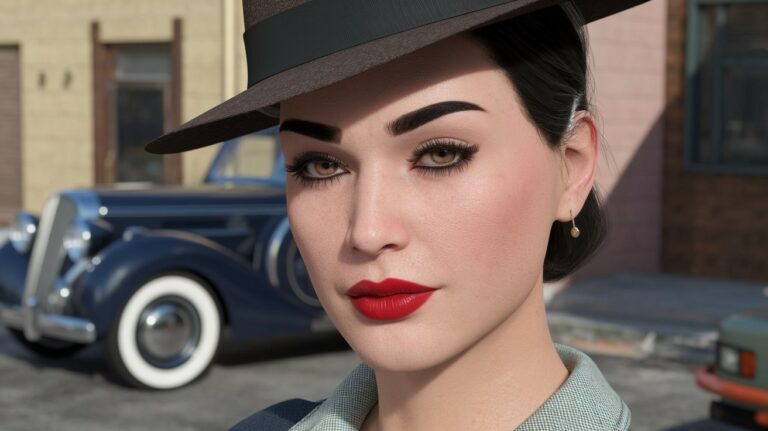
The 1920s bob hairstyle emerged as a revolutionary statement during the Jazz Age, when women began cutting their hair short for the first time in centuries. This dramatic shift coincided with women’s suffrage and changing social roles. The bob with straight bangs became the signature look of flappers, representing freedom from traditional feminine constraints and Victorian ideals.
Pioneering hairstylists like Antoine de Paris popularized the geometric bob cut in fashionable salons across America. By 1925, approximately 75% of American women under 30 had adopted some variation of the short bob haircut. The style’s popularity was further cemented by Hollywood stars like Louise Brooks and Clara Bow, who made the blunt bangs bob an international fashion phenomenon.
The Original Eton Crop
The Eton crop hairstyle represented the most extreme version of 1920s hair rebellion. This ultra-short cut featured finger-waved bangs and closely cropped sides, mimicking masculine hairstyles of the era. Josephine Baker and other avant-garde performers popularized this daring look, though it remained controversial even within progressive circles of the roaring twenties.
The Classic Dutch Boy Bob
The Dutch boy bob offered a more conservative approach to 1920s hair fashion while maintaining the era’s distinctive silhouette. This variation featured blunt cut bangs paired with chin-length hair that curved under slightly. The style provided versatility for both daytime propriety and evening glamour, making it accessible to working women and socialites alike.
Authentic 1920s Bob Styling Techniques
Creating an authentic 1920s bob with bangs requires understanding period-specific styling methods and tools. Professional barbers and hairstylists of the era used straight razors and scissors to achieve the precise geometric lines characteristic of flapper hairstyles. The cutting technique emphasized clean, angular shapes that complemented the decade’s Art Deco aesthetic and fashion sensibilities.
Period styling relied heavily on finger waves to add texture and movement to the straight bob haircut. Hairdressers used setting lotion, metal combs, and finger pressure to create the signature S-shaped waves that framed the face. The shingled back technique involved gradually tapering hair length from the crown to the nape, creating a sleek, tailored appearance that emphasized neck lines and jewelry.
Essential 1920s Hair Tools
Authentic vintage bob styling required specific tools that professional salons used throughout the decade. Marcel irons heated over open flames created the distinctive marcel waves that defined elegant evening looks. Setting lotions containing shellac provided the strong hold necessary for maintaining finger wave patterns throughout long social events and dancing sessions typical of the Jazz Age.
Period-Accurate Hair Products
The 1920s marked the beginning of commercial hair product manufacturing, with brands like Brilliantine and Stacomb becoming household names. These pomade-based products provided the glossy finish essential to achieving authentic sleek bob hairstyles. Women also used homemade setting solutions containing sugar water or beer to maintain their geometric haircuts between salon visits.
Modern 1920s Bob with Bangs Adaptations
Contemporary interpretations of the 1920s bob with bangs blend vintage aesthetics with modern styling preferences and hair health considerations. Today’s stylists use advanced cutting techniques and products to achieve the classic silhouette while ensuring hair remains healthy and manageable. Modern textured bob cuts incorporate subtle layering that wasn’t possible with 1920s tools, creating more movement and versatility.
Current trends favor softer interpretations of the blunt bangs bob, with stylists creating micro-fringes or side-swept bangs that reference the original without the harsh geometric lines. Professional colorists now add dimension through subtle highlights or lowlights, techniques unavailable during the original era but which enhance the vintage-inspired haircut for contemporary wear.
Face Shapes and 1920s Bob Variations
Selecting the appropriate 1920s bob variation depends heavily on individual face shape and features, just as it did during the original era. The classic straight across bangs work best on oval and heart-shaped faces, while round faces benefit from slightly longer, angled cuts that create vertical lines. Square faces require softened edges and possibly side-swept bangs to balance strong jawlines characteristic of the geometric bob style.
Professional stylists in 2025 recommend customizing the vintage bob haircut length based on neck proportions and personal styling preferences. Shorter necks benefit from chin-length cuts, while longer necks can accommodate the ultra-short crops popular among original flappers. The key lies in maintaining the essential geometric principles while adapting proportions to flatter individual features and modern lifestyle requirements.
Oval Face Shape Recommendations
Women with oval faces have the most flexibility when choosing 1920s bob variations, as this face shape naturally complements the era’s angular styling. The classic chin-length bob with blunt bangs creates perfect proportions, while shorter pixie-inspired crops channel the rebellious spirit of the original Eton crop. Oval faces can successfully wear both sleek and textured versions of the vintage-inspired bob.
Round Face Styling Solutions
Round faces require strategic modifications to achieve flattering 1920s bob proportions without overwhelming natural curves. Asymmetrical cuts with longer front sections create vertical lines that elongate the face shape. Side-swept bangs work better than straight across fringe, while maintaining enough of the geometric aesthetic to preserve the vintage character of the hairstyle.
Styling Products for 1920s Bob Maintenance
Maintaining a modern 1920s bob with bangs requires specific products that provide hold and shine without the harsh chemicals used in vintage formulations. Contemporary texturizing pomades offer the glossy finish essential to authentic styling while protecting hair health. Heat protectant sprays become crucial when using flat irons or vintage-style marcel irons to create period-appropriate waves and curves.
Professional-grade setting sprays provide the strong hold necessary for maintaining finger wave patterns and sleek styling throughout the day. Modern formulations offer humidity resistance that original 1920s products couldn’t achieve, ensuring the geometric bob shape remains intact in various weather conditions. Dry shampoos help extend styling between washes, particularly important for maintaining the precise lines characteristic of authentic flapper hairstyles.
Celebrity Inspirations and Red Carpet Looks
Modern celebrities frequently reference 1920s bob hairstyles for red carpet events and fashion shoots, demonstrating the enduring appeal of this iconic look. Stars like Taylor Swift, Emma Stone, and Charlize Theron have worn contemporary interpretations of the bob with straight bangs, bringing vintage glamour to modern occasions. These high-profile appearances often spark renewed interest in retro bob haircuts among fashion-conscious consumers.
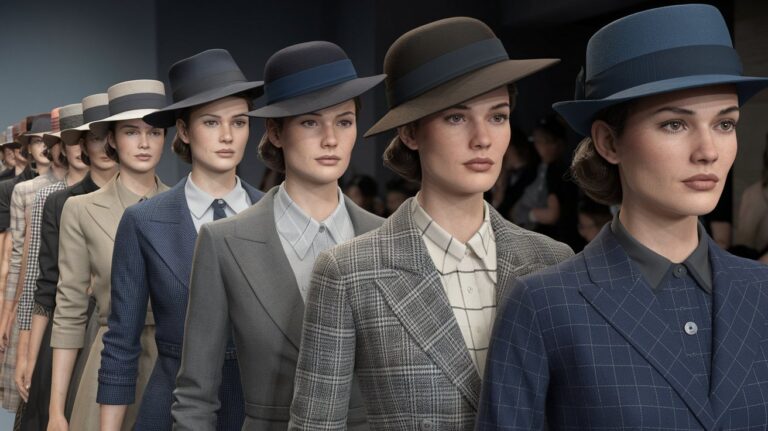
Fashion Week runways consistently feature models wearing updated versions of vintage bob cuts, with designers using the hairstyle to complement collections inspired by Art Deco and Jazz Age aesthetics. Professional editorial stylists create more dramatic interpretations for photography, often exaggerating the geometric lines or adding modern color techniques to create striking visual impact while maintaining the essential 1920s silhouette.
Editorial and Fashion Photography
Fashion photographers frequently choose 1920s-inspired bob cuts for editorial shoots that require timeless elegance with contemporary edge. These professional styling applications often feature more extreme interpretations of the classic cut, with ultra-precise lines and dramatic geometric bangs that photograph beautifully under studio lighting conditions and complement high-fashion garments.
Awards Season Trends
Major awards ceremonies regularly showcase sophisticated variations of the vintage bob with bangs, particularly when celebrities want to project classic Hollywood glamour. Professional hairstylists create polished versions that photograph well on camera while maintaining enough vintage character to complement elegant gowns and jewelry selections typical of formal red carpet occasions.
DIY vs Professional Styling Considerations
Achieving an authentic 1920s bob with bangs requires careful consideration of whether to attempt DIY styling or seek professional assistance. The geometric precision essential to this vintage haircut demands advanced cutting skills that most individuals lack. Professional stylists understand the technical aspects of creating even lines, proper angles, and the subtle tapering that gives the cut its distinctive silhouette and prevents unflattering proportions.
Home maintenance of a professionally cut 1920s bob becomes more manageable with proper tools and products. Daily styling focuses on maintaining the sleek finish and geometric shape rather than recreating the entire look. Professional touch-ups every 4-6 weeks ensure the blunt cut lines remain crisp and the overall proportions stay true to the original aesthetic vision.
Seasonal Adaptations and Styling Variations
Adapting the 1920s bob with bangs for different seasons requires understanding how weather conditions affect styling and hair behavior. Summer humidity challenges the sleek finish characteristic of vintage bob hairstyles, requiring stronger hold products and potentially more frequent touch-ups. Winter conditions may cause static and dryness, necessitating additional moisture treatments while maintaining the precise geometric lines.
Seasonal fashion trends influence how modern wearers style their retro-inspired bobs, with spring and summer versions often featuring lighter, more textured interpretations. Fall and winter styling tends toward sleeker, more polished looks that complement heavier fabrics and formal occasions. Professional colorists may suggest seasonal tonal adjustments that enhance the classic bob silhouette while remaining true to the overall vintage aesthetic.
Related video about 1920s bob with bangs
This video complements the article information with a practical visual demonstration.
Most asked questions about 1920s bob with bangs
How long should bangs be for an authentic 1920s bob?
Authentic 1920s bangs typically fall just above the eyebrows in a straight, blunt line. The bangs should be cut geometrically across the forehead, creating a sharp horizontal line that complements the angular bob cut. Modern adaptations may vary slightly in length but maintain the essential blunt, straight-across appearance that defined the flapper era aesthetic.
What face shapes work best with 1920s bob and bangs?
Oval and heart-shaped faces work best with the classic 1920s bob and straight bangs combination. Round faces should consider longer bob lengths with side-swept bangs to avoid emphasizing width. Square faces benefit from softened edges and slightly longer cuts. The key is maintaining the geometric aesthetic while adapting proportions to flatter individual facial features.
How often should I trim my 1920s bob to maintain the shape?
A 1920s bob requires professional trimming every 4-6 weeks to maintain its precise geometric lines and blunt edges. The bangs may need trimming every 2-3 weeks as they grow quickly and lose their sharp, straight appearance. Regular maintenance is essential because the style depends on clean lines and specific proportions that become unflattering as hair grows out.
Can I style a 1920s bob with modern tools and products?
Yes, modern tools like flat irons and professional-grade pomades can achieve authentic 1920s bob styling more easily than original methods. Contemporary heat protectants and setting sprays provide better hold and hair health protection than vintage products. Marcel irons or flat irons can create period-appropriate finger waves, while modern texturizing products achieve the glossy finish essential to the authentic look.
What’s the difference between a 1920s bob and modern bob cuts?
1920s bobs feature more geometric, angular cutting with blunt edges and minimal layering, creating a structured silhouette. Modern bobs often incorporate subtle layers, texturing, and softer edges for easier maintenance. The 1920s version emphasizes sharp lines, straight-across bangs, and a sleek finish, while contemporary cuts prioritize movement, versatility, and natural hair texture accommodation.
How do I choose between different 1920s bob variations?
Choose based on your face shape, lifestyle, and commitment to maintenance. The classic chin-length bob with blunt bangs suits most face shapes but requires frequent trimming. Shorter Eton crops work for adventurous individuals with oval faces. The Dutch boy bob offers a more conservative option. Consider your daily styling time and professional requirements when selecting the specific variation that works best for your situation.
| Style Element | 1920s Characteristics | Modern Benefits |
|---|---|---|
| Bob Length | Chin-length geometric cut | Easy maintenance and styling |
| Bang Style | Straight across blunt line | Frames face and adds structure |
| Overall Shape | Angular and geometric | Timeless elegance and sophistication |
| Styling Finish | Sleek and glossy appearance | Professional and polished look |