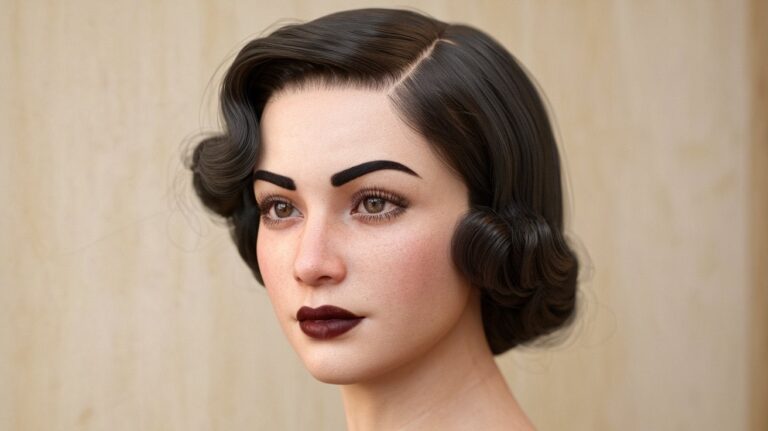
Authentic 1920s Flapper Dress Guide: Vintage Style 2025
An authentic 1920s flapper dress represents one of fashion history’s most revolutionary moments, transforming women’s clothing from restrictive Victorian styles to liberating, modern silhouettes. These iconic dresses featured dropped waistlines, loose-fitting bodies, and hemlines that shocked society by rising to the knee, embodying the rebellious spirit of Jazz Age women who danced, smoked, and challenged traditional gender roles.
Key Characteristics of Authentic 1920s Flapper Dresses
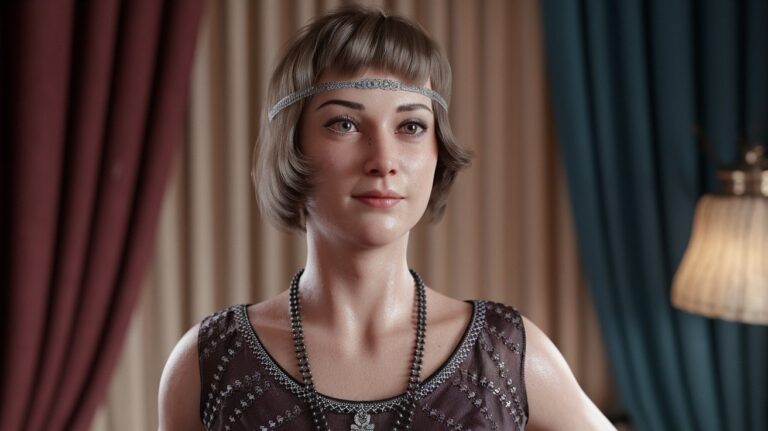
Genuine 1920s flapper dresses displayed distinctive features that set them apart from both earlier and later fashion eras. The most recognizable characteristic was the dropped waistline that sat at the hips rather than the natural waist, creating a straight, boyish silhouette that rejected the corseted hourglass figure of previous decades. This revolutionary design allowed women unprecedented freedom of movement for dancing the Charleston and other popular Jazz Age dances.
The authentic flapper dress typically featured a loose, straight-cut body that skimmed the figure without clinging, often decorated with intricate beadwork, sequins, or embroidery that caught the light during evening festivities. Hemlines were scandalously short for the time, usually falling just below the knee, paired with rolled-down stockings and T-bar shoes that completed the rebellious look.
Fabric Choices and Textures in Genuine 1920s Dresses
Luxury fabrics dominated authentic 1920s fashion, with silk chiffon, crepe de chine, and velvet being preferred materials for evening wear. Daytime flapper dresses often utilized lighter fabrics like cotton, linen, or wool jersey, reflecting the decade’s move toward more practical clothing. Metallic fabrics gained popularity for special occasions, with lamé and tissue silk creating the shimmering effects that epitomized Roaring Twenties glamour.
Embellishments and Decorative Elements
The most spectacular authentic flapper dresses featured elaborate embellishments that transformed simple silhouettes into works of art. Hand-sewn beadwork in geometric Art Deco patterns, sequined motifs, and metallic thread embroidery were hallmarks of genuine 1920s craftsmanship. Fringe details became increasingly popular toward the late 1920s, creating movement that enhanced the dancing experience while adding visual drama to the flapper dress silhouette.
Historical Context and Cultural Significance
The authentic 1920s flapper dress emerged during a period of unprecedented social change in American society. Following World War I, women had gained new independence through employment opportunities and suffrage, leading to a rejection of traditional feminine ideals expressed through clothing. The flapper dress symbolized this liberation, allowing women to participate in new social activities like dancing, driving automobiles, and engaging in public nightlife.
This fashion revolution coincided with the rise of Jazz Age culture, where young women embraced a more androgynous appearance that challenged conventional beauty standards. The flapper dress became a uniform of rebellion, worn by women who bobbed their hair, applied bold makeup, and openly consumed alcohol during Prohibition, creating a new archetype of modern femininity that scandalized older generations.
Identifying Genuine Vintage vs. Reproduction Dresses
Distinguishing between authentic 1920s flapper dresses and modern reproductions requires careful examination of construction details, materials, and design elements. Genuine vintage pieces exhibit specific characteristics that reflect the manufacturing techniques and aesthetic preferences of the Jazz Age era, making them valuable both as fashion pieces and historical artifacts.
The market for vintage flapper dresses has grown significantly, with authentic pieces from the 1920s commanding premium prices among collectors and fashion enthusiasts. Understanding the differences between original garments and contemporary reproductions helps buyers make informed decisions when investing in these iconic pieces of fashion history.
Construction Methods and Seaming Techniques
Authentic 1920s dresses were typically constructed using hand-finished seams and couture techniques that differ markedly from modern mass production methods. Original garments often feature French seams, hand-sewn buttonholes, and bias-cut panels that demonstrate the skilled craftsmanship of the era. The interior construction of genuine vintage pieces reveals careful attention to detail, with silk linings and reinforced stress points that ensured durability despite the delicate appearance.
Age Indicators and Wear Patterns
Genuine vintage flapper dresses display characteristic aging patterns that confirm their authenticity, including subtle fabric discoloration, minor bead loss in high-wear areas, and specific types of deterioration consistent with nearly century-old textiles. The patina of age, while sometimes requiring conservation, adds to the historical value of authentic 1920s garments and helps distinguish them from modern reproductions that lack these natural aging characteristics.
Popular Styles and Variations of 1920s Flapper Dresses
The world of authentic 1920s flapper dresses encompassed numerous style variations that evolved throughout the decade, each reflecting different aspects of Jazz Age fashion and social occasions. From simple daytime frocks to elaborate evening gowns, these dresses adapted the basic flapper silhouette to suit various lifestyle needs of the modern 1920s woman.
Early 1920s styles maintained some connection to 1910s fashion with slightly longer hemlines and more structured bodices, while mid-decade designs fully embraced the revolutionary dropped waist and shorter skirts that defined the flapper aesthetic. By the late 1920s, dress styles began incorporating elements that would transition into 1930s fashion, including longer hemlines and more fitted silhouettes that hinted at the end of the flapper era.
Daytime and Casual Flapper Dress Styles
Everyday flapper dresses prioritized comfort and practicality while maintaining the decade’s signature aesthetic elements. These simpler designs typically featured minimal embellishment, focusing on clean lines and quality fabrics rather than elaborate decoration. Daytime styles often incorporated practical elements like patch pockets and button closures, making them suitable for the increasingly active lifestyle of 1920s women who participated in sports, drove cars, and worked outside the home.
Evening and Formal Flapper Dress Designs
Evening authentic flapper dresses represented the pinnacle of 1920s glamour, featuring luxurious fabrics, intricate beadwork, and dramatic design elements suited for dancing and socializing. These formal styles often incorporated longer trains or asymmetrical hemlines, metallic embellishments, and sheer panels that created sophisticated silhouettes appropriate for speakeasies and formal gatherings. The most elaborate evening gowns showcased the era’s fascination with Art Deco motifs and exotic influences from global fashion trends.
Shopping for Authentic 1920s Flapper Dresses in 2025
The contemporary market for authentic 1920s flapper dresses offers various purchasing options, from specialized vintage boutiques to online auction platforms, each presenting unique advantages and considerations for collectors and fashion enthusiasts. Understanding current market trends and pricing helps buyers navigate this specialized segment of vintage fashion collecting.
In 2025, the demand for genuine vintage flapper dresses continues to grow among costume designers, fashion collectors, and individuals seeking unique pieces for special occasions. This increased interest has led to higher prices for museum-quality examples while creating opportunities for those willing to invest in restoration projects or less pristine but authentic pieces.
Reputable Sources and Vintage Dealers
Established vintage clothing dealers specializing in 1920s fashion provide authentication expertise and quality guarantees that protect buyers from reproduction pieces misrepresented as authentic. Many reputable dealers offer detailed provenance information and condition reports that help buyers understand exactly what they’re purchasing. Estate sales and auction houses also present opportunities to acquire authentic flapper dresses, though these venues require more buyer knowledge to avoid costly mistakes.
Online Platforms and Digital Marketplaces
Digital platforms have revolutionized the vintage flapper dress market, connecting buyers with sellers worldwide while presenting new challenges in authentication and condition assessment. Successful online purchasing requires careful examination of detailed photographs, seller reputation research, and understanding of return policies. Many online vintage specialists now offer authentication services and detailed condition reports that help bridge the gap between in-person and digital shopping experiences.
Care and Preservation of Vintage 1920s Dresses
Proper care of authentic 1920s flapper dresses requires specialized knowledge of vintage textile preservation, as these nearly century-old garments face unique challenges from age-related deterioration, delicate fabrics, and historically significant embellishments. Professional conservation techniques help ensure these fashion artifacts survive for future generations while maintaining their historical integrity.
The preservation of vintage flapper dresses involves understanding the specific vulnerabilities of 1920s materials and construction methods, from fragile silk linings to hand-sewn beadwork that may require reinforcement. Proper storage, handling, and cleaning techniques protect these valuable garments from further deterioration while allowing occasional wear for special occasions when appropriate.
Professional Cleaning and Restoration Services
Specialized textile conservators understand the unique requirements of authentic 1920s garments, using museum-quality techniques to clean and stabilize vintage fabrics without causing damage. Professional restoration can address specific issues like loose beading, deteriorating silk, or structural weaknesses while preserving the historical authenticity of the garment. These services, while expensive, protect the investment value and wearability of precious vintage flapper dresses.
Home Storage and Handling Guidelines
Proper home storage of authentic flapper dresses requires acid-free materials, climate control, and careful handling procedures that prevent damage from light exposure, pests, and environmental fluctuations. Archival storage boxes, padded hangers designed for vintage clothing, and regular inspection routines help maintain these delicate garments. Understanding which pieces can safely be worn and which should remain as display items helps owners balance enjoyment with preservation of their 1920s fashion investments.
Modern Reproductions vs. Authentic Pieces: Making the Right Choice
The decision between purchasing authentic 1920s flapper dresses and high-quality modern reproductions depends on individual priorities, budget considerations, and intended use. Both options offer unique advantages for different situations, from museum display to costume parties to special event wear.
Contemporary reproductions of flapper dresses provide accessibility and wearability that vintage pieces may not offer, especially for active use like dancing or frequent wear. However, authentic vintage pieces carry historical significance and investment potential that reproductions cannot match, making them preferred choices for serious collectors and fashion historians.
Related video about authentic 1920s flapper dress
This video complements the article information with a practical visual demonstration.
Essential Q&A about authentic 1920s flapper dress
How can I tell if a 1920s flapper dress is authentic?
Authentic 1920s flapper dresses show specific characteristics including hand-finished seams, period-appropriate fabrics like silk crepe or chiffon, and construction techniques from that era. Look for natural aging patterns, vintage labels or lack thereof, and embellishment styles consistent with 1920s aesthetics. Professional appraisal may be necessary for valuable pieces.
What should I expect to pay for an authentic 1920s flapper dress?
Authentic 1920s flapper dresses range from $200-500 for simpler pieces in fair condition to $2000-8000 for elaborate evening gowns with extensive beadwork. Museum-quality examples or pieces with documented provenance can command higher prices. Condition, rarity, and craftsmanship significantly impact value in the current market.
Can I wear an authentic 1920s flapper dress to events?
Wearing authentic 1920s dresses depends on their condition and your comfort level with potential damage. Sturdier pieces in good condition may handle gentle wear for special occasions, but fragile garments should be preserved as collectibles. Consider high-quality reproductions for frequent wear while saving authentic pieces for display or very special events.
Where can I find authentic 1920s flapper dresses for sale?
Authentic flapper dresses are available through vintage clothing specialists, estate sales, auction houses, and reputable online vintage dealers. Antique shows, costume museums deaccessioning items, and estate attorneys handling vintage collections also present opportunities. Always verify authenticity through expert evaluation before purchasing expensive pieces.
How should I store and care for a vintage 1920s flapper dress?
Store authentic flapper dresses in acid-free boxes with tissue paper, away from direct light and temperature fluctuations. Use padded hangers for short-term storage and avoid plastic bags that trap moisture. Professional cleaning is recommended for valuable pieces, while gentle spot cleaning may suffice for minor issues. Regular inspection helps identify problems early.
What makes 1920s flapper dresses historically significant?
Flapper dresses represent a revolutionary moment in women’s fashion and social history, symbolizing the liberation movement of the 1920s. They rejected Victorian constraints, allowing unprecedented freedom of movement and expressing the rebellious spirit of Jazz Age women who challenged traditional gender roles through fashion, behavior, and social participation.
| Key Aspect | Important Details | Benefit |
|---|---|---|
| Authenticity Identification | Hand-finished seams, period fabrics, natural aging patterns | Ensures genuine historical value and investment potential |
| Market Pricing 2025 | $200-8000 depending on condition and rarity | Informed purchasing decisions and fair value assessment |
| Proper Preservation | Acid-free storage, climate control, professional cleaning | Maintains garment integrity and extends lifespan |
| Historical Significance | Symbol of women’s liberation and Jazz Age culture | Cultural education and appreciation of fashion history |