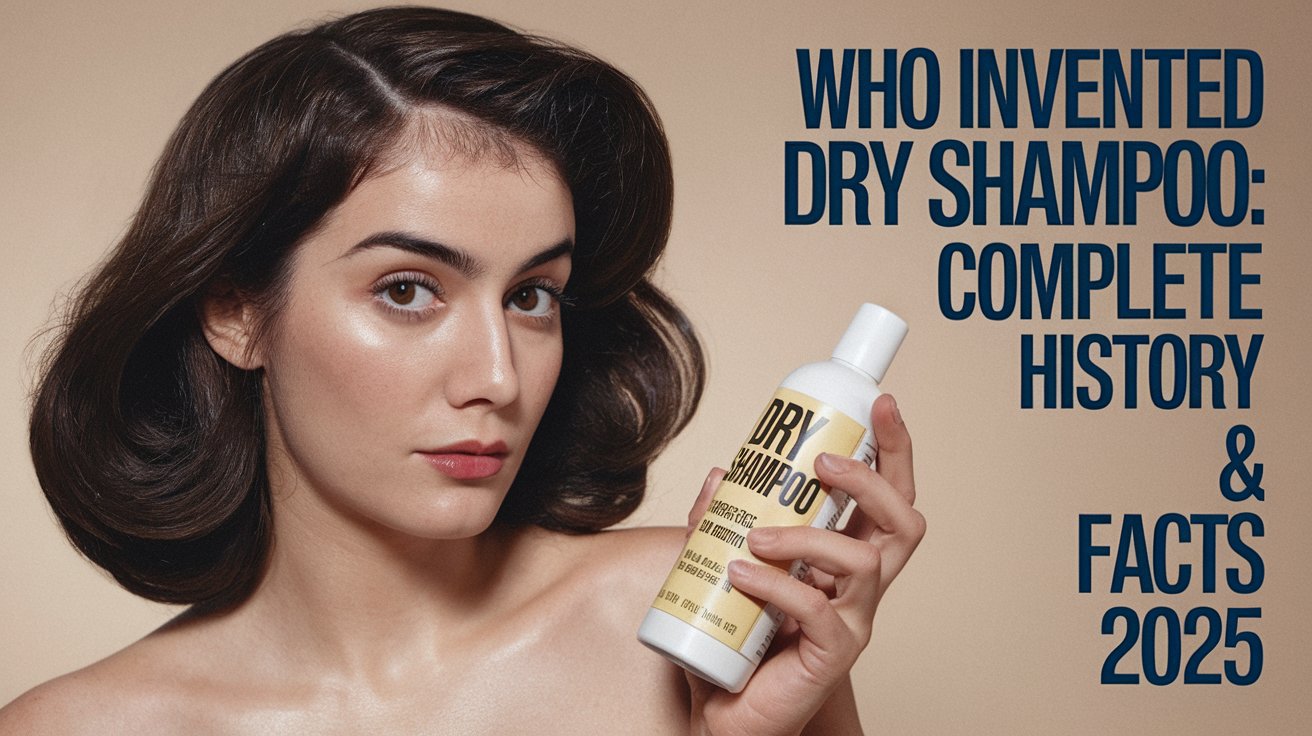
Who Invented Dry Shampoo: Complete History & Facts 2025
The question of who invented dry shampoo reveals a fascinating journey spanning thousands of years. While modern dry shampoo was refined by French hairstylist Jean-Baptiste Klorane in the 1970s, the concept dates back to ancient civilizations who used powders and clays to absorb oil from hair when water wasn’t available.
Ancient Origins of Dry Shampoo
The earliest forms of dry shampoo can be traced back to ancient Egypt and Asia, where people used natural powders to clean their hair. Ancient Egyptians mixed various clay powders and plant extracts to absorb oil from their scalp and hair. Similarly, Asian cultures utilized rice starch and other natural ingredients as early hair cleansing alternatives.
These ancient civilizations understood that certain absorbent materials could effectively remove excess oil and dirt from hair without requiring water. Archaeological evidence suggests that powdered orris root, cornstarch, and various clay mixtures were commonly used across different cultures for maintaining hair cleanliness between traditional washes.
Victorian Era Innovations
During the Victorian era, dry hair cleaning methods became more sophisticated and widely documented. Victorian women frequently used talcum powder, cornstarch, and orris root powder to maintain their elaborate hairstyles. This period marked the first commercial attempts to create standardized dry cleaning products for hair care.
The Victorian dry shampoo formulas were often homemade mixtures passed down through families. Women would combine ingredients like powdered starch, baking soda, and essential oils to create effective oil-absorbing treatments. These methods were particularly important during winter months when frequent hair washing was impractical due to heating limitations.
Popular Victorian Ingredients
Victorian-era dry shampoo recipes typically included talcum powder as the primary base ingredient, combined with cornstarch for additional absorption properties. Orris root powder was prized for its pleasant fragrance and oil-absorbing capabilities, while baking soda helped neutralize odors and cleanse the scalp effectively.
Application Methods in the 1800s
Victorian women applied dry shampoo powders using specialized brushes and combs designed specifically for powder distribution. The process involved sectioning hair, applying powder to the roots, allowing it to absorb oils for several minutes, then thoroughly brushing out the residue while styling the hair into fashionable arrangements.
Modern Dry Shampoo Development
The modern dry shampoo industry truly began taking shape in the early 20th century with advances in cosmetic chemistry and aerosol technology. Companies started experimenting with different formulations that could provide better oil absorption while being easier to apply and remove from hair.
During World War II, water shortages and rationing led to increased interest in waterless hair care solutions. This period saw significant innovation in dry shampoo formulations as manufacturers sought to meet the growing demand for convenient, effective hair cleansing alternatives that didn’t require precious water resources.
Jean-Baptiste Klorane’s Revolutionary Contribution
Jean-Baptiste Klorane is widely credited as the inventor of modern commercial dry shampoo, having developed the first aerosol-based formula in the 1970s. Working as a French pharmacist and botanist, Klorane revolutionized the hair care industry by creating a spray-on formula that could effectively clean hair without water while being easy to apply and remove.
Klorane’s innovation involved using natural plant extracts and minerals in an aerosol delivery system that could evenly distribute the product throughout hair. His formulation included nettle extract, which helped control oil production, and gentle absorbent powders that could be easily brushed out after application. This breakthrough made dry shampoo accessible to mainstream consumers for the first time.
Klorane’s Scientific Approach
Klorane’s scientific background in botany allowed him to identify specific plant extracts that could enhance dry shampoo effectiveness. He extensively researched nettle’s oil-controlling properties and developed extraction methods that preserved the plant’s beneficial compounds for hair care applications, creating a more effective and natural alternative to purely chemical-based formulations.
Impact on the Beauty Industry
The introduction of Klorane’s aerosol dry shampoo transformed the beauty industry by creating an entirely new product category. His innovation sparked competition among cosmetic companies, leading to rapid improvements in formulation technology and the development of numerous dry shampoo brands that dominate the market today.
1980s-1990s Commercial Expansion
Following Klorane’s breakthrough, the 1980s and 1990s witnessed massive commercial expansion of dry shampoo products. Major cosmetic companies like L’Oreal, Unilever, and Procter & Gamble began developing their own formulations, leading to increased availability and variety in the marketplace.
During this period, dry shampoo technology advanced significantly with improved aerosol systems, better fragrance integration, and enhanced oil-absorption capabilities. Manufacturers also began targeting specific hair types and concerns, creating specialized formulas for oily hair, colored hair, and different hair textures.
21st Century Innovations and Trends
The 21st century dry shampoo market has exploded with innovations including foam formulations, tinted varieties, and organic ingredient options. Modern consumers demand products that not only clean hair effectively but also provide additional benefits like volume enhancement, color protection, and scalp care.
Recent developments include microencapsulation technology that allows for controlled release of active ingredients, waterless formulas that completely eliminate the need for rinsing, and eco-friendly packaging options that appeal to environmentally conscious consumers. The global dry shampoo market reached $3.4 billion in 2024 and is projected to grow significantly through 2025.
Sustainable Formulation Trends
Modern sustainable dry shampoo development focuses on biodegradable ingredients, refillable packaging systems, and carbon-neutral production methods. Leading brands are investing in plant-based alternatives to traditional synthetic ingredients while maintaining the effectiveness that consumers expect from their hair care products.
Technology Integration
Contemporary dry shampoo innovations incorporate advanced delivery systems like precision spray nozzles, heat-activated formulas, and pH-balancing ingredients. These technological improvements ensure more even product distribution, better oil absorption, and enhanced user experience compared to early formulations.
Key Contributors to Dry Shampoo Evolution
Beyond Klorane, several other inventors and innovators contributed significantly to dry shampoo development. Cosmetic chemist Eugene Schueller, founder of L’Oreal, helped refine aerosol technology for beauty applications, while various independent researchers throughout the 20th century improved formulation stability and effectiveness.
Notable contributions also came from hair care specialists who identified specific needs within different market segments, leading to the development of dry shampoos for various hair colors, textures, and styling requirements. These collaborative efforts between chemists, hair stylists, and consumer researchers have shaped the diverse dry shampoo market available today.
Global Market Impact and Statistics
The dry shampoo market in the United States represents approximately 40% of global consumption, with annual sales exceeding $1.3 billion in 2024. American consumers purchase an average of 2.4 dry shampoo products per year, with millennials and Gen Z driving the highest usage rates among demographic groups.
Market research indicates that 73% of American women have used dry shampoo at least once, with 42% incorporating it into their regular hair care routine. The convenience factor remains the primary driver, with 68% of users citing time-saving benefits as their main motivation for choosing dry shampoo over traditional washing methods.
Related video about who invented dry shampoo
This video complements the article information with a practical visual demonstration.
Most asked questions about who invented dry shampoo
Who is credited with inventing modern dry shampoo?
Jean-Baptiste Klorane, a French pharmacist and botanist, is credited with inventing modern commercial dry shampoo in the 1970s. He developed the first aerosol-based formula using natural plant extracts and minerals, revolutionizing the hair care industry by making dry shampoo accessible to mainstream consumers through an easy-to-use spray application system.
When was the first dry shampoo invented?
The concept of dry shampoo dates back thousands of years to ancient civilizations, with Egyptians and Asian cultures using natural powders and clays to absorb oil from hair. However, the first modern commercial dry shampoo was developed by Jean-Baptiste Klorane in the 1970s, creating the aerosol formulation that became the foundation for today’s products.
What ingredients were used in early dry shampoos?
Early dry shampoos utilized natural ingredients including clay powders, rice starch, cornstarch, talcum powder, orris root powder, and baking soda. Ancient civilizations mixed these absorbent materials with plant extracts and essential oils to create effective oil-absorbing treatments that could clean hair without water while providing pleasant fragrances.
How has dry shampoo evolved since its invention?
Dry shampoo has evolved from simple powder mixtures to sophisticated aerosol formulations with advanced ingredients. Modern versions include tinted varieties, organic options, foam formulations, and specialized products for different hair types. Recent innovations incorporate microencapsulation technology, eco-friendly packaging, and enhanced delivery systems for better application and effectiveness.
What impact did Jean-Baptiste Klorane have on the beauty industry?
Klorane’s invention of aerosol dry shampoo created an entirely new product category in the beauty industry, sparking competition among major cosmetic companies and leading to rapid technological improvements. His innovation made dry shampoo mainstream, transforming it from a niche product to a multi-billion dollar market segment that continues growing today.
Why did dry shampoo gain popularity during World War II?
Dry shampoo gained significant popularity during World War II due to water shortages and rationing that made frequent hair washing impractical. This period saw increased innovation in waterless hair care solutions as manufacturers developed better formulations to meet growing demand for convenient, effective alternatives that didn’t require precious water resources during wartime restrictions.
| Era | Key Inventor/Innovation | Impact on Industry |
|---|---|---|
| Ancient Times | Egyptian and Asian cultures using natural powders | Established foundation concept |
| Victorian Era | Standardized powder formulations | First commercial attempts |
| 1970s | Jean-Baptiste Klorane aerosol innovation | Created modern dry shampoo industry |
| 2020s | Sustainable and tech-enhanced formulations | $3.4 billion global market value |