Were Bomber Jackets Popular in the 80s? Fashion History Guide
Bomber jackets were absolutely popular in the 80s, becoming one of the decade’s most iconic fashion statements. Originally designed for military pilots, these versatile jackets transcended their functional origins to become a symbol of rebellious youth culture, hip-hop fashion, and mainstream American style throughout the 1980s.
The Rise of Bomber Jackets in 1980s America
The bomber jacket popularity in the 1980s stemmed from a perfect storm of cultural influences. Military surplus stores across the United States began selling authentic flight jackets to civilians, while fashion designers recognized their commercial potential. The MA-1 flight jacket, originally developed for the U.S. Air Force in the 1950s, experienced a massive resurgence during this decade as young Americans embraced its utilitarian aesthetic and rebellious connotations.
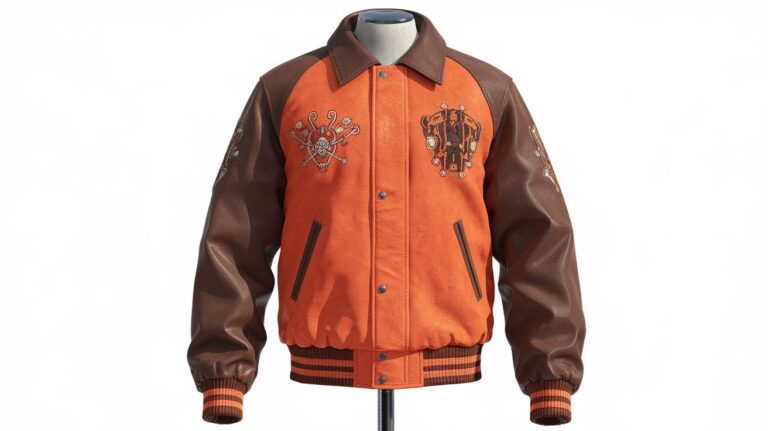
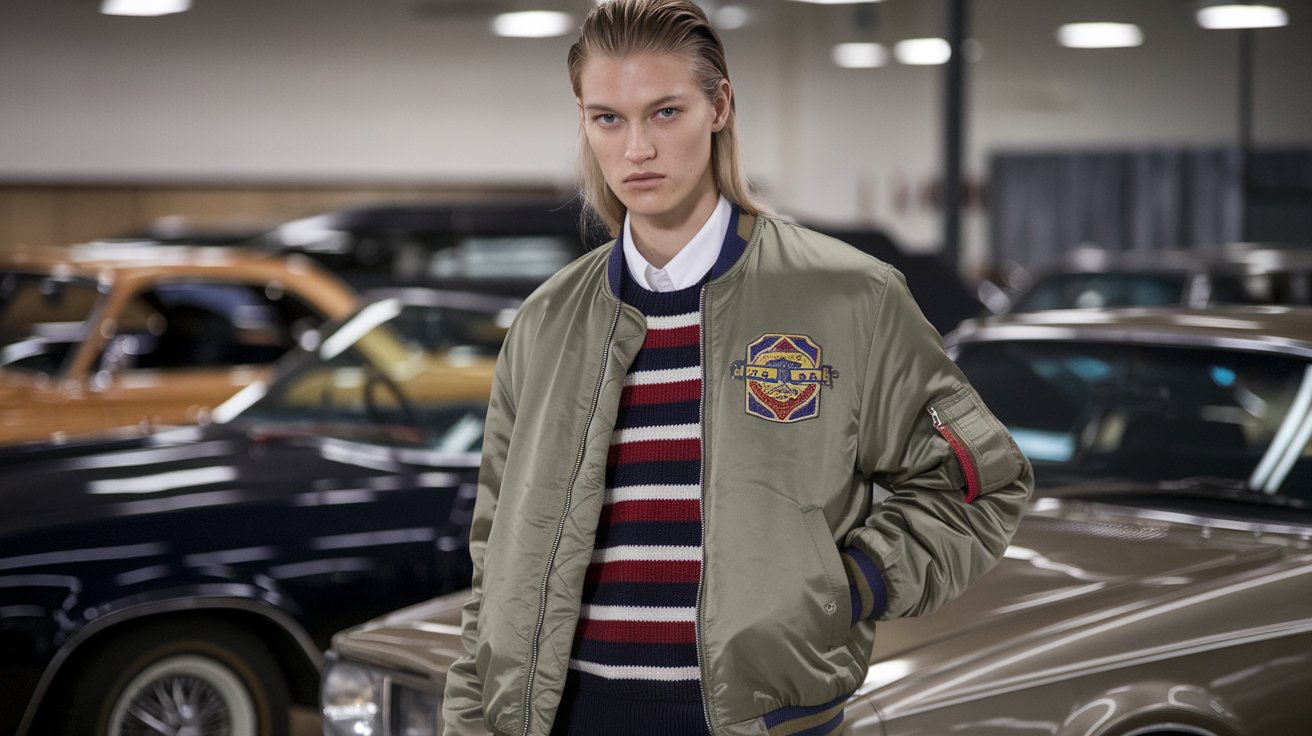
Fashion magazines like Vogue and Harper’s Bazaar featured 80s bomber jackets prominently in their editorial spreads, showcasing how these military-inspired pieces could be styled for both casual and semi-formal occasions. The jacket’s distinctive features – ribbed cuffs, elastic waistband, and zip-front closure – made it instantly recognizable and highly coveted among fashion-conscious Americans.
Military Surplus Influence on Civilian Fashion
The abundance of authentic military bomber jackets in surplus stores throughout the 1980s made these garments accessible to everyday Americans. Veterans returning from various conflicts brought these practical jackets into civilian life, where their durability and distinctive style caught the attention of fashion-forward individuals seeking alternatives to traditional outerwear.
Designer Adaptations and High Fashion Integration
Luxury fashion houses began incorporating bomber jacket designs into their collections by the mid-1980s. Designers like Calvin Klein and Ralph Lauren created elevated versions using premium materials like silk and leather, transforming the utilitarian garment into a high-fashion statement piece that appealed to affluent consumers seeking edgy sophistication.
Celebrity Influence and Cultural Impact in the 80s
Hollywood stars and musicians played a crucial role in establishing bomber jackets as 80s fashion staples. Tom Cruise’s portrayal of Maverick in Top Gun (1986) sparked unprecedented demand for authentic flight jackets, with retailers struggling to keep MA-1 bombers in stock following the film’s release. The movie’s cultural impact extended far beyond cinema, cementing the bomber jacket’s association with American masculinity and adventure.
Music icons from various genres embraced the 80s bomber jacket trend, each adding their unique interpretation to the garment’s styling. Run-DMC incorporated colorful bomber jackets into their hip-hop aesthetic, while rock stars like Billy Idol paired leather bombers with punk-inspired ensembles, demonstrating the jacket’s versatility across different subcultural movements.
Top Gun’s Revolutionary Fashion Impact
The release of Top Gun created an unprecedented surge in aviator jacket popularity, with sales increasing by over 300% in the months following the film’s debut. Military surplus stores across America reported massive inventory shortages as consumers sought authentic G-1 and MA-1 flight jackets to emulate Tom Cruise’s iconic look.
Hip-Hop Culture’s Bomber Jacket Adoption
Hip-hop artists in the 1980s transformed bomber jackets into streetwear essentials, often choosing oversized fits and bold colors that contrasted with traditional military styling. Groups like Grandmaster Flash and the Furious Five popularized the garment within urban communities, establishing bombers as symbols of street credibility and cultural authenticity.
Fashion Trends and Styling in 1980s America
The 80s fashion bomber jacket served as a versatile foundation for numerous styling approaches throughout the decade. Fashion-conscious Americans paired bombers with everything from acid-washed jeans and sneakers for casual weekend looks to tailored trousers and loafers for more polished ensembles. The jacket’s neutral color palette – typically featuring olive green, black, or navy – made it an ideal complement to the decade’s bold color schemes and geometric patterns.
Women’s fashion magazines showcased innovative ways to incorporate bomber jackets into 80s outfits, demonstrating how the traditionally masculine garment could enhance feminine silhouettes. Stylists recommended pairing cropped bombers with high-waisted jeans and statement accessories, creating looks that balanced edgy military aesthetics with contemporary femininity.
Materials and Manufacturing in the 1980s
The bomber jacket materials available during the 1980s ranged from authentic military-spec nylon to luxury alternatives crafted from leather and silk. Alpha Industries, the original contractor for U.S. military flight jackets, began producing civilian versions using identical specifications, ensuring authenticity while meeting growing consumer demand. These jackets featured orange polyester lining – originally designed to aid in rescue operations – which became a distinctive style element in civilian fashion.
Fashion brands experimented with alternative materials to create unique interpretations of the classic 80s bomber design. Satin bombers gained popularity among women seeking glamorous yet edgy outerwear options, while leather versions appealed to motorcycle enthusiasts and rock music fans seeking more durable and rebellious styling alternatives.
Authentic Military Specifications vs. Fashion Adaptations
Authentic military bomber jackets from the 1980s featured specific technical requirements including flame-resistant materials and reinforced stitching, while fashion adaptations prioritized aesthetic appeal and comfort. This distinction created multiple market segments, with purists seeking genuine military surplus and fashion enthusiasts preferring designer interpretations with contemporary fits and styling details.
Innovation in Bomber Jacket Production
Manufacturing innovations during the 1980s enabled mass production of affordable bomber jackets, making the style accessible to broader demographics. Computer-controlled cutting machines and improved synthetic materials reduced production costs while maintaining quality, allowing retailers to offer bombers at various price points to meet diverse consumer needs.
Regional Variations Across the United States
Different regions of America embraced bomber jacket fashion in unique ways during the 1980s. West Coast cities like Los Angeles and San Francisco favored lighter-weight versions suitable for mild climates, while East Coast metropolitan areas preferred heavier materials for practical winter wear. The Midwest saw strong adoption among college students and young professionals seeking versatile outerwear that transitioned seamlessly between casual and business-casual settings.
Southern states incorporated 80s bomber styling into preppy aesthetics, with private school students and country club members pairing navy bombers with khaki trousers and boat shoes. This regional adaptation demonstrated the jacket’s remarkable versatility and ability to complement various American style preferences throughout the decade.
Retail and Market Response in the 1980s
Major American retailers recognized the commercial potential of bomber jackets in 80s fashion and rapidly expanded their outerwear selections to include multiple variations. Department stores like Macy’s and Nordstrom dedicated significant floor space to bomber displays, while specialty boutiques emerged specifically to cater to the growing demand for authentic and fashion-forward flight jacket styles.
The bomber jacket market during the 1980s generated millions in revenue as consumers embraced the trend across all age demographics. Industry analysts noted that bomber jacket sales consistently outperformed traditional outerwear categories, with some retailers reporting that bombers comprised up to 40% of their jacket inventory during peak seasons.
Department Store Marketing Strategies
Retailers developed sophisticated marketing campaigns to promote 80s bomber jacket sales, often featuring military-inspired displays and celebrity endorsements. Window displays incorporated aviation themes with model airplanes and patriotic imagery, appealing to consumers’ desires for authentic military heritage and American pride.
Price Points and Consumer Accessibility
The bomber jacket price range in the 1980s varied dramatically, from $20 military surplus options to $500 designer versions. This pricing diversity ensured that the trend remained accessible to consumers across different economic brackets, contributing to its widespread adoption throughout American society.
Cultural Significance and Social Impact
The cultural impact of bomber jackets in 1980s America extended far beyond fashion, representing broader themes of military pride, rebellious youth culture, and evolving gender roles. Young Americans adopted bombers as symbols of non-conformity and independence, while simultaneously honoring military service and patriotic values through their fashion choices.
The garment’s unisex appeal challenged traditional fashion boundaries, with both men and women incorporating bomber jackets into their wardrobes without gender-specific styling restrictions. This flexibility reflected the decade’s growing acceptance of androgynous fashion elements and women’s increasing participation in traditionally male-dominated activities and professions.
Related video about were bomber jackets popular in the 80s
This video complements the article information with a practical visual demonstration.
FAQ – Common Questions
Were bomber jackets actually popular in the 1980s?
Yes, bomber jackets were extremely popular throughout the 1980s in America. They became iconic fashion statements influenced by movies like Top Gun (1986), hip-hop culture, and the availability of military surplus. The trend peaked mid-decade and remained strong through the late 80s, with both authentic military versions and fashion adaptations widely worn.
What made bomber jackets so trendy in the 80s?
Several factors contributed to bomber jacket popularity in the 80s: Tom Cruise’s Top Gun influence, hip-hop artists adopting the style, availability of authentic military surplus, and fashion designers creating luxury versions. The jackets represented rebellion, military pride, and versatile styling that complemented the decade’s bold fashion trends.
How did people style bomber jackets in the 1980s?
In the 80s, people styled bomber jackets with acid-washed jeans and sneakers for casual looks, or paired them with tailored pants for semi-formal occasions. Women wore cropped bombers with high-waisted jeans, while men often chose oversized fits. The versatile styling worked across different subcultures from preppy to punk.
What types of bomber jackets were popular in the 80s?
Popular 80s bomber jacket types included authentic military MA-1 and G-1 flight jackets in olive green and navy, designer leather versions, colorful satin bombers for women, and oversized hip-hop styles. Materials ranged from military-spec nylon to luxury silk and leather, with the distinctive orange lining being highly coveted.
Did both men and women wear bomber jackets in the 80s?
Yes, bomber jackets were popular with both men and women in the 1980s. The unisex appeal was part of their widespread adoption, with women often choosing fitted or cropped versions while men preferred standard or oversized fits. This gender-neutral styling reflected the decade’s evolving fashion boundaries.
Are 80s-style bomber jackets still fashionable today?
Yes, 80s-style bomber jackets remain fashionable in 2024-2025, with periodic revivals in mainstream fashion. Modern versions often reference classic 80s styling while incorporating contemporary fits and materials. The vintage aesthetic continues to influence streetwear, athleisure, and high-fashion collections across America.
| 80s Bomber Aspect | Key Details | Cultural Impact |
|---|---|---|
| Celebrity Influence | Top Gun sparked 300% sales increase | Mainstream fashion adoption |
| Hip-Hop Integration | Oversized, colorful styling | Streetwear foundation |
| Gender Neutrality | Unisex appeal across demographics | Breaking fashion boundaries |
| Material Diversity | Nylon, leather, satin variations | Accessible across price points |