1940s Women’s Hats: Complete Guide to Wartime Fashion
The 1940s women’s hats defined an era of resourcefulness and elegance during World War II. From practical berets to glamorous pillbox styles, these iconic accessories combined wartime necessity with sophisticated fashion. Understanding vintage hat styles from this decade reveals how women maintained dignity and style despite rationing and social upheaval, making these timeless pieces increasingly popular among modern fashion enthusiasts.
Essential 1940s Hat Styles Every Woman Wore
The decade’s most distinctive headwear emerged from both practical needs and fashion innovation. 1940s women’s hats were characterized by smaller silhouettes compared to the elaborate styles of previous decades, primarily due to fabric rationing during wartime. Women embraced compact designs that used minimal materials while maximizing style impact through creative construction and decorative elements.
Popular shapes included close-fitting cloches, structured berets, elegant pillbox designs, and practical turbans. Each style served specific purposes in a woman’s wardrobe, from everyday work attire to special occasion glamour. The vintage hat fashion of this era emphasized functionality without sacrificing femininity, creating timeless designs that continue to influence contemporary millinery and fashion collections worldwide.
The Classic 1940s Beret: Symbol of Wartime Chic
The 1940s beret became synonymous with both French resistance elegance and American working women’s practicality. Typically made from wool felt, these soft, round caps were worn tilted slightly to one side, creating an effortlessly sophisticated silhouette. Women paired berets with everything from factory uniforms to weekend casual wear, making them one of the most versatile wartime hat styles of the decade.
Turban Hats: Practical Glamour for Working Women
1940s turban hats represented the perfect marriage of practicality and style for women entering the workforce. These wrapped fabric styles protected hair while working in factories or victory gardens, yet maintained an exotic, glamorous appearance. Available in various fabrics from cotton to silk, turbans often featured decorative brooches or jeweled pins, allowing women to express individuality within practical constraints of wartime fashion.
Pillbox Hats and Cocktail Styles of the 1940s
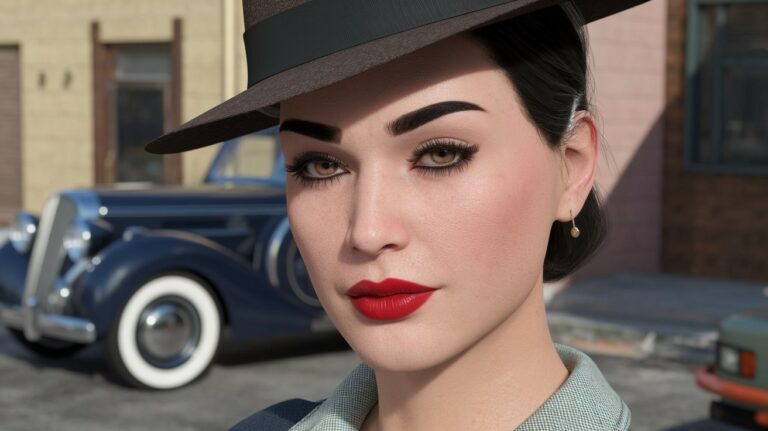
The 1940s pillbox hat epitomized sophisticated femininity and became a staple for dressy occasions throughout the decade. These small, cylindrical hats sat elegantly on top of the head, often secured with hidden combs or elastic bands. Pillbox styles perfectly complemented the era’s shorter hairstyles and provided an ideal canvas for decorative elements like feathers, flowers, or netting veils.
Cocktail hats represented the more ornate end of 1940s millinery, featuring dramatic angles, asymmetrical designs, and luxurious materials. Despite wartime restrictions, milliners created stunning pieces using available materials creatively, incorporating everything from recycled jewelry to repurposed fabric scraps. These evening styles demonstrated how vintage women’s fashion maintained glamour even during challenging times.
Materials and Construction Techniques in 1940s Millinery
Wartime rationing significantly influenced 1940s hat materials, forcing milliners to innovate with limited resources. Felt remained the most popular choice for structured hats, while cotton and synthetic fabrics gained prominence for casual styles. Many hats featured creative use of ribbon, rope, and even paper materials, demonstrating the era’s resourceful approach to fashion during material shortages.
Construction techniques emphasized durability and versatility, with many 1940s women’s hats designed to be easily reshaped or re-trimmed as fashion trends evolved. Wire frames provided structure for pillbox and cocktail styles, while softer berets and turbans relied on strategic piecing and gathering. The quality craftsmanship of this era explains why authentic vintage hats from the 1940s remain highly sought after by collectors today.
Fabric Rationing and Creative Alternatives
The War Production Board’s fabric restrictions led to innovative wartime millinery solutions, with hat makers turning to unconventional materials. Straw became increasingly popular for spring and summer styles, while synthetic materials offered affordable alternatives to silk and velvet. Many women learned to make their own hats using patterns from magazines, contributing to the era’s DIY fashion culture and vintage hat making traditions.
Quality Craftsmanship Despite Material Limitations
Professional milliners of the 1940s demonstrated remarkable skill in creating elegant vintage hat designs despite material constraints. Hand-sewing techniques, blocking methods, and finishing details remained at high standards throughout the war years. This commitment to quality explains why surviving 1940s women’s hats continue to be treasured pieces in vintage collections and museum exhibits across the United States.
Color Palettes and Decorative Elements of 1940s Hats
1940s hat colors reflected both wartime practicality and the desire for optimism during difficult times. Navy blue, brown, and black dominated everyday styles, while brighter hues like red, emerald green, and royal blue appeared in dressy occasions. These color choices complemented the era’s clothing palette and demonstrated how wartime fashion balanced conservation with the psychological need for beauty and self-expression.
Decorative elements on 1940s millinery showcased remarkable creativity within material limitations. Feathers, flowers, ribbons, and veiling transformed simple hat shapes into sophisticated accessories. Many designs featured patriotic themes, incorporating red, white, and blue color schemes or victory garden motifs that reflected the era’s national spirit and women’s contributions to the war effort.
How to Style 1940s Women’s Hats Today
Modern fashion enthusiasts can successfully incorporate vintage 1940s hat styles into contemporary wardrobes by understanding the original styling principles. These timeless accessories pair beautifully with current fashion trends, from business attire to casual weekend looks. The key lies in balancing the vintage element with modern proportions and choosing pieces that complement your face shape and personal style.
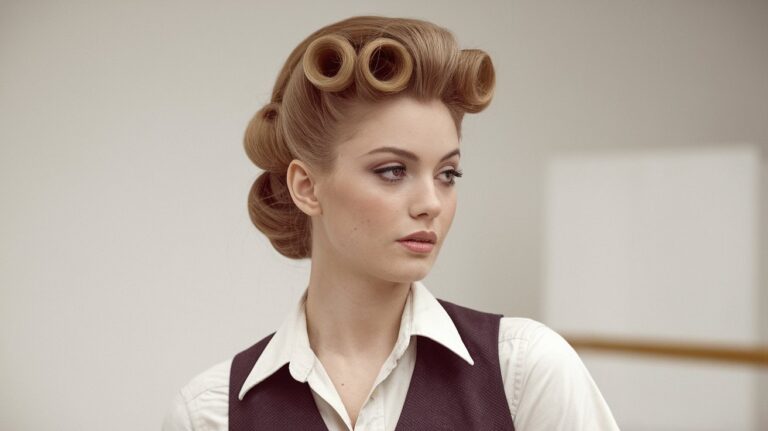
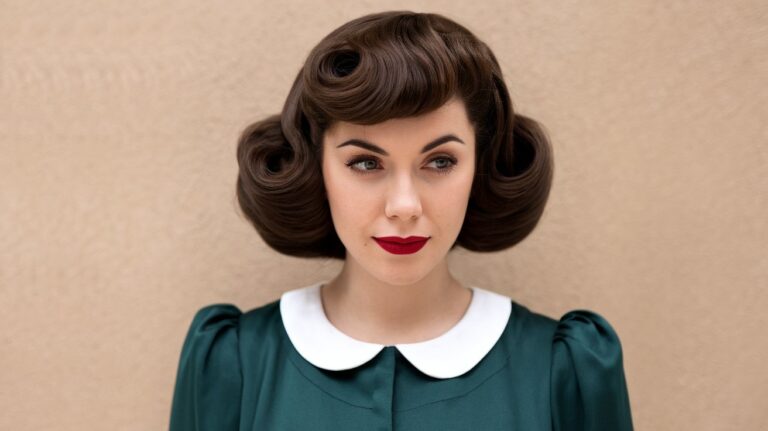
When wearing 1940s women’s hats today, consider hair styling that honors the era while remaining practical for modern life. Victory rolls, pin curls, or simply tucked-under styles work beautifully with pillbox hats, while loose waves complement berets and turbans. Contemporary makeup can be kept simple, allowing the hat to serve as the statement piece that channels vintage glamour in today’s fashion landscape.
Pairing Vintage Hats with Modern Outfits
Successfully integrating vintage hat fashion requires understanding scale and proportion in contemporary styling. A 1940s pillbox hat pairs elegantly with tailored blazers, pencil skirts, or even modern shift dresses. Berets work beautifully with casual denim, knit sweaters, and contemporary outerwear, proving that 1940s hat styles remain relevant and stylish in today’s fashion environment.
Hair and Makeup Considerations for Vintage Hat Styling
Achieving authentic 1940s vintage look requires attention to complementary hairstyling and makeup choices. Period-appropriate hair techniques like pin curls or victory rolls enhance the overall vintage aesthetic, while simplified modern variations can provide a subtle nod to the era. Makeup should emphasize the eyes and lips in keeping with 1940s beauty standards, creating a cohesive vintage-inspired appearance.
Collecting and Caring for Authentic 1940s Hats
Vintage hat collecting has gained tremendous popularity among fashion enthusiasts and history lovers alike. Authentic 1940s pieces command significant prices at auction houses and vintage boutiques, with rare designer examples reaching thousands of dollars. Collectors should focus on condition, provenance, and construction quality when evaluating potential purchases of 1940s women’s hats.
Proper storage and maintenance are crucial for preserving these historical fashion artifacts. Vintage hat care requires specific techniques including proper blocking, climate control, and protection from light damage. Many collectors invest in professional restoration services to maintain their pieces, ensuring that these examples of 1940s millinery remain beautiful for future generations to appreciate and study.
The Cultural Impact and Legacy of 1940s Women’s Hats
The influence of 1940s women’s hats extends far beyond fashion, representing women’s resilience and creativity during one of history’s most challenging periods. These accessories symbolized the balance between maintaining femininity and embracing new roles in society. Fashion historians recognize this decade as pivotal in establishing practical elegance as a lasting style philosophy that continues to influence contemporary design.
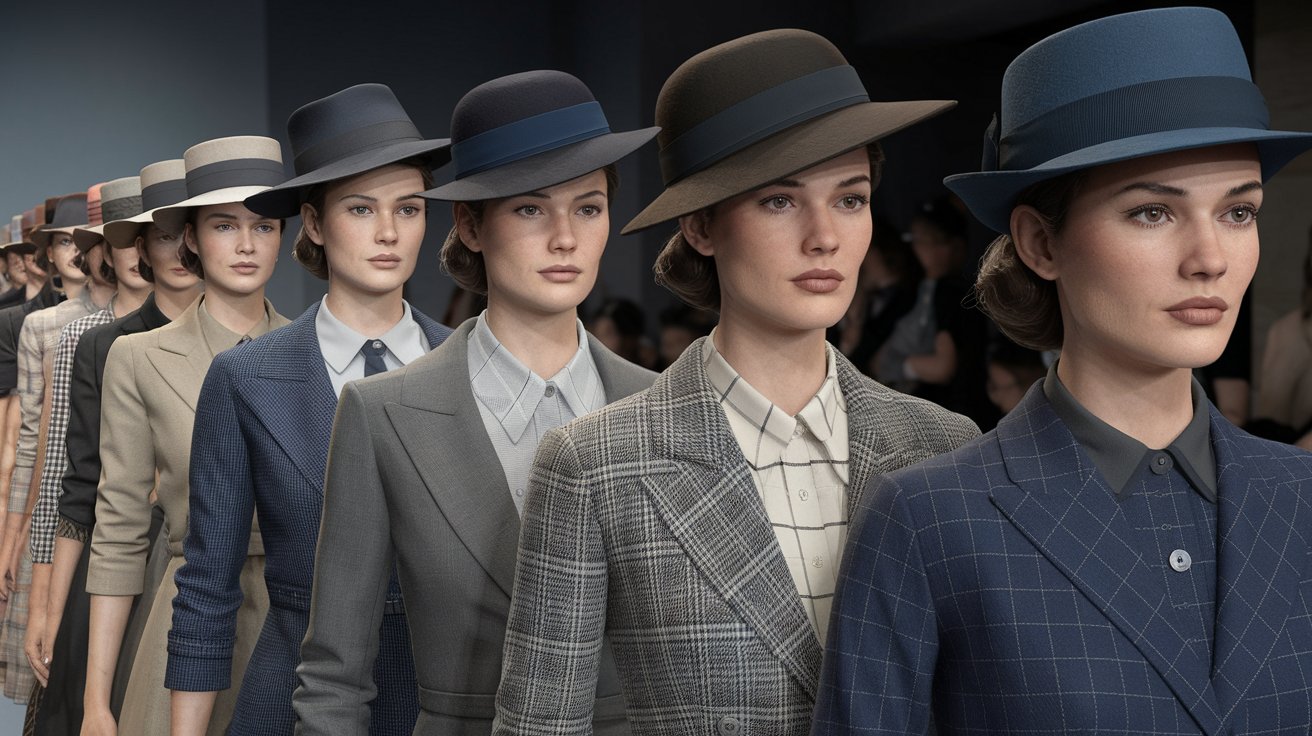
Modern designers frequently reference 1940s hat styles in their collections, demonstrating the enduring appeal of this era’s aesthetic principles. From runway shows to street style, elements of wartime millinery continue to appear, proving that the innovative spirit and timeless elegance of vintage fashion from this decade remains relevant and inspiring to new generations of fashion enthusiasts and designers worldwide.
Related video about 1940s women’s hats
This video complements the article information with a practical visual demonstration.
What you should know
What were the most popular 1940s women’s hat styles?
The most popular 1940s women’s hat styles included berets, turbans, pillbox hats, and close-fitting cloches. Berets were versatile and practical, turbans offered glamorous functionality for working women, pillbox hats provided sophisticated elegance for dressy occasions, and cloches remained fashionable carryovers from the 1920s and 1930s, adapted for wartime practicality.
How did World War II affect 1940s hat fashion?
World War II significantly impacted 1940s hat fashion through fabric rationing and material restrictions imposed by the War Production Board. This led to smaller hat silhouettes using less fabric, creative use of alternative materials like straw and synthetics, and innovative construction techniques. Despite limitations, milliners maintained high quality standards and created elegant designs that balanced practicality with style.
What materials were commonly used in 1940s women’s hats?
Common materials for 1940s women’s hats included wool felt for structured styles, cotton and synthetic fabrics for casual wear, and straw for warm weather. Due to wartime rationing, milliners also used unconventional materials like paper, rope, and recycled elements. Quality construction remained important, with hand-sewing techniques and traditional blocking methods maintaining high standards despite material constraints.
How can I style a vintage 1940s hat with modern clothing?
To style vintage 1940s hats with modern clothing, pair pillbox hats with tailored blazers or shift dresses, wear berets with casual denim and sweaters, and match turbans with contemporary work attire. Consider period-appropriate hairstyles like victory rolls or pin curls, and keep makeup simple with emphasis on eyes and lips to create a cohesive vintage-inspired look.
Are authentic 1940s hats valuable to collectors?
Yes, authentic 1940s hats are highly valuable to collectors, with prices ranging from hundreds to thousands of dollars depending on condition, designer, and rarity. Factors affecting value include original construction quality, historical significance, provenance, and preservation condition. Designer pieces and unusual styles command premium prices at auction houses and vintage boutiques across the United States.
How should I care for and store vintage 1940s hats?
Proper care for vintage 1940s hats requires controlled storage conditions with stable temperature and humidity, protection from direct sunlight, and appropriate support using hat blocks or tissue paper. Professional cleaning should be considered for valuable pieces, and restoration work should only be done by qualified vintage textile specialists to preserve both value and historical integrity.
| Hat Style | Key Characteristics | Modern Styling Benefit |
|---|---|---|
| 1940s Beret | Soft wool felt, worn tilted, versatile sizing | Perfect for casual modern outfits and weather protection |
| Turban Hat | Wrapped fabric design, decorative elements, hair protection | Ideal for contemporary workwear and statement styling |
| Pillbox Hat | Cylindrical shape, formal styling, decorative potential | Excellent for special occasions and professional attire |
| Cocktail Hat | Dramatic angles, luxury materials, evening appropriate | Outstanding for formal events and vintage-inspired looks |