1930s Vintage Women’s Hats: Authentic Styles & Where to Find
The vintage women’s hats from the 1930s represent one of the most elegant and distinctive periods in fashion history. These sophisticated accessories featured dramatic brims, luxurious materials, and intricate details that perfectly complemented the era’s glamorous aesthetic. From the iconic cloche to statement picture hats, 1930s millinery reflected both the economic constraints and creative innovations of the Great Depression era.
Iconic 1930s Women’s Hat Styles
The decade of the 1930s introduced several revolutionary hat designs that became timeless classics. The most prominent style was the cloche hat, which evolved from the 1920s but gained deeper crowns and wider brims during the 1930s. These hats were typically worn tilted at an angle and often featured decorative ribbons or brooches.
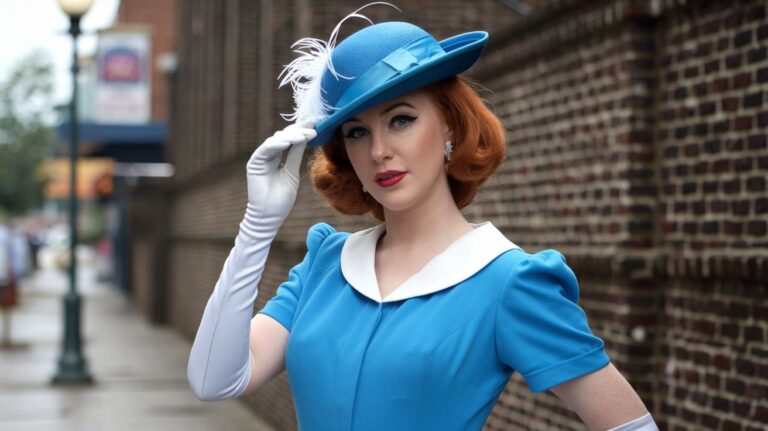
Picture hats gained popularity for formal occasions, featuring dramatically wide brims that framed the face beautifully. These elegant accessories were often adorned with flowers, feathers, or silk scarves, making them perfect for garden parties and afternoon tea events that were popular among American society women.
The Evolution of the Cloche Hat
The 1930s cloche hat underwent significant transformations compared to its 1920s predecessor. Designers began creating deeper crowns that accommodated the era’s longer hairstyles, while brims became more varied in width. Materials ranged from felt and velvet for winter to lightweight straw and cotton for summer wear, with prices typically ranging from $2 to $8 in 1930s currency.
Formal Picture Hats and Their Occasions
Picture hats served as statement pieces for formal 1930s events, with brims often measuring 4 to 6 inches wide. These hats were essential for wealthy American women attending horse races, garden parties, and society luncheons. The most luxurious versions featured imported silk flowers from France and cost between $15 to $50, equivalent to several hundred dollars today.
Materials and Construction Techniques
High-quality 1930s vintage women’s hats were crafted using traditional millinery techniques that emphasized durability and elegance. Felt hats were made from rabbit or beaver fur, while summer hats utilized natural straw, cotton, and lightweight wool. The construction process involved hand-blocking over wooden forms, ensuring each hat maintained its distinctive shape for decades.
Trimming materials reflected both luxury and economic practicality of the era. Genuine vintage 1930s hats often featured grosgrain ribbons, silk flowers, feathers from domestic birds, and occasionally precious metal buckles or brooches. The quality of these materials serves as a key authentication factor when evaluating vintage pieces today.
Color Trends and Seasonal Variations
Color palettes for 1930s women’s hats reflected both fashion trends and practical considerations of the era. Deep jewel tones like emerald green, sapphire blue, and burgundy dominated autumn and winter collections, while spring and summer brought lighter shades including cream, pale pink, and lavender.
Black remained the most versatile and popular color for vintage 1930s hat styles, suitable for both day and evening wear. Navy blue followed as a close second, particularly favored by working women who needed hats that complemented their professional wardrobes. Brown and gray provided excellent neutral options that paired well with the earth-toned clothing popular during the Depression era.
Authenticating Genuine 1930s Vintage Hats
Identifying authentic vintage women’s hats from the 1930s requires careful examination of construction details, materials, and style elements. Genuine pieces typically feature hand-sewn labels with manufacturer names like Lily Dache, John-Frederics, or Lilly Dache, along with size markings that correspond to 1930s sizing standards.
The quality of stitching provides crucial authentication clues, as authentic 1930s hat construction involved meticulous hand-finishing techniques. Look for silk thread used in seams, hand-sewn sweatbands made of leather or silk, and millinery wire that maintains structural integrity after 90+ years.
Key Construction Details to Examine
Examine the interior construction of vintage 1930s hats for telltale signs of authentic period manufacturing. Original sweatbands were typically made of leather or silk with cotton backing, often stamped with the hat size using numerical systems different from modern sizing. Hand-sewn petersham ribbons and silk linings indicate quality construction typical of the era.
Material Authentication Methods
Authentic materials in 1930s women’s vintage hats include specific types of felt made from rabbit or beaver fur, natural straw varieties like Milan and Bangkok weaves, and silk ribbons with period-appropriate textures. Modern synthetic materials were not available during the 1930s, making their presence an immediate indicator of reproduction pieces.
Where to Find Authentic 1930s Vintage Hats
The market for authentic 1930s vintage women’s hats has grown significantly, with prices ranging from $75 for basic felt cloches to over $800 for designer picture hats in excellent condition. Estate sales, antique clothing shows, and specialized vintage boutiques offer the best opportunities to find genuine pieces with proper provenance documentation.
Online platforms have expanded access to vintage 1930s hat collections, though buyers must exercise caution regarding authenticity claims. Reputable sellers provide detailed photographs showing construction details, measurements, and condition reports. Expect to pay premium prices for hats with original hat boxes or documentation proving their 1930s origin.
Care and Preservation of Vintage 1930s Hats
Proper storage and maintenance ensure vintage 1930s women’s hats retain their value and wearability for future generations. Store hats on appropriately sized hat blocks or acid-free tissue paper forms to maintain their shape. Avoid direct sunlight, extreme temperatures, and humid environments that can damage delicate materials like silk and felt.
Professional cleaning services specializing in vintage hat restoration offer the safest approach for valuable pieces. Home care should be limited to gentle dusting with soft brushes and spot cleaning with appropriate solvents. Never attempt to reshape a vintage hat using steam or heat, as these processes can permanently damage period construction materials.
Styling 1930s Vintage Hats for Modern Wear
Incorporating authentic 1930s vintage hats into contemporary wardrobes requires understanding both historical context and modern fashion sensibilities. These elegant accessories complement tailored blazers, vintage-inspired dresses, and sophisticated casual wear. The key is balancing the hat’s period character with current styling preferences.
Modern wearers of 1930s women’s vintage hats often find that simpler outfits provide the best canvas for these statement accessories. A classic trench coat, well-fitted jeans, or a simple dress allows the hat to serve as the focal point while maintaining the sophisticated elegance that defined 1930s fashion.
Related video about vintage women’s hats 1930s
This video complements the article information with a practical visual demonstration.
Frequently Asked Questions
How can I tell if a 1930s women’s hat is authentic?
Examine the construction details including hand-sewn labels, silk thread stitching, and leather or silk sweatbands. Authentic 1930s hats feature specific millinery techniques, period-appropriate materials like rabbit felt or natural straw, and sizing systems different from modern standards. Look for manufacturer names like Lily Dache or John-Frederics, and avoid pieces with synthetic materials that weren’t available in the 1930s.
What are the most valuable 1930s vintage women’s hat styles?
Designer picture hats with wide brims and elaborate trimmings command the highest prices, often $500-800 for pieces by renowned milliners. Cloche hats in excellent condition with original hat boxes range from $150-400. Hats with documented provenance, celebrity connections, or rare materials like imported silk flowers significantly increase value in today’s vintage market.
How should I care for and store my 1930s vintage hat?
Store on appropriately sized hat blocks or stuff with acid-free tissue paper to maintain shape. Keep in cool, dry environments away from direct sunlight. For cleaning, use only gentle dusting with soft brushes and consider professional restoration services for valuable pieces. Never use steam or heat to reshape, as this can permanently damage period construction materials.
Where can I buy authentic 1930s women’s vintage hats?
Estate sales, antique clothing shows, and specialized vintage boutiques offer the best selection with proper authentication. Online platforms expand options but require careful verification of seller reputation and detailed examination of photographs. Expect to pay $75-800 depending on condition, designer, and rarity, with documented provenance adding significant value.
What colors were most popular for 1930s women’s hats?
Black dominated as the most versatile choice for both day and evening wear, followed by navy blue which was favored by working women. Seasonal trends included jewel tones like emerald, sapphire, and burgundy for fall/winter, while spring/summer featured cream, pale pink, and lavender. Brown and gray served as practical neutral options during the Depression era.
Can I wear a 1930s vintage hat with modern clothing?
Absolutely! 1930s vintage hats complement contemporary wardrobes beautifully when styled thoughtfully. Pair with tailored blazers, vintage-inspired dresses, or sophisticated casual wear. Keep the rest of your outfit simple to let the hat serve as a statement piece while maintaining the elegant sophistication that characterized 1930s fashion.
| Hat Style | Key Features | Current Value Range |
|---|---|---|
| Cloche Hat | Deep crown, tilted wear, ribbon trim | $75-400 |
| Picture Hat | Wide brim, formal occasions, elaborate trim | $300-800 |
| Designer Pieces | Lily Dache, John-Frederics labels | $500-1200 |