1930s Hair and Makeup: Authentic Vintage Beauty Guide 2025
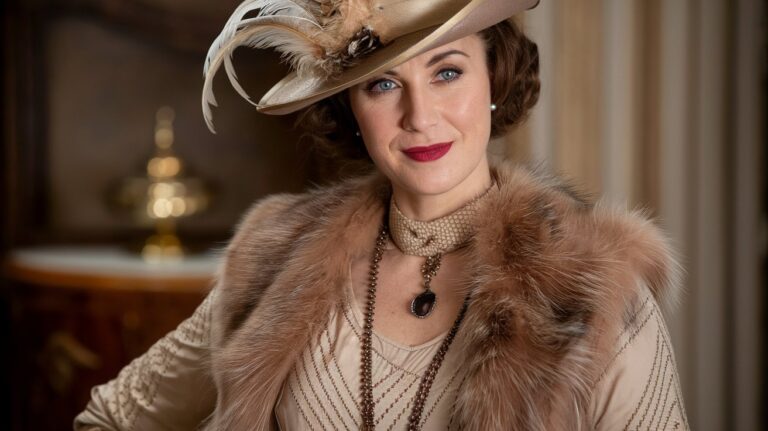
The 1930s hair and makeup era defined timeless elegance with sophisticated finger waves, bold red lips, and dramatically defined eyebrows. This comprehensive guide reveals authentic techniques to recreate the glamorous beauty standards that dominated Hollywood’s Golden Age, from Jean Harlow’s platinum waves to Greta Garbo’s mysterious allure.
Iconic 1930s Hairstyles and Techniques
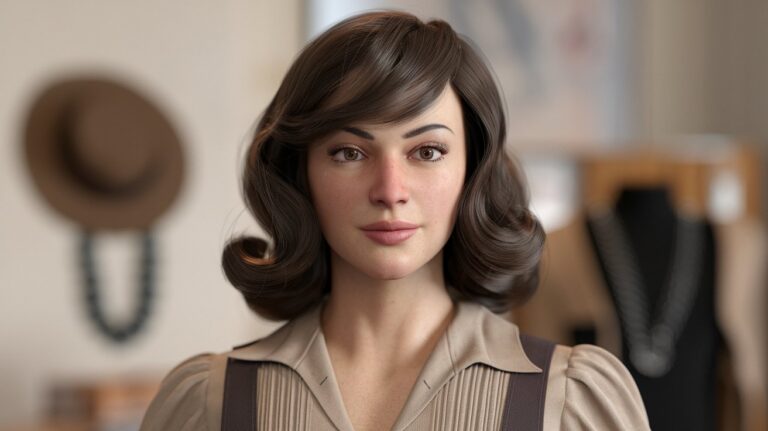
The decade’s most distinctive 1930s hairstyles featured carefully sculpted waves that hugged the head closely, creating an elegant silhouette. Women abandoned the loose, boyish cuts of the 1920s in favor of longer, more feminine styles that emphasized sophisticated glamour. Professional salons charged between $0.75 to $1.50 for Marcel waving services, making these elaborate styles accessible to middle-class American women.
Hair length typically ranged from chin to shoulder level, with finger waves being the most popular styling method. The technique required setting lotion, steel combs, and precise finger positioning to create the characteristic S-shaped curves. Most women visited beauty parlors weekly to maintain these intricate styles, as home maintenance proved challenging without proper tools and expertise.
Finger Waves: The Signature 1930s Look
Creating authentic finger waves required specific techniques that professional hairstylists mastered through extensive training. The process began with damp hair treated with setting lotion, followed by combing sections into precise S-curves using steel combs and finger pressure. Each wave was secured with metal clips until completely dry, typically taking 2-3 hours for a full head. Modern recreations use mousse or gel instead of traditional setting lotions, but the fundamental technique remains unchanged for achieving that distinctive 1930s hair appearance.
Marcel Waves and Hot Iron Styling
The Marcel wave technique utilized heated irons to create deeper, more dramatic waves than finger waving allowed. Professional beauticians heated Marcel irons over gas flames, testing temperature on paper strips before applying to hair. This method produced longer-lasting results but required considerable skill to avoid burning hair or scalp. The technique created the voluminous, sculptural waves seen on Hollywood stars like Joan Crawford and Norma Shearer, making it the preferred choice for special occasions and formal events.
Essential 1930s Makeup Elements
The 1930s makeup look emphasized dramatic contrasts with pale powder, bold red lips, and precisely defined features. American cosmetics companies like Max Factor, Revlon, and Elizabeth Arden dominated the market, introducing new formulations specifically designed for cinema and everyday wear. The average woman spent approximately $12 annually on cosmetics during this decade, equivalent to roughly $240 in today’s currency.
Foundation techniques focused on achieving an even, matte complexion using powder compacts and rouge applied high on the cheekbones. Eye makeup remained relatively subtle compared to lip emphasis, with thin eyebrow lines and minimal eye shadow. The overall effect created sophisticated elegance that complemented the era’s fashion silhouettes and social expectations for feminine presentation.
The Perfect 1930s Complexion
Achieving the ideal 1930s complexion required multiple powder applications throughout the day, as matte finishes were essential to the period aesthetic. Women used loose face powder in shades lighter than their natural skin tone, creating an almost porcelain-like appearance. Rouge was applied sparingly to the apples of the cheeks and blended upward toward the temples, avoiding the doll-like circular application of the previous decade. This technique created subtle contouring that enhanced bone structure while maintaining the era’s preference for refined, understated glamour.
Bold Lips: The 1930s Statement Feature
The 1930s lip look featured deep red shades applied with precision using lip brushes and stencils for perfect shape definition. Popular colors included Cherry Red, Dragon’s Blood, and Tangee Red, with formulations that provided longer wear than previous oil-based products. The cupid’s bow was often overdrawn slightly to create a more pronounced heart shape, while the lower lip was kept full and rounded. Lip liner became essential for maintaining crisp edges, and many women carried compact mirrors and lipstick for frequent touch-ups throughout the day.
1930s Eyebrow and Eye Makeup Trends
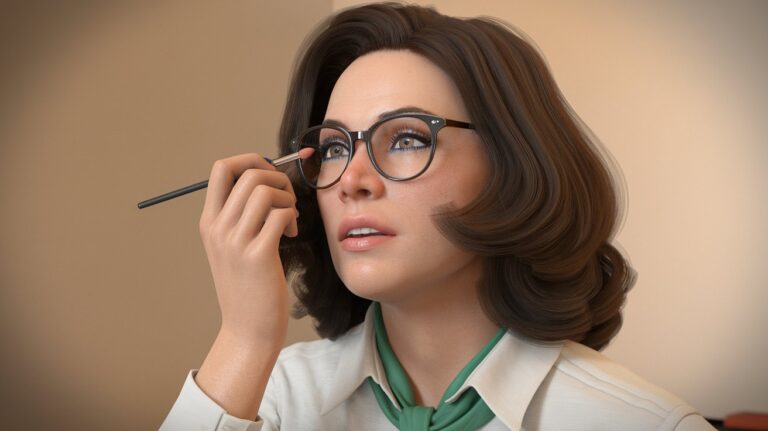
The 1930s eyebrow style marked a dramatic departure from the thin, straight lines of the 1920s, featuring more arched shapes that followed natural brow bones. Women used eyebrow pencils in brown or black to create precise, sculptural lines that extended slightly beyond the natural brow length. The arch was positioned directly above the pupil when looking straight ahead, creating a sophisticated frame for the eyes.
Eye makeup during this period emphasized natural beauty with subtle enhancements rather than dramatic color application. Mascara was applied primarily to upper lashes, often using cake formulas mixed with water or petroleum jelly. Eye shadow, when used, appeared in neutral brown tones applied close to the lash line, creating depth without obvious color contrast.
Hollywood Influence on 1930s Beauty Standards
Movie stars like Jean Harlow, Greta Garbo, and Joan Crawford directly influenced mainstream beauty trends through their on-screen appearances and publicity photographs. Max Factor’s makeup techniques for Technicolor films required specific color formulations that later became available to consumers. The studio system employed teams of hairstylists and makeup artists who developed signature looks for each star, which were then copied by women across America through fan magazines and beauty parlor recreations.
Hollywood’s impact extended beyond individual looks to establish comprehensive beauty standards that emphasized sophistication and glamour. Studios released detailed beauty guides featuring step-by-step instructions for recreating star looks, contributing to a more standardized approach to feminine grooming. This mass media influence helped establish the cosmetics industry as a major economic force, with annual sales reaching $150 million by 1939.
Popular Hair Colors and Treatments of the 1930s
The 1930s hair color preferences ranged from natural brunettes to dramatic platinum blondes, influenced heavily by Hollywood stars. Jean Harlow’s platinum blonde hair created such demand that beauty salons across America offered bleaching services despite the harsh chemicals involved. Professional treatments used ammonia-based bleaches that often damaged hair severely, leading to recommendations for protective oils and conditioning treatments.
Natural hair colors remained popular among working women who couldn’t afford frequent salon visits or risk hair damage. Henna treatments provided reddish tints for brunettes, while lemon juice and chamomile offered subtle highlighting for lighter hair. Professional colorists charged premium prices for bleaching services, typically $3-5 for a full head treatment, making dramatic color changes a luxury reserved for special occasions or wealthy clients.
1930s Hair Accessories and Styling Tools
Essential 1930s hair accessories included decorative combs, hair nets, and elaborate pins that complemented the era’s sophisticated hairstyles. Evening wear often featured jeweled hair ornaments, beaded headbands, and feather accessories that added glamour to formal updos. Daytime styles incorporated more practical accessories like fabric-covered bobby pins and invisible hairnets that maintained wave patterns throughout the day.
Professional styling required specialized tools and equipment including Marcel irons, steel combs, setting clips, and professional-grade setting lotions. Home styling kits became popular consumer items, featuring smaller versions of salon tools and detailed instruction booklets. The average home kit cost $2-4 and included finger wave combs, bobby pins, and hair setting solution sufficient for several styling sessions.
Day vs Evening 1930s Beauty Looks
Daytime 1930s beauty emphasized subtle elegance with natural-looking waves, light powder application, and moderate lip color in rose or coral tones. Working women required styles that would maintain their shape throughout long days, leading to simpler wave patterns and more durable makeup formulations. Professional women often chose shorter hairstyles that required less maintenance while still conforming to period beauty standards.
Evening looks allowed for more dramatic makeup and hair styling with deeper wave patterns, bolder lip colors, and additional hair accessories. Special occasions called for elaborate updos featuring multiple wave sections pinned into sophisticated arrangements. Evening makeup included slightly more eye emphasis with darker mascara and subtle eye shadow, while maintaining the era’s characteristic pale complexion and defined lip shape.
Modern Recreation of 1930s Hair and Makeup
Contemporary enthusiasts recreating authentic 1930s looks benefit from improved products and safer techniques while maintaining period accuracy. Modern setting lotions provide better hold without the harsh chemicals used historically, while synthetic brushes offer precise application for makeup techniques. Professional vintage stylists recommend practicing finger wave techniques on mannequin heads before attempting the look for special events or photoshoots.
Today’s vintage beauty community shares techniques through online tutorials, specialized workshops, and vintage beauty competitions held across the United States. Modern practitioners often modify historical techniques for contemporary hair health, using heat protectants with Marcel irons and gentler bleaching processes for platinum effects. This approach maintains visual authenticity while protecting hair from the damage commonly experienced in the original era.
Related video about 1930s hair and makeup
This video complements the article information with a practical visual demonstration.
What you should know
How long did 1930s hairstyles typically last?
Professional 1930s finger waves lasted 5-7 days with proper care, including sleeping in hair nets and avoiding moisture. Marcel waves could last up to 10 days due to the deeper wave pattern created by heated irons. Most women visited beauty salons weekly for complete restyling, with touch-ups performed at home using setting lotion and bobby pins between appointments.
What were the most popular 1930s makeup colors?
The 1930s featured predominantly red lip colors including Cherry Red, Dragon’s Blood, and Tangee Red. Eye makeup used neutral brown shades when applied, while cheek colors ranged from soft rose to deeper coral tones. Foundation and powder were typically one shade lighter than natural skin tone to achieve the era’s characteristic pale complexion.
How much did 1930s beauty treatments cost?
Professional Marcel waving cost $0.75-$1.50 per session, while complete hair bleaching treatments ranged from $3-5. The average American woman spent approximately $12 annually on cosmetics, equivalent to about $240 in today’s currency. Home styling kits cost $2-4 and included basic tools and products for maintaining looks between salon visits.
What tools were essential for 1930s hair styling?
Essential 1930s hair tools included steel combs for finger waving, Marcel irons for heated styling, metal clips for setting waves, and professional-grade setting lotions. Home kits contained smaller versions of these tools plus bobby pins, hair nets, and instruction booklets. Professional salons used gas-heated irons and specialized wave clamps for precise styling results.
How can I safely recreate 1930s hair colors today?
Modern recreation of 1930s platinum blonde requires professional colorists using gentle bleaching techniques with protective treatments. Contemporary ammonia-free bleaches and toning processes achieve period-accurate colors without the severe hair damage common in the 1930s. Temporary color options include quality wigs, clip-in extensions, or semi-permanent dyes for special occasions.
Which Hollywood stars most influenced 1930s beauty trends?
Jean Harlow popularized platinum blonde hair and bold makeup, while Greta Garbo influenced sophisticated eyebrow shapes and mysterious eye looks. Joan Crawford established dramatic wave patterns and precise lip shapes. These stars worked with Max Factor and other industry professionals to create signature looks that became mainstream beauty standards across America during the decade.
| Beauty Element | 1930s Technique | Modern Benefits |
|---|---|---|
| Finger Waves | Steel combs, setting lotion, 2-3 hours styling | Timeless elegance, versatile for formal events |
| Bold Red Lips | Precise brush application, lip stencils | Classic glamour, enhances facial features |
| Defined Eyebrows | Pencil shaping, architectural arches | Face framing, sophisticated appearance |
| Pale Complexion | Light powder, matte finish | Refined look, emphasizes other features |