Did Flappers Wear Stockings? 1920s Fashion Facts Revealed
Yes, flappers did wear stockings, but they revolutionized how women wore them in the 1920s. Unlike their Victorian predecessors who concealed stockings beneath long skirts, flappers boldly displayed their hosiery with shorter hemlines, making stockings a visible fashion statement that challenged traditional modesty standards.
The Revolutionary Role of Stockings in Flapper Fashion
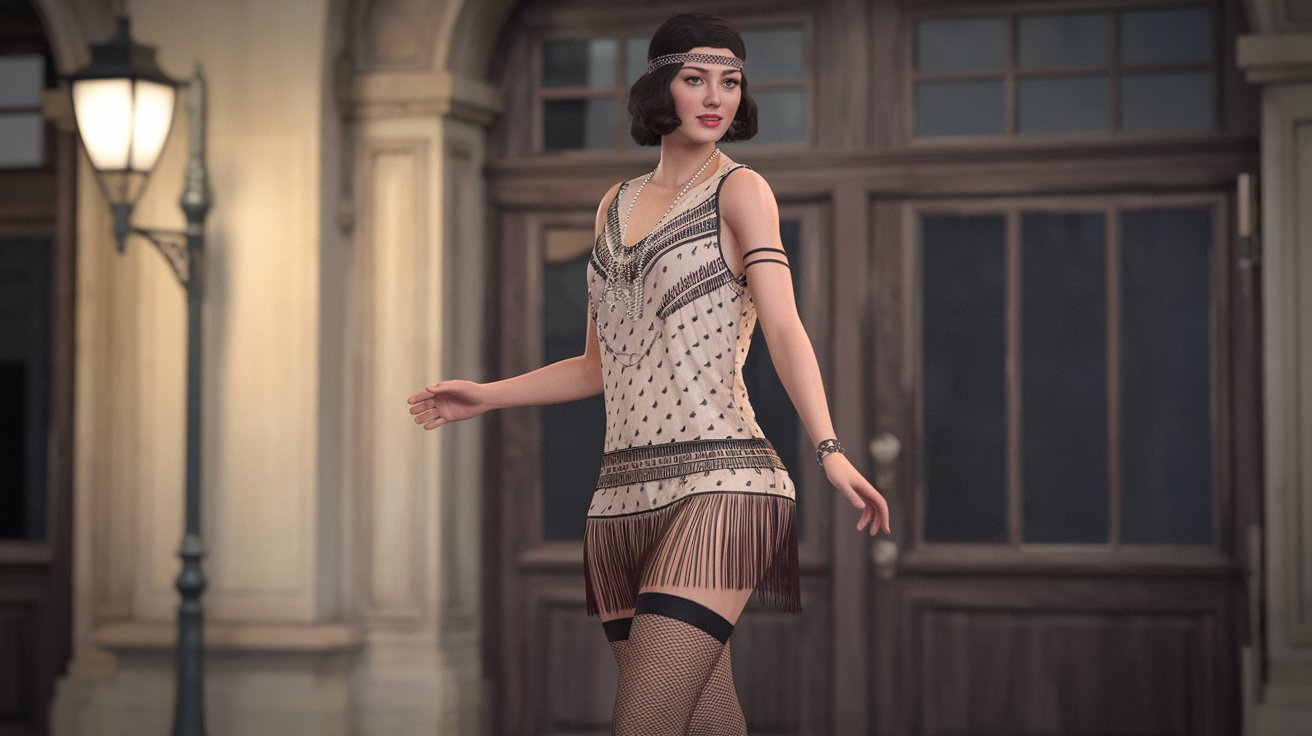
Stockings became a crucial element of the flapper’s rebellious wardrobe during the Jazz Age. While proper Victorian ladies kept their hosiery hidden, flappers intentionally showcased their stockings as part of their defiant fashion statement. The shorter hemlines of flapper dresses, which typically fell at or just below the knee, made stockings highly visible for the first time in American women’s fashion history.
The visibility of stockings represented more than just a fashion choice; it symbolized women’s newfound freedom and willingness to challenge societal expectations. Flapper stockings became a visual declaration of independence from restrictive Victorian dress codes that had dominated American fashion for decades.
Types of Stockings Flappers Preferred
Silk stockings were the gold standard among fashionable flappers, offering a luxurious sheen that complemented their glamorous lifestyle. Rayon stockings provided a more affordable alternative that still delivered the smooth appearance flappers desired. Cotton stockings, while practical for everyday wear, were generally considered too plain for the sophisticated flapper aesthetic.
Popular Colors and Patterns
Flesh-toned or nude stockings dominated flapper fashion, creating the illusion of bare legs while maintaining some level of propriety. Black stockings remained popular for evening wear and formal occasions, while colored stockings in shades like tan, beige, and even bold colors like red or purple allowed flappers to express their individuality and rebellious spirit.
How Flappers Wore Their Stockings Differently
Flappers transformed stocking-wearing conventions by deliberately making their hosiery visible and fashionable. Unlike previous generations who carefully concealed stockings under floor-length skirts, flapper women proudly displayed their stockings beneath knee-length dresses and skirts. This dramatic shift in hemlines made stockings an essential fashion accessory rather than a hidden undergarment.
The way flappers secured their stockings also differed significantly from traditional methods. Garter belts and rolled stockings became fashionable accessories in their own right, with many flappers rolling their stockings down to just below the knee for a more casual, rebellious look that shocked conservative society members.
The Rolled Stocking Trend
One of the most iconic flapper stocking styles involved rolling stockings down to create a visible band just below the knee. This deliberate styling choice emphasized the legs and created a casual, carefree appearance that perfectly embodied the flapper spirit of freedom and rebellion against formal dress codes.
Stocking Accessories and Details
Flappers often accessorized their stockings with decorative garters, ribbons, and even small bows. Seamed stockings were particularly popular, with the back seam serving as both a practical construction element and a fashionable detail that drew attention to the legs when properly aligned.
The Social Impact of Visible Stockings
The decision by flappers to display their stockings publicly created significant social controversy in 1920s America. Conservative groups and religious organizations condemned the practice as immoral and inappropriate, while progressive women celebrated it as a symbol of liberation and personal choice. This debate reflected larger cultural tensions between traditional values and modern attitudes during the Roaring Twenties.
Newspapers and magazines regularly featured articles debating the appropriateness of visible stockings, with some publications supporting the new fashion trends while others criticized them as signs of moral decay. Fashion editors played crucial roles in legitimizing flapper stocking styles by featuring them in major publications and presenting them as sophisticated rather than scandalous.
Stocking Materials and Manufacturing in the 1920s
The 1920s marked significant advances in stocking manufacturing technology, making high-quality hosiery more accessible to average American women. Silk production improvements reduced costs while maintaining luxury appeal, allowing more flappers to afford fashionable stockings. The introduction of rayon, often called artificial silk, provided an even more affordable option that closely mimicked silk’s appearance.
Manufacturing innovations during this period included improved knitting techniques that created smoother, more durable stockings. American hosiery companies expanded rapidly during the 1920s to meet growing demand from fashion-conscious women who viewed quality stockings as essential wardrobe investments rather than simple undergarments.
Quality Differences in 1920s Stockings
Premium silk stockings offered superior durability and appearance but came at higher prices that limited their accessibility. Mid-range rayon stockings provided excellent value for everyday wear, while budget cotton options served working-class women who still wanted to participate in flapper fashion trends within their financial means.
Care and Maintenance of Flapper Stockings
Proper stocking care required careful hand washing with gentle soaps and air drying to prevent runs and tears. Flapper women often owned multiple pairs of stockings to ensure they always had backup options, as delicate materials were prone to damage from dancing, walking, and general wear during active social lives.
Regional Variations in Flapper Stocking Styles
Flapper stocking preferences varied significantly across different regions of the United States during the 1920s. Urban areas like New York, Chicago, and Los Angeles embraced bold stocking colors and experimental styles, while rural communities maintained more conservative approaches to hosiery fashion. Southern states often retained traditional modesty standards longer than northern cities.
Climate also influenced regional stocking choices, with warmer southern states favoring lighter materials and colors while northern regions preferred heavier stockings for warmth. West Coast flappers often led fashion trends that eventually spread eastward, particularly in Hollywood where movie stars influenced national fashion preferences.
The Economics of Flapper Stockings
Quality stockings represented a significant expense for many 1920s women, with premium silk pairs costing equivalent to several days’ wages for working-class Americans. Department stores responded by offering payment plans and seasonal sales that made fashionable hosiery more accessible to budget-conscious consumers who wanted to embrace flapper style.
The growing demand for stockings created new employment opportunities in textile manufacturing, particularly for women workers who operated knitting machines and quality control processes. American textile companies invested heavily in stocking production facilities during the 1920s, recognizing the profitable market created by changing fashion trends and women’s increased economic independence.
Related video about did flappers wear stockings
This video complements the article information with a practical visual demonstration.
What you should know
What colors of stockings did flappers typically wear?
Flappers primarily wore flesh-toned or nude stockings to create the illusion of bare legs, which was considered daring for the time. Black stockings remained popular for evening wear, while some bold flappers experimented with colored stockings in shades of tan, beige, red, or purple to express their individuality and rebellious spirit.
Did all flappers wear expensive silk stockings?
No, while silk stockings were preferred by wealthy flappers, many women chose more affordable alternatives. Rayon stockings, often called artificial silk, provided a similar appearance at lower costs. Cotton stockings served working-class women who wanted to participate in flapper fashion trends within their budgets.
Why did flappers roll their stockings down?
Rolling stockings down to just below the knee was a deliberate fashion statement that embodied the flapper spirit of rebellion and casualness. This styling choice emphasized the legs, created a carefree appearance, and directly challenged traditional expectations of proper feminine dress and modesty.
How did society react to flappers showing their stockings?
The visible display of stockings by flappers created significant social controversy in 1920s America. Conservative groups and religious organizations condemned the practice as immoral, while progressive supporters viewed it as a symbol of women’s liberation and personal choice, reflecting broader cultural tensions of the era.
Were seamed stockings popular with flappers?
Yes, seamed stockings were particularly popular among flappers because the back seam served both practical construction purposes and as a fashionable detail. Properly aligned seams drew attention to the legs and added a sophisticated element to the overall flapper look when worn with shorter hemlines.
How did flapper stocking styles vary by region in the US?
Urban areas like New York and Chicago embraced bold colors and experimental styles, while rural communities remained more conservative. Southern states often maintained traditional modesty standards longer, and climate influenced choices, with warmer regions preferring lighter materials and northern areas choosing heavier stockings for warmth.
| Flapper Stocking Aspect | 1920s Details | Cultural Impact |
|---|---|---|
| Visibility | Displayed with knee-length hemlines | Challenged Victorian modesty standards |
| Materials | Silk, rayon, and cotton options | Made fashion accessible across classes |
| Colors | Nude, black, and bold colored varieties | Allowed personal expression and individuality |
| Styling | Often rolled down below the knee | Symbolized rebellion and freedom |