What Colors Did Flappers Wear? 1920s Fashion Guide
Flappers in the 1920s revolutionized fashion with their bold color choices that shocked conservative society. These rebellious young women embraced vibrant hues like emerald green, ruby red, and electric blue, abandoning the muted pastels their mothers favored. Understanding flapper colors reveals how fashion became a powerful tool for expressing newfound freedom and challenging traditional gender roles during the Jazz Age.
Primary Colors in Flapper Fashion
The primary colors flappers wore represented a dramatic departure from Victorian sensibilities. Black became the ultimate statement color, symbolizing sophistication and rebellion against the white and pastel preferences of previous generations. Red dominated evening wear, from crimson lipstick to scarlet beaded dresses that caught speakeasy lights perfectly.
Blue emerged as another favorite flapper color, particularly in deeper shades like navy and midnight blue. These colors complemented the shorter hemlines and dropped waistlines that defined 1920s silhouettes. Green, especially in jade and emerald tones, became synonymous with the era’s prosperity and optimism following World War I.
Signature Flapper Color Combinations
Flapper color combinations were deliberately bold and attention-grabbing, reflecting the era’s spirit of rebellion. Black and white created striking contrast patterns, often seen in geometric Art Deco designs that adorned dresses and accessories. Gold accents paired with deep jewel tones became the hallmark of evening wear, with metallic threads woven into beaded dresses.
The combination of purple and silver gained popularity among fashionable flappers, creating an ethereal yet daring look perfect for dancing the Charleston. Emerald green paired with cream or ivory offered a sophisticated alternative to more dramatic combinations, appealing to flappers who wanted to push boundaries while maintaining some elegance.
Daytime Color Schemes
During daylight hours, flappers chose colors that were bold yet appropriate for public spaces. Navy blue suits with white trim became a staple, offering practicality while maintaining the flapper aesthetic. Burgundy and deep forest green provided rich alternatives to traditional brown and gray, allowing young women to express their modern sensibilities even in conservative settings.
Evening Color Palettes
Evening wear showcased the most dramatic flapper colors, with metallic gold and silver leading the charge. Rich jewel tones like sapphire blue, ruby red, and amethyst purple dominated dance floors and speakeasies. These colors were often enhanced with sequins, beads, and metallic threads that created dazzling effects under artificial lighting.
Makeup and Beauty Color Trends
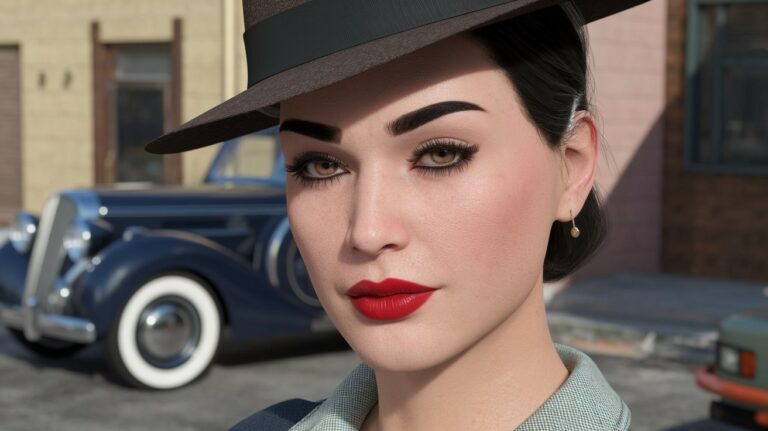
The makeup colors flappers wore were as revolutionary as their clothing choices. Dark kohl-rimmed eyes became the signature look, with deep charcoal and black defining the fashionable ‘bee-stung’ lip shape. Rouge in bright coral and cherry red shades provided dramatic contrast against powder-white complexions that were deliberately artificial-looking.
Flapper lipstick colors included deep burgundy, bright red, and even dark purple for the most daring individuals. Eye makeup featured smoky grays and blacks, with some flappers experimenting with colored eyeshadows in blues and greens. This bold makeup palette complemented the era’s fashion colors and reinforced the flapper’s rejection of natural, modest beauty standards.
Accessories and Color Coordination
Flapper accessories showcased coordinated color schemes that completed their rebellious looks. Long pearl necklaces in cream and ivory provided elegant contrast against dark dresses, while colorful beaded bags featured intricate patterns in multiple hues. Headbands and hair accessories often incorporated metallic threads and jewel-toned beads.
Shoes and stockings offered additional opportunities for color expression in flapper fashion. T-bar shoes came in patent leather black, rich brown, and occasionally bold colors like burgundy or navy. Silk stockings in nude, black, or even colored varieties like beige and tan became essential elements of the complete flapper ensemble.
Jewelry Color Preferences
Flapper jewelry colors emphasized contrast and drama, with long pearl strands in white or cream being the most iconic accessory. Art Deco-inspired pieces featured bold geometric patterns in black, white, and metallic tones. Costume jewelry allowed for experimentation with colored stones and enamel work in vibrant blues, greens, and reds.
Hat and Hair Accessory Colors
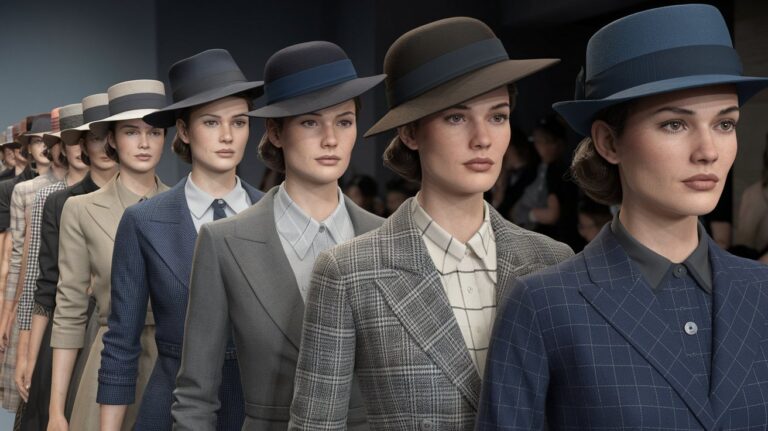
Head accessories in flapper fashion colors complemented the era’s short hairstyles perfectly. Cloche hats in felt came in rich colors like burgundy, forest green, and deep brown, often trimmed with contrasting ribbons or feathers. Headbands featured beadwork in multiple colors, creating intricate patterns that caught light while dancing.
Seasonal Color Variations
Seasonal flapper colors adapted to changing weather while maintaining the era’s bold aesthetic principles. Spring collections featured lighter versions of signature colors, with pastel interpretations of jewel tones becoming acceptable alternatives. Summer wardrobes incorporated white and cream more prominently, though always with bold accent colors to maintain flapper flair.
Fall and winter collections emphasized the deeper flapper colors that became synonymous with the era. Rich burgundy, deep forest green, and luxurious purple dominated cold-weather wardrobes. Black remained a year-round staple, providing the perfect backdrop for seasonal accent colors and metallic embellishments.
Regional Color Preferences in American Flapper Fashion
American flapper colors varied slightly by region, with East Coast cities favoring more sophisticated palettes while West Coast flappers embraced brighter, more experimental hues. New York flappers gravitated toward black and white combinations with metallic accents, reflecting the city’s cosmopolitan atmosphere and Art Deco architectural influences.
Southern flappers incorporated warmer color palettes that complemented the region’s climate and cultural preferences. Deep burgundy, rich gold, and emerald green appeared frequently in Southern flapper wardrobes, often paired with cream or ivory for elegant contrast. These regional variations demonstrated how flapper fashion adapted to local tastes while maintaining its rebellious core identity.
Fabric Colors and Textures
The fabric colors in flapper dresses were enhanced by innovative textile techniques that created new visual effects. Metallic threads woven into silk created shimmering surfaces that changed color under different lighting conditions. Beaded embellishments in multiple colors added texture and movement, essential elements for the dancing that defined flapper culture.
Silk fabrics in flapper colors provided the fluidity necessary for the era’s loose-fitting silhouettes. Chiffon in jewel tones created ethereal effects, while heavier silk crepes in solid colors provided structure for more tailored pieces. These fabric choices reinforced color impact while supporting the functional requirements of 1920s fashion.
Color Symbolism in Flapper Culture
Each color choice in flapper fashion carried specific cultural meanings that reinforced the movement’s rebellious message. Black symbolized sophistication and rejection of innocent white traditionally associated with young women. Red represented passion, independence, and sexual liberation that shocked conservative society members.
Gold and metallic colors reflected the prosperity and optimism of the Roaring Twenties, while jewel tones like emerald and sapphire suggested luxury and worldliness. These color choices communicated flapper values without words, creating a visual language that challenged traditional expectations for young women’s appearance and behavior in American society.
Related video about what colors did flappers wear
This video complements the article information with a practical visual demonstration.
Important things to know about what colors did flappers wear
What was the most popular color for flapper dresses?
Black was the most popular color for flapper dresses, representing sophistication and rebellion against traditional feminine pastels. Black dresses were versatile, flattering, and perfect for evening entertainment in speakeasies and dance halls, often enhanced with metallic beadwork or colorful accessories.
Did flappers wear bright colors during the day?
Flappers wore moderately bright colors during the day, choosing rich jewel tones like navy blue, burgundy, and forest green rather than the muted pastels preferred by previous generations. These colors were bold enough to make a statement while remaining appropriate for daytime activities and professional settings.
What makeup colors defined the flapper look?
Flapper makeup featured dark kohl-rimmed eyes, bright red or burgundy lipstick, and coral or cherry red rouge. The goal was to create an artificial, dramatic appearance that contrasted sharply with the natural beauty standards of previous eras, emphasizing boldness and modernity.
How did flapper colors differ from Victorian fashion?
Flapper colors were dramatically bolder than Victorian fashion, replacing soft pastels and whites with deep jewel tones, black, and metallic accents. While Victorian women wore muted colors to appear modest and innocent, flappers chose vibrant hues to express independence, sophistication, and rebellion against traditional expectations.
What colors did flappers avoid wearing?
Flappers generally avoided soft pastels like baby pink, pale yellow, and light blue, which were associated with traditional feminine innocence. They also steered clear of brown and beige, colors considered too conservative and matronly for their revolutionary aesthetic preferences.
Were there regional differences in flapper color preferences?
Yes, American flapper color preferences varied by region, with East Coast flappers favoring sophisticated black and white combinations with metallic accents, while West Coast flappers embraced brighter experimental hues. Southern flappers incorporated warmer palettes including burgundy, gold, and emerald green, often paired with cream or ivory.
| Color Category | Popular Shades | Cultural Significance |
|---|---|---|
| Primary Colors | Black, Red, Navy Blue | Rebellion and sophistication |
| Jewel Tones | Emerald, Ruby, Sapphire | Luxury and worldliness |
| Metallics | Gold, Silver, Bronze | Prosperity and modernity |
| Makeup Palette | Deep Red, Black Kohl, Coral Rouge | Artificial beauty standards |