When Did Dry Shampoo Come Out? Complete History & Timeline
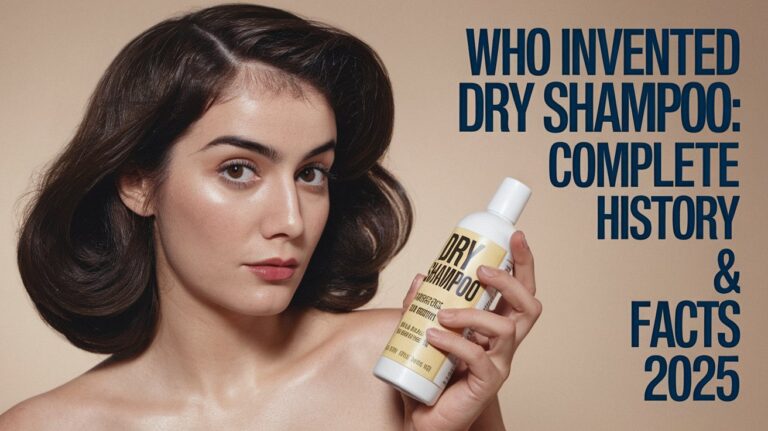
Dry shampoo officially emerged in the early 1970s when Klorane introduced the first commercial aerosol dry shampoo to the mass market. However, the concept of waterless hair cleansing dates back centuries, with various cultures using natural powders and clays. Today’s modern dry shampoo industry, worth over $3.4 billion globally, began its rapid expansion in the United States around 2008-2010.
The Early Origins of Dry Shampoo (Pre-1970s)
Before commercial dry shampoo products existed, people used natural alternatives for centuries. Native American tribes used clay and cornmeal to absorb oils from hair, while Victorian women in the 1800s relied on orris root powder and starch-based mixtures. These early methods were particularly popular during times when water was scarce or when frequent washing was considered unhealthy for hair.
In the early 1900s, women began experimenting with talcum powder and baby powder as makeshift dry cleaning solutions for their hair. However, these methods were messy, difficult to distribute evenly, and often left visible white residue that was challenging to brush out completely.
The Birth of Commercial Dry Shampoo (1970-1980)
The first commercially available dry shampoo was launched by French company Klorane in 1971, marking the official beginning of the modern dry shampoo era. This revolutionary product came in an aerosol can and featured oat milk as its primary active ingredient, designed to absorb excess oil while adding volume to hair.
During the 1970s, several other European brands began developing their own aerosol dry shampoo formulations. However, these early products were primarily marketed in Europe and had limited availability in the United States. The concept remained relatively niche, mainly used by professional hairstylists and theater performers who needed quick touch-ups between shows.
Early Formulation Challenges
The original dry shampoo formulations faced several technical challenges including uneven distribution, visible white residue, and limited effectiveness on different hair colors. Manufacturers spent years perfecting the spray mechanism and developing formulas that could work across various hair types and textures without leaving obvious traces.
Limited Market Acceptance
Despite being available, early dry shampoos struggled to gain widespread consumer acceptance in the United States during the 1970s and 1980s. Many Americans viewed regular shampooing as essential for proper hygiene, and the concept of waterless hair cleaning seemed unconventional and potentially unsanitary to mainstream consumers.
Dry Shampoo Evolution in the 1990s and 2000s
The 1990s brought significant improvements to dry shampoo technology with better aerosol systems and more sophisticated formulations. Companies like Batiste, founded in the UK in 2001, began developing products specifically designed for different hair colors, addressing one of the major consumer complaints about visible residue.
By the early 2000s, dry shampoo brands started gaining traction in professional salons across the United States. Hair stylists began recommending these products to clients as a way to extend the life of blowouts and maintain volume between washing sessions. This professional endorsement helped legitimize dry shampoo as a viable hair care solution.
The American Dry Shampoo Boom (2008-2015)
The real breakthrough for dry shampoo in America came around 2008-2010, coinciding with the economic recession when consumers sought ways to extend salon visits and reduce daily hair washing routines. Social media influencers and beauty bloggers began showcasing dry shampoo as a time-saving styling tool, not just an emergency solution.
Major American beauty companies took notice of this growing trend. Brands like TRESemmé, Pantene, and L’Oréal launched their own dry shampoo lines between 2010-2012, making these products widely available in drugstores and supermarkets across the country. This mainstream availability transformed dry shampoo from a specialty product into a household staple.
Celebrity Endorsements and Media Coverage
High-profile celebrities like Kim Kardashian and Blake Lively publicly praised dry shampoo as their secret to perfect hair, generating massive media attention. Beauty magazines began featuring dry shampoo in their must-have product lists, and professional stylists started using it on red carpets and photo shoots.
Technological Improvements
During this period, dry shampoo formulations became more sophisticated with better oil-absorbing ingredients like rice starch and advanced aerosol delivery systems. Manufacturers also introduced tinted formulas for brunette and dark hair, addressing the long-standing issue of white residue visibility.
Modern Dry Shampoo Market (2015-Present)
Today’s dry shampoo market in the United States is valued at over $900 million as of 2024, with projections to reach $1.2 billion by 2027. The product category has expanded far beyond basic oil absorption, with brands offering specialized formulations for specific hair types, colors, and styling needs.
Innovation continues with waterless hair care technology incorporating natural ingredients like charcoal, clay, and botanical extracts. Sustainable packaging and environmentally conscious formulations have become major selling points, reflecting modern consumer preferences for eco-friendly beauty products.
Premium and Indie Brand Growth
The market has seen explosive growth in premium dry shampoo brands like Ouai, Drybar, and Living Proof, which command higher price points by offering superior performance and luxury packaging. Indie brands have also flourished, creating niche products for specific demographics and hair concerns.
Expansion Beyond Traditional Aerosols
Modern dry shampoo products now include powder formulations, foam versions, and even solid bars that cater to travel restrictions and environmental concerns. Some brands have introduced scalp-care benefits, transforming dry shampoo from a quick fix into a legitimate hair health product.
Key Milestones in Dry Shampoo History
Understanding the timeline of dry shampoo development helps explain how this product category evolved from a niche specialty item to a mainstream beauty essential. Each decade brought significant innovations that addressed consumer concerns and expanded the market reach.
The transformation from messy powder applications to convenient aerosol sprays, and later to sophisticated formulations with scalp benefits, represents decades of research and development in cosmetic chemistry. This evolution continues today with new ingredients and delivery systems being introduced regularly.
Impact on Hair Care Routines in America
The widespread adoption of dry shampoo in American households has fundamentally changed how people approach hair washing and styling. Studies show that the average American now washes their hair 2-3 times per week compared to daily washing in previous decades, largely due to dry shampoo making this reduced frequency possible.
This shift has had broader implications for the beauty industry, with hair care brands reformulating their products to work with less frequent washing schedules. Professional stylists now commonly recommend dry shampoo as part of comprehensive hair care routines rather than emergency solutions.
Related video about when did dry shampoo come out
This video complements the article information with a practical visual demonstration.
Everything you need to know about when did dry shampoo come out
What year did dry shampoo first come out?
Dry shampoo first came out commercially in 1971 when French company Klorane launched the first aerosol dry shampoo. However, the concept became popular in the United States much later, around 2008-2010, when major beauty brands began mass marketing these products to American consumers.
Who invented the first dry shampoo?
Klorane, a French pharmaceutical and cosmetic company, is credited with inventing the first commercial dry shampoo in 1971. Their original formula featured oat milk as the primary active ingredient and was delivered through an aerosol spray system that became the industry standard.
When did dry shampoo become popular in America?
Dry shampoo gained mainstream popularity in America between 2008-2012. The economic recession, combined with social media influence and celebrity endorsements, drove demand. Major brands like TRESemmé and Pantene launched their versions during this period, making dry shampoo widely available in drugstores.
What did people use before commercial dry shampoo?
Before commercial dry shampoo, people used natural alternatives like cornmeal, clay, orris root powder, and talcum powder to absorb oil from hair. Native American tribes and Victorian women commonly used these methods, though they were messy and often left visible white residue.
How big is the dry shampoo market today?
The U.S. dry shampoo market was valued at over $900 million in 2024 and is projected to reach $1.2 billion by 2027. Globally, the waterless hair care market exceeds $3.4 billion, with dry shampoo representing the largest segment of this growing category.
What improvements have been made to dry shampoo since the 1970s?
Modern dry shampoos feature significantly improved formulations with better oil absorption, tinted options for different hair colors, reduced white residue, and additional benefits like scalp care. Delivery systems have evolved to include powders, foams, and solid bars alongside traditional aerosols.
| Era | Key Development | Impact |
|---|---|---|
| 1971 | First commercial dry shampoo by Klorane | Established aerosol delivery system |
| 2008-2010 | American mainstream adoption | Transformed from niche to essential product |
| 2024 | $900M+ U.S. market value | Revolutionized hair washing frequency |