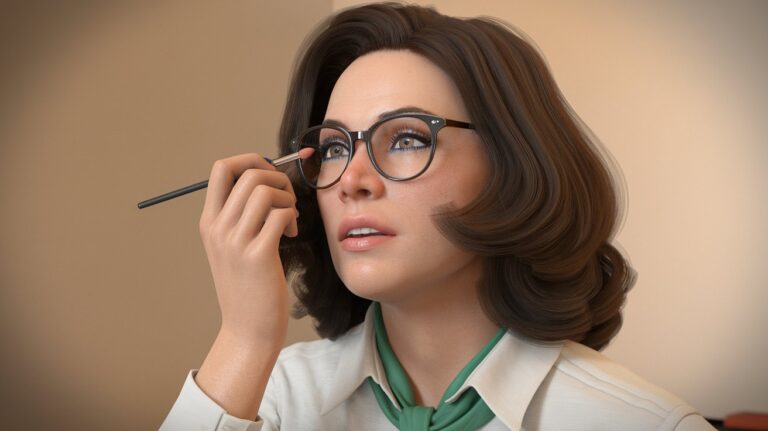
1960s Fashion, Hair & Makeup: Complete Style Guide for Women
The 1960s fashion revolution transformed women’s style with bold geometric patterns, mini skirts, and dramatic makeup looks. This decade introduced mod fashion, space-age designs, and innovative hairstyles that continue to inspire contemporary trends. From Jackie Kennedy’s sophisticated elegance to Twiggy’s youthful rebellion, 1960s style celebrated both classic femininity and avant-garde experimentation.
Revolutionary 1960s Fashion Trends
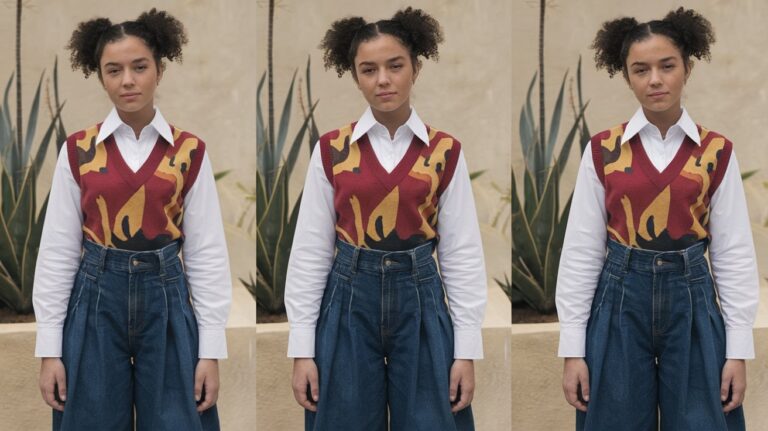
The 1960s fashion scene marked a dramatic departure from the restrictive styles of previous decades. Women embraced mini skirts, A-line dresses, and geometric patterns that reflected the decade’s optimistic, forward-thinking spirit. Designer Mary Quant popularized the mini skirt in London, while André Courrèges introduced space-age fashion with metallic fabrics and futuristic silhouettes. The decade’s fashion emphasized youth culture and rebellion against traditional dress codes.
Key characteristics of 1960s women’s fashion included clean lines, bold colors, and innovative materials. Synthetic fabrics like polyester and vinyl became popular, allowing designers to create structured garments with unusual textures. The shift dress became a wardrobe staple, offering comfort and style in equal measure. Fashion magazines like Vogue championed these new trends, making 1960s style accessible to women across America.
Iconic 1960s Dress Styles
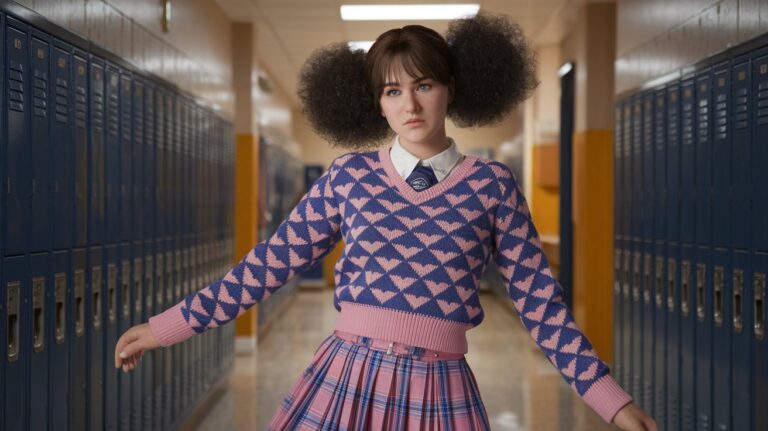
The mod dress dominated 1960s fashion with its simple A-line silhouette and bold patterns. These dresses typically featured high necklines, short hemlines, and geometric designs in contrasting colors. The shift dress offered a more conservative alternative while maintaining the decade’s emphasis on clean, uncluttered lines. Popular patterns included op-art designs, polka dots, and abstract florals that reflected the era’s artistic movements.
Space-Age Fashion Movement
Space-age fashion emerged in the mid-1960s, inspired by the excitement surrounding space exploration. Designers incorporated metallic fabrics, plastic accessories, and unconventional materials into their collections. Silver and white dominated color palettes, while garments featured futuristic details like cut-out designs and architectural shapes. This movement influenced both haute couture and ready-to-wear fashion throughout the decade.
Essential 1960s Wardrobe Pieces
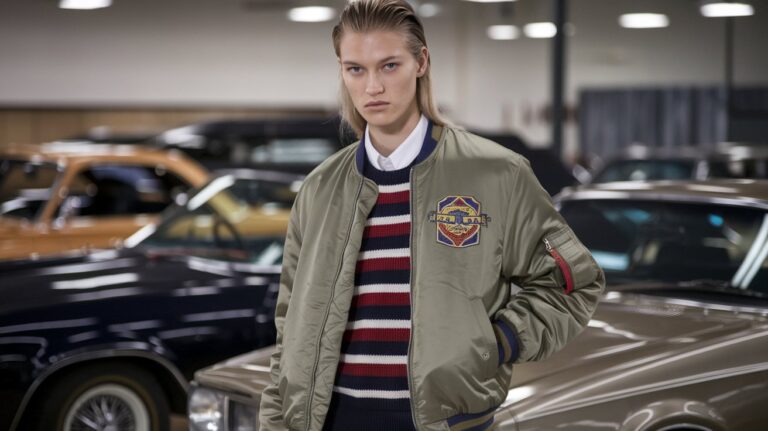
Building an authentic 1960s wardrobe required specific key pieces that captured the decade’s distinctive aesthetic. The mini skirt became the most iconic garment, typically worn 4-6 inches above the knee. Turtleneck sweaters paired perfectly with mini skirts and A-line dresses, creating the sleek silhouettes favored during this period. Go-go boots, typically white or colored vinyl reaching mid-calf, completed the quintessential 1960s look.
Color palettes in 1960s fashion favored bright, saturated hues alongside classic black and white combinations. Hot pink, electric blue, orange, and yellow appeared in bold geometric patterns and solid blocks of color. The decade also embraced monochromatic dressing, where entire outfits were composed of different shades of the same color, creating sophisticated yet playful ensembles.
Iconic 1960s Hairstyles for Women
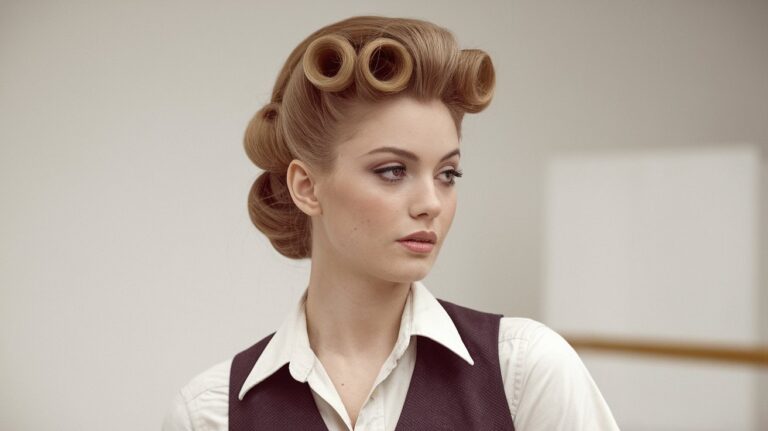
The 1960s hairstyles revolution began with the dramatic beehive, popularized by celebrities like Brigitte Bardot and Priscilla Presley. This voluminous style required extensive teasing and hairspray to achieve its characteristic height and shape. The bouffant hairstyle offered a slightly more conservative alternative, featuring volume at the crown while maintaining a polished appearance suitable for both day and evening wear.
Later in the decade, mod hairstyles like the geometric bob and pixie cut gained popularity. Vidal Sassoon revolutionized hair cutting with his precision techniques, creating sharp, angular styles that complemented the era’s fashion. The Twiggy haircut became synonymous with 1960s youth culture, featuring an ultra-short, boyish cut that emphasized facial features and large, dramatic eye makeup.
The Beehive and Bouffant Styles
The beehive hairstyle required significant preparation and maintenance, involving backcombing, setting with rollers, and liberal use of hairspray. Women often visited salons weekly to maintain this elaborate style. The bouffant variation offered similar volume but with a more natural shape, making it more practical for everyday wear while still capturing the decade’s glamorous aesthetic.
Geometric and Mod Hair Cuts
Geometric haircuts represented a radical departure from traditional feminine styles. These precision cuts featured sharp angles, asymmetrical elements, and bold shapes that complemented mod fashion. The five-point cut and wedge styles became particularly popular among fashion-forward women who embraced the decade’s experimental spirit.
1960s Makeup Trends and Techniques
1960s makeup emphasized dramatic eyes and pale lips, creating a doll-like appearance that complemented the decade’s fashion trends. Heavy black eyeliner, both on upper and lower lids, became the signature look, often extended beyond the natural eye shape. False eyelashes were essential, with many women wearing both upper and lower lashes to achieve maximum impact. White or pale eyeshadow highlighted the entire lid, creating contrast with the dark liner.
The mod makeup look featured geometric designs around the eyes, including painted-on lower lashes and graphic shapes. Foundation was applied heavily to create a porcelain-like complexion, while lips remained nude or pale pink. Contouring techniques were minimal, as the focus remained entirely on creating striking eye makeup that could be seen from a distance and photographed well under bright lights.
Dramatic Eye Makeup Techniques
Creating authentic 1960s eye makeup required specific techniques and products. Women used liquid eyeliner to create thick, graphic lines that extended beyond the outer corner of the eye. Double-cut crease techniques involved applying light eyeshadow above a defined crease line, creating the illusion of larger, more prominent eyes that photographed beautifully.
The Pale Lip Trend
The nude lip trend of the 1960s represented a complete departure from the bold red lips of previous decades. Women used pale pink, beige, or white lipsticks to create an almost colorless mouth. Lip concealer was often applied first to neutralize natural lip color, then topped with pale shades that complemented the dramatic eye makeup without competing for attention.
Celebrity Style Icons of the 1960s
1960s fashion icons shaped the decade’s style through their distinctive looks and public appearances. Jacqueline Kennedy exemplified sophisticated elegance with her tailored suits, pillbox hats, and pearls, influencing formal daywear across America. Twiggy represented the opposite end of the spectrum with her ultra-mod appearance, boyish haircut, and geometric clothing that appealed to younger generations seeking rebellion through fashion.
Other influential figures included Brigitte Bardot, whose tousled hair and sultry makeup inspired a more relaxed interpretation of 1960s glamour. Edie Sedgwick brought avant-garde fashion to mainstream attention through her association with Andy Warhol’s Factory scene. Diana Ross and The Supremes introduced African American audiences to high-fashion interpretations of 1960s trends, proving that the decade’s style revolution transcended racial boundaries.
Colors and Patterns of the 1960s
The 1960s color palette embraced both bold, saturated hues and stark monochromatic schemes. Electric blue, hot pink, orange, and lime green dominated fashion and interior design, reflecting the decade’s optimistic outlook and technological advancement. Op-art patterns featuring black and white geometric designs created visual illusions that complemented the space-age aesthetic popular throughout the period.
Psychedelic patterns emerged later in the decade, incorporating swirling designs and rainbow color combinations inspired by the counterculture movement. Polka dots remained popular but were reimagined in larger scales and unexpected color combinations. Floral patterns took on new interpretations with stylized, graphic representations rather than traditional botanical designs, maintaining the decade’s preference for clean, modern aesthetics.
Accessories That Defined 1960s Style
1960s accessories completed the decade’s distinctive looks with bold, statement pieces that complemented the era’s fashion philosophy. Large, geometric earrings in plastic or metal became essential elements of mod styling. Headbands and hair scarves provided practical solutions for maintaining elaborate hairstyles while adding colorful accents to outfits. White go-go boots remained the most iconic footwear choice, though patent leather pumps and low-heeled Mary Janes also gained popularity.
Handbags in the 1960s featured structured shapes and bold colors that matched or contrasted with outfits. The chain-strap purse became particularly fashionable, offering hands-free convenience for the active lifestyle promoted by the decade’s youth culture. Sunglasses with oversized frames and tinted lenses completed the look while providing practical sun protection for outdoor activities.
How to Recreate 1960s Style Today
Modern women can easily incorporate 1960s fashion elements into contemporary wardrobes through strategic styling choices and key pieces. A well-fitted shift dress in a solid color or geometric pattern serves as an excellent foundation for a mod-inspired look. A-line mini skirts paired with turtlenecks create authentic 1960s silhouettes that work well in professional and casual settings.
For 1960s-inspired makeup, focus on dramatic eye definition using liquid eyeliner and multiple coats of mascara. Modern false eyelashes designed for everyday wear can recreate the doll-like eye effect without the heaviness of vintage options. Nude or pale pink lipsticks complete the look while remaining appropriate for contemporary occasions. When styling hair, consider modern interpretations of classic 1960s cuts that work with current face-framing techniques and low-maintenance styling routines.
Related video about 1960s fashions, hairstyles, and makeup
This video complements the article information with a practical visual demonstration.
Questions & Answers
What were the most popular 1960s fashion trends?
The most popular 1960s fashion trends included mini skirts, A-line shift dresses, mod styling, space-age fashion with metallic fabrics, geometric patterns, and bold color combinations. Go-go boots, turtlenecks, and structured handbags completed the iconic looks of the decade.
How do you do 1960s hairstyles?
Popular 1960s hairstyles included the voluminous beehive created through backcombing and hairspray, the bouffant with crown volume, and geometric cuts like the Twiggy pixie. Modern recreations can use volumizing products, round brushes for lift, and precision cutting techniques for angular styles.
What makeup was popular in the 1960s?
1960s makeup featured dramatic black eyeliner on both upper and lower lids, pale eyeshadow, false eyelashes, and nude or pale pink lips. The goal was to create doll-like eyes with maximum contrast while keeping the complexion porcelain-pale and lips understated.
Who were the biggest 1960s fashion icons?
Major 1960s fashion icons included Twiggy with her mod style and pixie cut, Jackie Kennedy for sophisticated elegance, Brigitte Bardot for relaxed glamour, and Edie Sedgwick for avant-garde fashion. Each represented different aspects of the decade’s diverse style movements.
What colors were popular in 1960s fashion?
Popular 1960s colors included electric blue, hot pink, orange, lime green, and classic black and white combinations. Later in the decade, psychedelic rainbow patterns and op-art geometric designs in contrasting colors became fashionable alongside monochromatic schemes.
How can I dress like the 1960s today?
To dress like the 1960s today, choose A-line mini skirts, shift dresses, turtlenecks, and geometric patterns. Focus on clean lines, bold colors, and structured silhouettes. Complete looks with statement earrings, headbands, and low-heeled pumps or modern interpretations of go-go boots.
| Fashion Element | 1960s Characteristics | Modern Benefits |
|---|---|---|
| Mini Skirts & Shift Dresses | A-line silhouettes, geometric patterns, bold colors | Timeless appeal, flattering fit, versatile styling |
| Beehive & Mod Hairstyles | Volume, geometric cuts, precision styling | Statement looks, face-framing structure |
| Dramatic Eye Makeup | Heavy eyeliner, false lashes, pale lips | Bold definition, photogenic results |
| Go-Go Boots & Accessories | White vinyl, geometric jewelry, structured bags | Statement pieces, outfit completion |