1920s Stockings and Shoes: Authentic Flapper Fashion Guide
The roaring twenties revolutionized women’s fashion, particularly in 1920s stockings and shoes that defined the flapper era. From rolled silk stockings to T-bar shoes, these essential accessories transformed how American women expressed their newfound freedom and style during the Jazz Age.
Essential 1920s Stockings Styles and Materials
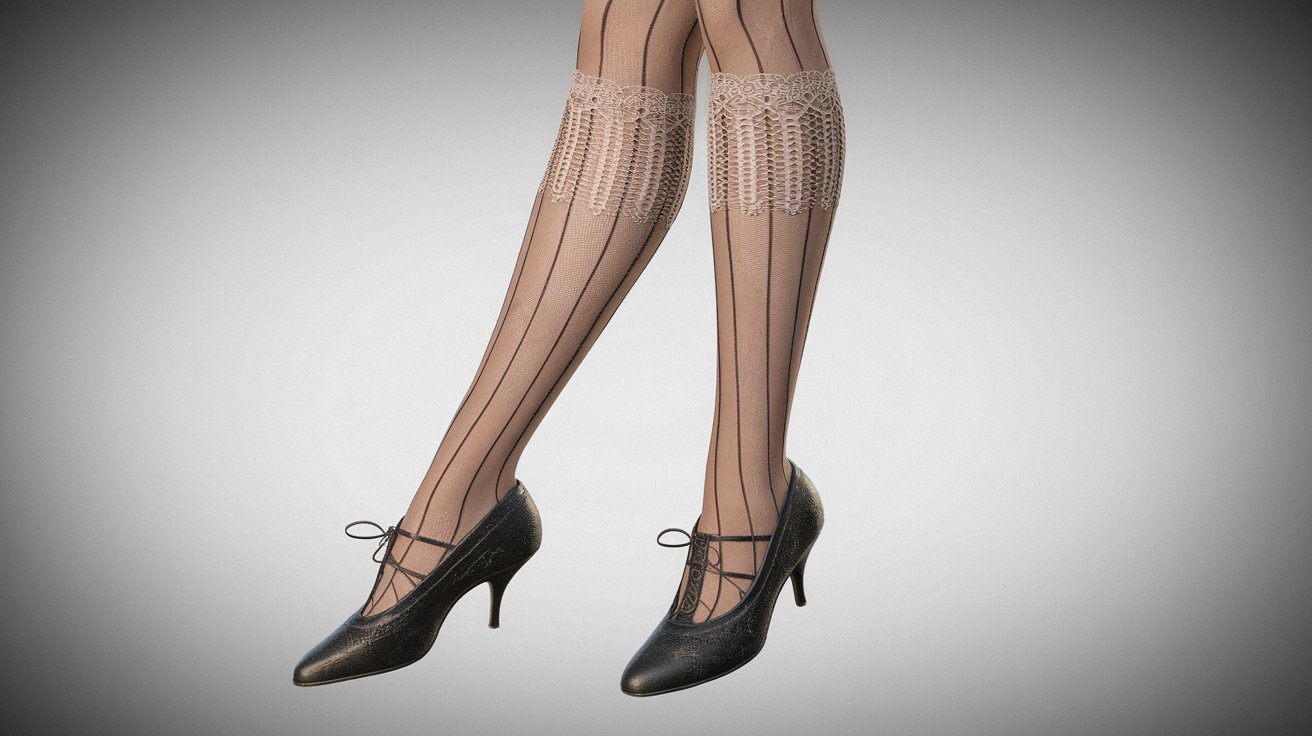
The 1920s stockings marked a dramatic departure from previous decades, with silk becoming the preferred material for fashionable women. Unlike the cotton stockings of earlier periods, silk stockings offered a luxurious sheen and smoother texture that complemented the era’s shorter hemlines. These stockings typically featured back seams that ran straight up the leg, creating an elongated silhouette that was considered highly fashionable.
Rayon stockings also gained popularity during this period as an affordable alternative to silk. The manufacturing boom in the United States during the 1920s made these synthetic stockings widely available to working-class women who wanted to emulate the flapper look. Colors ranged from nude and beige tones to darker shades like black and brown, with nude becoming increasingly popular as it created the illusion of bare legs.
Silk Stocking Manufacturing and Quality
American silk stocking production reached its peak during the 1920s, with companies like Holeproof and Gotham establishing themselves as premium brands. The silk stockings were manufactured using fully-fashioned techniques, meaning they were knitted to the shape of the leg rather than being cut and sewn. This process created a superior fit and durability that justified the higher price point compared to cheaper alternatives.
Stocking Colors and Popular Shades
The color palette for 1920s stockings evolved significantly throughout the decade. Early twenties favored darker shades like black and dark brown, but by mid-decade, nude and flesh-colored stockings dominated the market. Popular shade names included ‘Champagne,’ ‘Moonbeam,’ and ‘Suntan,’ reflecting the era’s fascination with a healthy, sun-kissed appearance that contradicted Victorian pale skin ideals.
Iconic 1920s Shoe Styles and Designs
The 1920s shoes were characterized by low heels, rounded toes, and decorative straps that became synonymous with flapper fashion. T-bar shoes emerged as the most iconic style of the decade, featuring a T-shaped strap across the instep that was both functional and fashionable. These shoes typically had heels ranging from one to two inches, making them practical for the active lifestyle that modern women embraced during the Jazz Age.
Oxford shoes also gained popularity among fashionable women, representing the era’s movement toward more practical and comfortable footwear. The Oxford-style shoes featured lace-up fronts and low heels, often incorporating decorative perforations or contrasting leather panels. These shoes perfectly complemented the boyish silhouette that flappers sought to achieve, rejecting the ultra-feminine styles of previous generations.
T-Bar Shoes: The Quintessential Flapper Footwear
The T-bar shoe became the defining footwear of the 1920s, with its distinctive strap configuration providing both style and security for dancing. These T-bar shoes were available in various materials including patent leather, suede, and fabric, often featuring contrasting colors or decorative elements like buckles or buttons. The style was particularly popular for evening wear and social occasions where dancing was expected.
Oxford and Brogue Shoes for Women
Women’s Oxford shoes in the 1920s represented a bold departure from traditional feminine footwear, incorporating masculine elements that aligned with the era’s androgynous fashion trends. These shoes featured wing-tip designs, decorative perforations, and sturdy construction that made them suitable for the more active lifestyle that modern women were adopting. The popularity of Oxford shoes reflected the changing role of women in American society during this transformative decade.
How to Wear 1920s Stockings: Authentic Styling Techniques
Proper wearing of 1920s stockings required specific techniques that differed significantly from modern hosiery practices. Women would roll their stockings below the knee, creating a distinctive band that was often visible beneath the hemline of their skirts. This rolled stocking look became a signature element of flapper style, representing rebellion against Victorian modesty and propriety.
Garter belts and girdles were essential accessories for securing stockings in place, as elastic waistbands had not yet been invented. The garter belt typically featured four to six metal or rubber clasps that attached to the stocking tops, ensuring they remained smooth and wrinkle-free throughout the day. Many women also used individual garters worn around the thigh as both functional and decorative accessories.
Popular 1920s Footwear Brands and Manufacturers
Several American shoe manufacturers dominated the 1920s footwear market, establishing brand names that became synonymous with quality and style. Companies like Brown Shoe Company, International Shoe Company, and Endicott Johnson Corporation mass-produced fashionable shoes that made flapper styles accessible to women across different economic classes. These manufacturers revolutionized shoe production through assembly-line techniques and innovative marketing strategies.
Premium brands such as I. Miller and Delman catered to wealthy clientele with hand-crafted shoes featuring exotic materials and intricate designs. These high-end 1920s shoe brands often imported materials from Europe and employed skilled craftsmen to create one-of-a-kind pieces for society women. The price difference between mass-produced and luxury shoes was significant, with designer pairs costing ten times more than department store alternatives.
Mass Market Shoe Production
The mass production of 1920s shoes revolutionized American footwear manufacturing, with companies like Endicott Johnson producing millions of pairs annually. These manufacturers utilized new machinery and production techniques that reduced costs while maintaining reasonable quality standards. The availability of affordable, stylish shoes enabled working-class women to participate in fashion trends that were previously exclusive to the wealthy.
Luxury Shoe Designers and Boutiques
High-end 1920s shoe designers like Andrea Pfister and Pietro Yantorny created exquisite footwear for Hollywood stars and society women. These luxury shoes featured hand-beading, exotic leathers, and innovative heel designs that pushed the boundaries of conventional footwear. The craftsmanship and materials used in these shoes represented the pinnacle of 1920s footwear artistry, with some pairs taking weeks to complete.
Care and Maintenance of Vintage Stockings and Shoes
Maintaining 1920s stockings and shoes required careful attention and specific techniques that differed from modern care practices. Silk stockings were particularly delicate and required hand washing in cool water with gentle soap, followed by careful drying away from direct sunlight. Many women owned multiple pairs of stockings to rotate usage, as silk was prone to runs and tears that could ruin an entire outfit.
Leather shoes of the era needed regular polishing and conditioning to maintain their appearance and flexibility. The shoe care routine typically included daily brushing to remove dirt and dust, weekly polishing with appropriate colored creams, and periodic conditioning with leather oils. Patent leather shoes required special attention to prevent cracking and maintain their distinctive shine, often using specific patent leather cleaners and conditioners.
Modern Recreation and Collecting of 1920s Footwear
Contemporary interest in 1920s fashion has led to a thriving market for both authentic vintage pieces and modern reproductions. Collectors seek original stockings and shoes from the era, with prices ranging from hundreds to thousands of dollars depending on condition, brand, and rarity. Authentic pieces are often found at estate sales, vintage boutiques, and specialized auction houses that cater to fashion historians and enthusiasts.
Modern manufacturers have responded to demand by creating reproduction 1920s-style stockings and shoes that capture the aesthetic of the original designs while incorporating contemporary materials and construction techniques. Companies like Unique Vintage, Natty Adams, and What Katie Did specialize in historically-inspired hosiery and footwear that allows modern women to achieve authentic 1920s looks for special events, costume parties, or personal style preferences.
Identifying Authentic Vintage Pieces
Authenticating genuine 1920s stockings and shoes requires knowledge of period-appropriate materials, construction techniques, and manufacturer markings. Original stockings often feature hand-linked toes and back seams, while shoes display specific sole construction and hardware styles characteristic of the era. Collectors should examine wear patterns, aging characteristics, and any surviving labels or stamps that can confirm authenticity and approximate dating.
Modern Reproduction Quality and Sources
High-quality reproductions of 1920s footwear incorporate authentic design elements like T-bar straps, appropriate heel heights, and period-correct color palettes. The best modern reproductions use traditional construction methods and materials that closely match the originals, providing wearers with both historical accuracy and contemporary comfort features. These reproductions have made 1920s style accessible to a new generation of vintage fashion enthusiasts.
Cultural Impact and Fashion Legacy
The influence of 1920s stockings and shoes extended far beyond the Jazz Age, establishing design principles and style elements that continue to influence contemporary fashion. The era’s emphasis on comfort, practicality, and self-expression through footwear choices laid the groundwork for modern women’s liberation in fashion. The rejection of restrictive Victorian-era footwear in favor of lower heels and more comfortable designs represented a broader cultural shift toward women’s independence and mobility.
Hollywood’s golden age perpetuated 1920s style elements, with film stars like Louise Brooks and Clara Bow showcasing flapper footwear that became iconic representations of the era. These visual influences have been repeatedly referenced in fashion revivals, particularly during the 1960s mod movement and the 1990s vintage renaissance. Contemporary designers continue to draw inspiration from 1920s silhouettes and styling techniques when creating modern collections.
Related video about 1920s stockings and shoes
This video complements the article information with a practical visual demonstration.
Important things to know about 1920s stockings and shoes
What materials were 1920s stockings made from?
1920s stockings were primarily made from silk, which was considered the most luxurious and desirable material. Rayon became popular as an affordable alternative, while cotton stockings were used for everyday wear. Silk stockings featured back seams and came in various shades from black and brown to the increasingly popular nude and flesh tones.
How high were the heels on 1920s shoes?
1920s shoes typically featured low heels ranging from one to two inches in height. This represented a significant departure from earlier Victorian-era shoes with higher heels. The lower heel height was both practical and fashionable, accommodating the active lifestyle of modern women and the popularity of dancing during the Jazz Age.
Why did women roll their stockings in the 1920s?
Rolling stockings below the knee became a signature flapper style that represented rebellion against Victorian modesty. This technique created a visible band that showed beneath shorter skirts, symbolizing women’s newfound freedom and rejection of traditional conservative dress codes. The rolled stocking look was both practical and a fashion statement.
What were T-bar shoes and why were they popular?
T-bar shoes were the most iconic 1920s footwear style, featuring a T-shaped strap across the instep that provided both security and fashion appeal. They were particularly popular for dancing and evening wear, available in various materials including patent leather and suede. The T-bar design became synonymous with flapper fashion and Jazz Age style.
How much did 1920s stockings and shoes cost?
In the 1920s, silk stockings typically cost between $1-3 per pair, while shoes ranged from $3-8 for mass-produced styles and $15-30 for luxury brands. Considering that average wages were around $20-25 per week, quality footwear represented a significant investment, leading many women to carefully maintain their stockings and shoes.
Where can I find authentic 1920s stockings and shoes today?
Authentic 1920s footwear can be found at vintage boutiques, estate sales, specialized auction houses, and online marketplaces. Prices range from $200-2000+ depending on condition and rarity. Modern reproductions are available from companies like Unique Vintage and What Katie Did, offering historically accurate styles with contemporary comfort and durability.
| Key Element | Authentic Features | Cultural Significance |
|---|---|---|
| Silk Stockings | Back seams, nude colors, rolled styling | Symbol of liberation and modernity |
| T-Bar Shoes | Low heels, strap design, patent leather | Perfect for dancing and active lifestyle |
| Oxford Shoes | Lace-up front, masculine elements, perforations | Represented androgynous fashion trends |
| Manufacturing | Mass production, assembly line techniques | Made fashion accessible to all classes |