Real 1920s Flapper Girl: Authentic Style Guide & History
The real 1920s flapper girl represented a revolutionary cultural shift in American society during the Jazz Age. These independent young women challenged traditional Victorian values through their distinctive fashion, liberated lifestyles, and bold attitudes. Understanding the authentic flapper movement reveals how these pioneering women shaped modern feminine identity and broke social barriers that had constrained women for generations.
The Historical Origins of Real 1920s Flapper Girls
The emergence of the real 1920s flapper girl stemmed from profound social changes following World War I. Young American women gained unprecedented independence as they entered the workforce during wartime, earning their own money and experiencing freedoms previously denied to them. This economic empowerment coincided with the ratification of the 19th Amendment in 1920, granting women the right to vote and further cementing their position in society.
The term flapper originally described young birds learning to fly, symbolizing these women’s transition from traditional constraints to newfound freedom. By 1922, the flapper phenomenon had spread across major American cities, with young women embracing shorter hairstyles, higher hemlines, and more assertive social behaviors that shocked their conservative parents and grandparents.
Post-War Social Revolution
The aftermath of World War I created a generation gap that fueled the flapper movement in America. Young women who had worked in munitions factories and offices during the war refused to return to purely domestic roles. They demanded equal participation in social activities, including dancing, drinking, and dating without chaperones, fundamentally altering American courtship customs and family dynamics.
Economic Independence and Consumer Culture
The booming 1920s economy provided real flapper girls with disposable income to spend on fashion, cosmetics, and entertainment. Department stores began targeting young women directly with advertisements for bobbed haircuts, shorter skirts, and modern accessories. This consumer revolution allowed flappers to express their individuality through purchasing power, creating the first generation of young American women to define themselves through material choices.
Authentic 1920s Flapper Fashion and Style
The distinctive fashion of real 1920s flapper girls represented a complete departure from Victorian-era clothing. Flapper dresses featured dropped waistlines, shorter hemlines that revealed stockings and shoes, and loose-fitting silhouettes that allowed for dancing and movement. These garments were designed for active young women who wanted to charleston, drive automobiles, and participate in sports without restrictive corsetry.
Authentic flapper accessories included long pearl necklaces, beaded headbands, T-bar shoes, and cloche hats that complemented their signature bobbed hairstyles. The overall aesthetic emphasized youth, rebellion, and modernity, with flapper girls deliberately choosing clothing that would have been considered scandalous by previous generations of American women.
The Revolutionary Bob Haircut
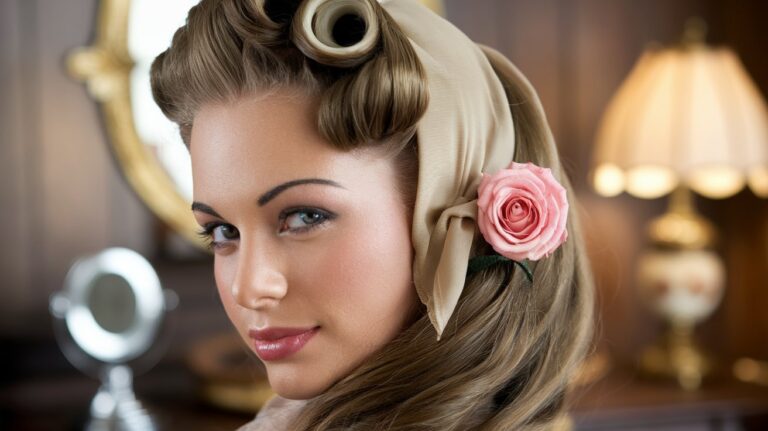
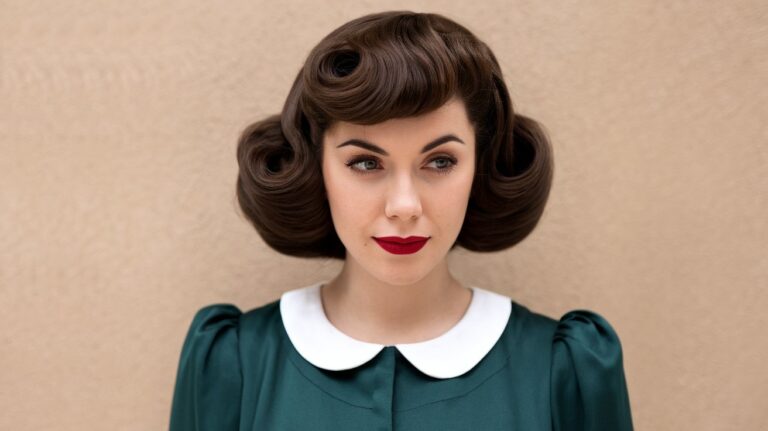
The bob haircut became the most recognizable symbol of real 1920s flapper girls, representing their rejection of traditional feminine beauty standards. This short hairstyle, often accompanied by finger waves or marcel waves, required regular salon visits and demonstrated a flapper’s commitment to modern fashion. Many young women cut their long hair in secret, facing family conflicts when they revealed their dramatic new look.
Makeup and Beauty Standards
Authentic flapper makeup featured dark kohl-rimmed eyes, thin eyebrows, cupid’s bow lips in deep red or dark colors, and pale powder foundation. This dramatic cosmetic style contrasted sharply with the natural Victorian beauty ideal, as flappers openly embraced artificial enhancement. Rouge, lipstick, and eye makeup became symbols of feminine independence and sexual liberation in 1920s American society.
Daily Life and Social Behaviors of Real Flapper Girls
The lifestyle of real 1920s flapper girls centered around socializing, dancing, and challenging conventional expectations for young women. They frequented jazz clubs, speakeasies during Prohibition, and dance halls where they performed the Charleston, Fox Trot, and other popular dances of the era. These venues provided spaces where flappers could interact with men as equals, drink alcohol, and stay out late without parental supervision.
Many authentic flapper girls worked in offices, department stores, or as telephone operators, using their earnings to support their independent lifestyles. They lived in boarding houses or shared apartments with other young women, creating communities of like-minded individuals who supported each other’s pursuit of freedom and self-expression in urban American environments.
The Cultural Impact of Jazz Age Flapper Girls
The influence of real 1920s flapper girls extended far beyond fashion and social customs, fundamentally reshaping American attitudes toward women’s roles in society. Their visible presence in public spaces, from offices to dance floors, normalized the concept of independent working women and challenged the Victorian notion that respectable ladies should remain in domestic spheres under male protection.
Flapper culture coincided with the Harlem Renaissance and jazz music explosion, as these young women embraced African American musical innovations and dance styles. This cultural exchange helped break down some racial barriers in entertainment venues, though segregation remained prevalent throughout most of American society during the 1920s.
Literature and Media Representation
Popular literature and films of the 1920s both celebrated and criticized real flapper girls, with authors like F. Scott Fitzgerald creating iconic characters such as Daisy Buchanan in The Great Gatsby. Magazines like Vanity Fair and Vogue featured flapper fashion and lifestyle content, while conservative publications warned about the moral dangers of this new feminine behavior and its impact on American family values.
Political and Social Activism
Many authentic 1920s flappers participated in political activities beyond voting, supporting causes like birth control access, labor rights, and social reform. Organizations like the League of Women Voters attracted young flapper members who combined their newfound political power with advocacy for progressive causes, demonstrating that rebellion and civic engagement could coexist in the same generation.
Regional Variations in American Flapper Culture
While real 1920s flapper girls appeared throughout the United States, regional differences shaped how the movement manifested in different areas. Urban centers like New York, Chicago, and San Francisco produced the most radical flappers, with access to nightlife, employment opportunities, and diverse social networks that supported unconventional behavior among young women.
Southern and rural American communities experienced more conservative versions of flapper culture, where young women adopted shorter hairstyles and modern fashion while maintaining more traditional social behaviors. These regional variations demonstrate how the flapper phenomenon adapted to local customs and economic conditions across the diverse American landscape during the 1920s.
The Decline and Legacy of 1920s Flapper Girls
The Great Depression of 1929 marked the beginning of the end for real 1920s flapper girl culture, as economic hardship forced many young women to prioritize survival over rebellion. Fashion became more conservative and practical, while employment opportunities decreased dramatically, limiting the financial independence that had enabled flapper lifestyles throughout the previous decade.
However, the legacy of authentic flapper girls persisted in American culture, establishing precedents for women’s independence that would resurface in later feminist movements. The 1960s women’s liberation movement drew inspiration from flapper achievements, while modern fashion designers continue to reference 1920s aesthetics in contemporary collections, demonstrating the enduring influence of these pioneering women.
Related video about real 1920s flapper girl
This video complements the article information with a practical visual demonstration.
Frequently Asked Questions
What made a real 1920s flapper girl different from other women?
Real 1920s flapper girls distinguished themselves through their rejection of Victorian social conventions, adopting short bobbed hairstyles, wearing shorter skirts and dresses, using bold makeup, smoking cigarettes, drinking alcohol during Prohibition, and socializing with men without chaperones. They worked jobs outside the home, lived independently, and openly challenged traditional expectations for feminine behavior in American society.
How did authentic flapper girls earn money in the 1920s?
Authentic flapper girls typically worked as secretaries, telephone operators, shop girls in department stores, stenographers, or in clerical positions in offices. Some worked in the emerging entertainment industry as dancers or chorus girls. The booming 1920s economy provided these employment opportunities, allowing young women to earn wages and achieve the financial independence necessary to support their liberated lifestyles.
What was the typical daily routine of a real flapper girl?
A typical real flapper girl worked during the day at an office or store job, then spent evenings socializing at jazz clubs, dance halls, or speakeasies. They would dance the Charleston, socialize with both male and female friends, attend movies or theater performances, and often stayed out late without parental supervision. Weekends included shopping for modern fashion, salon visits for hair maintenance, and attending parties or social gatherings.
Why did the real 1920s flapper movement end?
The real 1920s flapper movement declined due to the Great Depression starting in 1929, which eliminated many jobs and reduced disposable income needed for flapper fashion and lifestyle. Economic hardship forced women to prioritize practical concerns over rebellion. Additionally, changing social attitudes in the 1930s favored more conservative feminine behavior, while fashion trends shifted toward longer skirts and more traditional styles.
How did real flapper girls impact American women’s rights?
Real flapper girls advanced American women’s rights by normalizing female independence, workplace participation, and equal social participation with men. They demonstrated that women could be financially self-sufficient, make their own lifestyle choices, and participate in public life as equals. Their visible rebellion against traditional constraints paved the way for future feminist movements and established precedents for women’s liberation that continue to influence American society today.
What were the most authentic flapper girl fashion elements?
Authentic flapper girl fashion included drop-waist dresses with hemlines at or below the knee, long pearl necklaces, T-bar shoes with low heels, cloche hats, beaded headbands, and stockings rolled down to the knee. The signature bob haircut with finger waves or marcel waves was essential, along with bold makeup featuring dark-rimmed eyes, thin eyebrows, and deep red cupid’s bow lips. All elements emphasized youth, modernity, and rejection of Victorian restraint.
| Flapper Aspect | 1920s Reality | Historical Impact |
|---|---|---|
| Fashion Revolution | Bob haircuts, short skirts, bold makeup | Established modern women’s fashion freedom |
| Economic Independence | Office jobs, disposable income, consumer power | Created foundation for working women’s rights |
| Social Liberation | Dating without chaperones, nightlife participation | Transformed courtship and gender relationships |
| Cultural Rebellion | Challenged Victorian values, embraced jazz culture | Influenced all subsequent feminist movements |