When Were Perms Invented? Complete History & Timeline
Permanent waves, commonly known as perms, were invented in 1906 by German hairdresser Karl Nessler in London. This revolutionary hair treatment transformed the beauty industry by allowing people to achieve long-lasting curls and waves without daily styling. The original process took up to 12 hours and used heated metal rods, marking the beginning of modern chemical hair processing that continues to evolve today.
The Original Invention: Karl Nessler’s Revolutionary Process
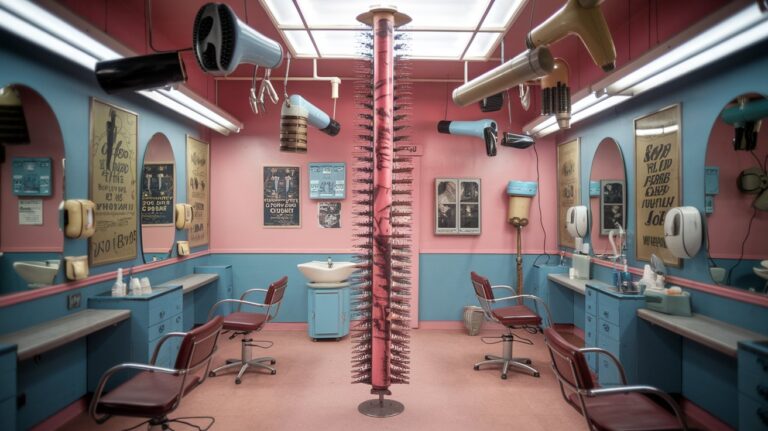
Karl Ludwig Nessler, originally from Germany, developed the first permanent wave machine while working in London in 1906. His groundbreaking invention used a combination of heat, chemicals, and time to permanently alter hair structure. The process involved wrapping sections of hair around heated metal rods connected to an electrical machine that resembled a chandelier hanging over the client’s head.
The original perm process took 8 to 12 hours to complete and cost the equivalent of several hundred dollars in today’s money. Nessler’s technique used a borax paste and heated the hair to temperatures around 212°F (100°C). Despite the lengthy process and potential dangers, wealthy women flocked to salons to achieve the coveted permanent curls that would last for months.
Evolution of Perm Techniques Through the Decades
The evolution of permanent wave techniques accelerated rapidly after Nessler’s initial invention. By the 1920s, American inventors had developed shorter processing methods, reducing treatment time to 2-3 hours. The introduction of different chemical formulations allowed for varying curl patterns and reduced damage to hair structure.
During the 1930s and 1940s, cold wave perms emerged as a safer alternative to heat-based methods. These chemical processes used ammonium thioglycolate and could be performed at room temperature, making perms more accessible to the general public. The post-World War II era saw explosive growth in perm popularity, with an estimated 50% of American women receiving regular permanent waves by 1950.
1950s-1970s: The Golden Age of Perms
The mid-20th century represented the golden age of permanent waves in American beauty culture. Home perm kits became widely available in the 1950s, with brands like Toni and Lilt dominating the market. These do-it-yourself options made perms affordable for middle-class families, leading to widespread adoption across all socioeconomic levels.
1980s Perm Renaissance and Pop Culture Impact
The 1980s witnessed a major perm renaissance driven by pop culture icons and fashion trends. Big, voluminous hair became the defining beauty standard, with celebrities like Madonna and Cyndi Lauper showcasing elaborate permed styles. Professional salons reported that perms accounted for nearly 70% of their chemical services during this decade.
Scientific Breakthroughs in Hair Chemistry
Understanding the science behind permanent waves requires knowledge of hair’s protein structure. Hair consists primarily of keratin proteins held together by disulfide bonds. The perm process uses reducing agents to break these bonds, allowing hair to be reshaped around rods, then oxidizing agents to reform the bonds in their new configuration.
Modern perm chemistry has evolved to include gentler formulations with conditioning agents, pH balancers, and protective proteins. Research conducted by major cosmetic companies in the 2010s led to acid-balanced perms that cause significantly less damage while maintaining curl longevity. Today’s formulations can achieve results in 45-90 minutes compared to the original 12-hour process.
Cultural Impact and Social Significance of Perms
The invention of permanent waves revolutionized women’s daily routines and social expectations around beauty. Before perms, achieving curly hair required time-consuming daily styling with heated tools or sleeping in uncomfortable curlers. The ability to maintain curls for months provided unprecedented freedom and convenience.
Perms also democratized beauty by making fashionable hairstyles accessible regardless of natural hair texture. This was particularly significant for women with naturally straight hair who previously couldn’t achieve the popular curly styles of the early 20th century. The perm industry created thousands of jobs and established the foundation for modern salon culture.
Economic Impact on the Beauty Industry
The economic impact of perm invention extended far beyond individual salons. By 2024, the global hair perming and straightening market reached $8.7 billion, with the United States accounting for approximately 25% of total revenue. This industry supports over 150,000 jobs in chemical manufacturing, product development, and salon services across America.
Gender and Social Class Implications
Early perms were symbols of social status due to their high cost and time requirements. Only wealthy women could afford the original 12-hour treatments, making permed hair a visible indicator of leisure and financial resources. As techniques became more accessible, perms helped break down some class barriers in beauty standards.
Modern Perm Revival and Current Trends (2020-2025)
The 2020s have witnessed an unexpected perm revival among younger generations, particularly Gen Z consumers seeking low-maintenance styling options. Modern perms focus on natural-looking waves rather than tight curls, with techniques like digital perms and beach wave perms gaining popularity. Social media platforms have contributed to this resurgence, with perm-related hashtags generating millions of views.
Contemporary perm trends in 2025 emphasize hair health and customization. Salons now offer specialized treatments for different hair types, including formulations specifically designed for color-treated, damaged, or chemically processed hair. The average cost of professional perms ranges from $80-$400 depending on location and technique, making them more accessible than ever before.
Types of Modern Perms and Techniques
Today’s perm varieties offer unprecedented customization options compared to the original single technique invented in 1906. Digital perms use computer-controlled temperature regulation to create consistent results, while spiral perms produce corkscrew-shaped curls using vertical rod placement. Beach wave perms create loose, natural-looking waves that mimic ocean-tousled hair.
Acid perms work best on fine or damaged hair, using gentler chemicals with a lower pH level. Alkaline perms are ideal for resistant or coarse hair textures, providing stronger curl formation. Exothermic perms generate their own heat through chemical reactions, reducing processing time while maintaining effectiveness.
Specialized Techniques for Different Hair Types
Customized perm approaches have evolved to address various hair textures and conditions. Fine hair benefits from volumizing perms that add body without weight, while thick hair requires stronger formulations to achieve lasting results. Color-treated hair needs special low-ammonia formulations to prevent excessive damage.
Professional vs. At-Home Perm Options
While professional salon perms offer superior results and safety, at-home options remain popular for budget-conscious consumers. Modern home perm kits include improved formulations and detailed instructions, though professional application typically produces longer-lasting and more even results. The success rate for DIY perms has improved significantly since the 1980s due to better product development.
Health and Safety Evolution in Perm Procedures
The safety of perm procedures has improved dramatically since Karl Nessler’s original heated metal rod system. Early perms caused frequent burns, hair breakage, and scalp damage due to excessive heat and harsh chemicals. Modern formulations include conditioning agents, protein treatments, and pH balancers that minimize damage while maximizing results.
Current perm safety standards require extensive patch testing, proper ventilation, and trained technician certification. The FDA regulates perm chemicals as cosmetics, requiring ingredient labeling and safety warnings. Professional stylists must complete specialized training to safely perform chemical services, significantly reducing the risk of adverse reactions or hair damage.
Related video about when were perms invented
This video complements the article information with a practical visual demonstration.
Essential Q&A about when were perms invented
Who actually invented the first perm and when?
Karl Ludwig Nessler, a German hairdresser working in London, invented the first permanent wave in 1906. His original machine used heated metal rods connected to an electrical system to create lasting curls through a combination of heat and chemical treatment.
How long did the original perm process take?
The original perm process invented by Karl Nessler took 8 to 12 hours to complete. The lengthy procedure involved wrapping hair around heated metal rods and maintaining high temperatures throughout the treatment, making it extremely time-consuming and expensive.
When did perms become popular in the United States?
Perms gained popularity in the United States during the 1920s and reached peak popularity in the 1940s-1950s when cold wave techniques made them more accessible. By 1950, approximately 50% of American women were receiving regular permanent wave treatments.
Are modern perms safer than the original 1906 version?
Yes, modern perms are significantly safer than the original 1906 version. Current formulations use gentler chemicals, controlled temperatures, and include conditioning agents. Processing time has been reduced from 12 hours to 45-90 minutes, with much lower risk of burns or severe hair damage.
Why are perms making a comeback in the 2020s?
Perms are experiencing a revival due to social media influence, desire for low-maintenance styling, and improved techniques that create natural-looking waves. Modern perms offer customization options and gentler formulations that appeal to younger generations seeking effortless, textured hair.
How much did the first perms cost compared to today?
The original 1906 perms cost the equivalent of several hundred dollars in today’s money, making them luxury services for wealthy women only. Modern perms range from $80-$400 depending on technique and location, making them much more accessible to the general public.
| Era | Key Innovation | Processing Time | Cost Impact |
|---|---|---|---|
| 1906 | Original heated rod system by Karl Nessler | 8-12 hours | Luxury service for wealthy |
| 1940s | Cold wave technology | 2-3 hours | Middle-class accessible |
| 1980s | Volume-focused techniques | 1-2 hours | Mainstream popularity |
| 2025 | Digital and customized formulations | 45-90 minutes | Wide accessibility with health focus |