Real 80s High School Fashion: Authentic Styles & Trends
Real 80s high school fashion represented a unique blend of rebellion, athleticism, and emerging mall culture that defined teenage style throughout the decade. From preppy polo shirts and acid-washed jeans to bold shoulder pads and neon accessories, high school students in the 1980s created distinctive looks that reflected both pop culture influences and authentic teenage expression during this transformative era.
Iconic 80s High School Clothing Essentials
The foundation of authentic 80s high school fashion centered around specific clothing pieces that became wardrobe staples across American schools. Acid-washed jeans dominated teenage closets, often paired with oversized sweaters or graphic t-shirts featuring popular bands or movie references. These jeans were frequently rolled at the cuffs and worn with white sneakers or boat shoes, creating the quintessential casual look.
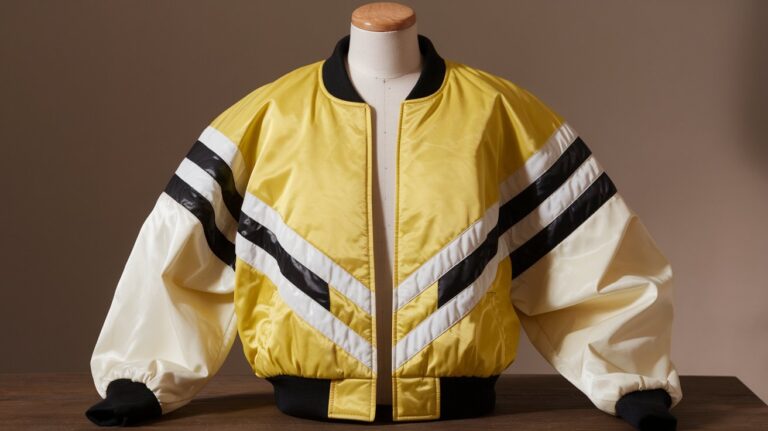
Polo shirts from brands like Lacoste and Izod became status symbols in high school hallways, with students often wearing multiple shirts with popped collars layered together. This preppy influence mixed with athletic wear as teenagers embraced the fitness craze, incorporating leg warmers, leggings, and athletic jackets into their daily outfits even when not participating in sports activities.
Denim Trends and Styling
Denim in the 1980s underwent dramatic transformations that reflected teenage creativity and rebellion. Acid-washed jeans became the most recognizable trend, created through bleaching processes that produced unique patterns and lighter patches. Students would often customize their jeans further with patches, pins, or strategic rips to express individual style within the broader trend.
Layering and Preppy Influences
The preppy layering technique involved wearing multiple polo shirts or combining button-down shirts with sweaters tied around the shoulders. This East Coast collegiate influence spread nationwide through movies and television, with high school students adopting the look regardless of their geographic location or economic background, often mixing authentic pieces with affordable alternatives.
Authentic 80s Hairstyles and Beauty Trends
High school hairstyles in the 1980s defied gravity and conventional beauty standards, with students spending significant time and money achieving the perfect big hair look. Aqua Net hairspray became a teenage essential as students teased, crimped, and styled their hair into voluminous shapes that required daily maintenance and frequent touch-ups between classes.
The side ponytail emerged as a popular everyday style, often secured with scrunchies in bright colors or patterns that coordinated with outfits. Hair accessories like headbands, banana clips, and decorative combs allowed students to experiment with different looks while maintaining the volume and texture that defined the decade’s aesthetic preferences.
Hair Product and Styling Techniques
Achieving authentic 80s hairstyles required specific products and techniques that teenagers learned through trial and error. Crimping irons created zigzag textures, while teasing combs lifted hair at the roots. Hot rollers and curling irons added volume and curl, with students often using multiple tools in combination to achieve their desired look.
Makeup and Beauty Accessories
Bright, bold makeup characterized 80s high school beauty trends, with students experimenting with colorful eyeshadows, dramatic eyeliner, and frosted lip colors. Blue eyeshadow and pink blush were particularly popular, often applied more heavily than current beauty standards would suggest, reflecting the decade’s embrace of dramatic, artificial enhancement.
Athletic and Fitness Fashion Influence
The fitness boom of the 1980s significantly impacted high school fashion, with athletic wear becoming acceptable everyday clothing rather than being confined to gym classes. Students wore spandex leggings with oversized sweatshirts, leg warmers over jeans, and athletic shoes with virtually every outfit, blurring the lines between sportswear and casual fashion.
Headbands and sweatbands became fashion accessories worn regardless of athletic activity, often coordinated with outfit colors or featuring popular logos and slogans. This athleisure trend represented early adoption of comfort-focused fashion that would later become mainstream in subsequent decades, with 1980s teenagers pioneering the concept of athletic-inspired daily wear.
Punk and Alternative Fashion Movements
While mainstream fashion dominated most high schools, significant subcultures embraced punk and alternative styles that challenged conventional teenage dress codes. These students incorporated safety pins, band patches, ripped clothing, and unconventional color combinations into their wardrobes, often facing resistance from school administrators and mainstream peers.
Black became a dominant color choice for alternative students, with leather jackets, combat boots, and dark makeup creating stark contrasts to the bright, preppy styles popular among other student groups. This rebellious fashion movement often included DIY elements, with students customizing their clothing through painting, cutting, or adding hardware to create unique personal statements within the broader alternative aesthetic.
DIY Customization Techniques
Alternative students developed creative DIY fashion techniques including fabric painting, strategic clothing destruction, and hardware application. These customization methods allowed personal expression while working within limited budgets, with students sharing techniques and trading materials to create unique looks that reflected individual musical and cultural preferences.
Music Influence on Alternative Style
Band merchandise and music-inspired fashion played crucial roles in alternative 80s style, with students wearing concert t-shirts, band patches, and accessories that advertised their musical preferences. This connection between music and fashion created visual communities within schools, allowing like-minded students to identify each other through clothing choices.
Accessories and Jewelry Trends
Accessories in 1980s high schools reflected the decade’s embrace of excess and bold statement pieces. Chunky jewelry including oversized earrings, layered necklaces, and wide bracelets complemented the era’s dramatic fashion sensibility, with students often wearing multiple pieces simultaneously to create maximum visual impact.
Plastic and neon accessories dominated teenage jewelry collections, with geometric shapes and bright colors reflecting contemporary art and design movements. Swatch watches became both functional timepieces and fashion statements, with students collecting multiple watches and wearing several simultaneously as decorative accessories rather than purely practical items.
Statement Earrings and Jewelry
Large, dramatic earrings defined 80s jewelry trends, with geometric shapes, bright colors, and unusual materials creating bold focal points. Students experimented with asymmetrical earring combinations and oversized hoops, often coordinating jewelry colors with outfit elements to create cohesive looks that emphasized individual style preferences.
Watches and Functional Accessories
Beyond traditional jewelry, functional accessories became fashion statements, with colorful calculator watches, multiple Swatch timepieces, and decorative key chains serving both practical and aesthetic purposes. These items allowed students to express personality while maintaining school-appropriate accessories that adults would accept.
Regional Variations in 80s High School Style
While national trends influenced teenagers across the United States, regional variations in 80s high school fashion reflected local climates, economic conditions, and cultural influences. West Coast schools showed stronger surfer and casual influences, while East Coast institutions maintained stronger preppy and traditional elements in student wardrobes.
Southern high schools often incorporated country and western elements into mainstream 80s trends, with students mixing cowboy boots with acid-washed jeans or adding western-style jewelry to otherwise typical outfits. These regional adaptations created unique local variations while maintaining recognizable connections to broader national fashion movements that defined the decade.
Shopping and Fashion Sources for 80s Teens
The rise of shopping malls fundamentally changed how high school students accessed and purchased 80s fashion trends, with weekend mall trips becoming social events as well as shopping expeditions. Popular stores like The Limited, Gadzooks, and Chess King catered specifically to teenage tastes, offering affordable versions of current trends that allowed students to participate in fashion movements regardless of family income.
Department stores like JCPenney and Sears provided back-to-school fashion selections, while specialty stores offered more unique or alternative items for students seeking distinctive looks. This retail accessibility democratized fashion participation, allowing broader student populations to engage with trending styles and express individual preferences within established aesthetic frameworks that defined high school social dynamics.
Related video about real 80s high school fashion
This video complements the article information with a practical visual demonstration.
Most asked questions about real 80s high school fashion
What were the most popular clothing brands for 80s high school students?
Popular brands included Lacoste and Izod for polo shirts, Levi’s and Lee for jeans, Esprit for casual wear, and athletic brands like Adidas and Nike. Department store brands like Forenza and The Limited also provided affordable trendy options for teenage budgets, allowing students to achieve popular looks without premium pricing.
How did 80s high school dress codes affect fashion choices?
Most schools maintained conservative dress codes that banned extreme styles, forcing students to adapt trends within acceptable parameters. This led to creative interpretations of popular looks, with students finding ways to incorporate bold colors, accessories, and styling techniques while remaining within institutional guidelines that prohibited revealing or disruptive clothing.
What hairstyles were most common in 80s high schools?
Big, voluminous hair dominated 80s high schools, achieved through teasing, crimping, and heavy hairspray use. Popular styles included side ponytails, feathered hair, crimped styles, and layered cuts with maximum volume. Students spent considerable time and money maintaining these looks, often carrying hairspray and combs for touch-ups throughout the school day.
How expensive was it to dress fashionably in 80s high school?
Fashion costs varied significantly based on brand choices and shopping locations. Designer items like Lacoste polo shirts cost premium prices, but affordable alternatives were available at department stores and mall retailers. Students often mixed expensive statement pieces with budget-friendly basics, allowing participation in trends without requiring completely expensive wardrobes.
Did 80s high school fashion vary between different student groups?
Yes, distinct style tribes existed including preppies, jocks, punks, and new wave students, each with specific fashion preferences. Mainstream students adopted popular trends from movies and MTV, while alternative groups embraced punk, goth, or new wave aesthetics. These fashion choices often reflected musical preferences and social group affiliations within school hierarchies.
What accessories were essential for 80s high school students?
Essential accessories included Swatch watches, large geometric earrings, headbands, leg warmers, and colorful scarves. Students layered multiple accessories to create bold looks, with items like scrunchies, pins, patches, and neon jewelry allowing personal expression within trending aesthetic frameworks that defined teenage fashion during the decade.
| Fashion Element | Key Characteristics | Cultural Impact |
|---|---|---|
| Acid-Washed Jeans | Bleached patterns, casual styling, universal appeal | Democratized designer looks for teenagers |
| Big Hair Styles | Volume, texture, heavy product use | Challenged traditional beauty standards |
| Athletic Wear | Comfort focus, casual acceptance, fitness influence | Pioneered modern athleisure trends |
| Bold Accessories | Geometric shapes, bright colors, statement pieces | Encouraged individual expression within trends |