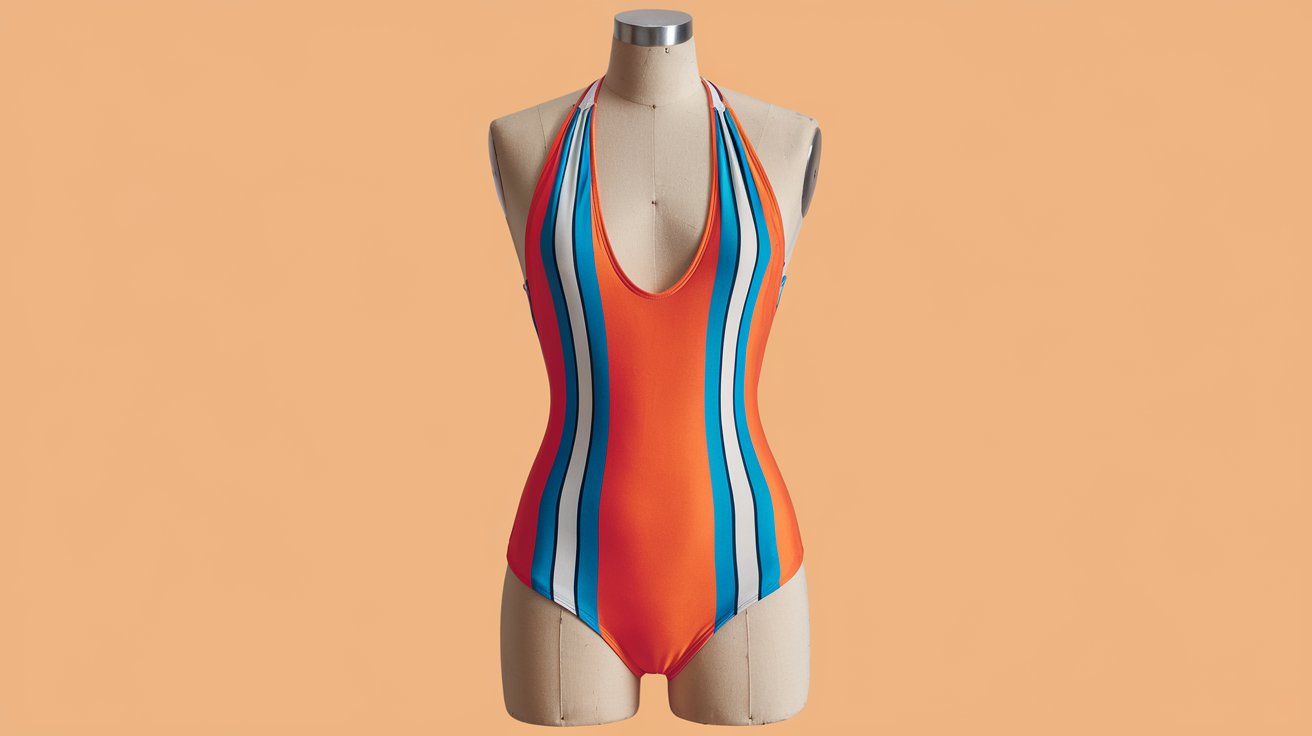
1960s Swimwear History: Iconic Styles That Changed Fashion
The 1960s swimwear history represents one of the most revolutionary periods in beach fashion. This transformative decade introduced the bikini to mainstream American culture, challenged conservative swimming attire, and established design principles that continue influencing modern swimwear today.
The Bikini Revolution in 1960s America
The early 1960s marked a pivotal moment when the bikini became socially acceptable in the United States. Previously banned from many American beaches since its 1946 debut, the two-piece swimsuit gained widespread acceptance through Hollywood influence and changing social attitudes. By 1965, bikini sales represented approximately 35% of all swimwear purchases in America.
American manufacturers like Catalina and Jantzen began producing bikini designs specifically for the US market, featuring higher waistlines and more coverage than European versions. These modifications helped ease American consumers into the bikini trend while maintaining the garment’s fashionable appeal and modern silhouette.
Hollywood’s Impact on Bikini Acceptance
Hollywood stars like Ursula Andress in the 1962 James Bond film ‘Dr. No’ and Annette Funicello in Beach Party movies significantly influenced American bikini acceptance. These on-screen appearances normalized the bikini as fashionable swimwear rather than scandalous clothing, leading to a 400% increase in bikini sales between 1962 and 1967.
Regional Variations Across America
Different regions of the United States embraced 1960s bikini styles at varying rates. California and Florida beaches saw immediate adoption by 1962, while conservative areas in the Midwest and South required until the late 1960s for widespread acceptance. This regional disparity created distinct market segments for swimwear manufacturers.
Mod Fashion Influence on Swimwear Design
The mod fashion movement profoundly shaped 1960s swimwear aesthetics, introducing geometric patterns, bold color combinations, and streamlined silhouettes. British mod style, popularized through music and fashion, crossed the Atlantic and transformed American beach fashion by mid-decade.
Swimwear designers incorporated mod elements like contrasting trim, cut-out details, and psychedelic prints. Popular patterns included op-art inspired designs, bold stripes, and abstract florals that reflected the decade’s artistic movements and youth culture.
Evolution of One-Piece Swimsuit Styles
While bikinis gained attention, one-piece swimsuits evolved significantly during the 1960s. Designers created more flattering cuts with strategic seaming, built-in bras, and figure-enhancing details. The traditional tank-style suits gave way to more sculptural designs that celebrated the female form.
Key innovations included princess seaming for better fit, removable padding for customizable shape, and new synthetic fabrics that provided better stretch and recovery. Brands like Rose Marie Reid pioneered these technical advances while maintaining elegant aesthetics.
Technical Fabric Innovations
The introduction of synthetic fabric blends revolutionized swimwear construction in the 1960s. Nylon-spandex combinations provided superior stretch and shape retention compared to earlier wool and cotton suits, while maintaining durability in chlorinated pool water and salt water environments.
Color Trends and Patterns
Popular 1960s swimwear colors included bright oranges, shocking pinks, turquoise blues, and lime greens that reflected the decade’s optimistic mood. Floral prints featuring tropical motifs and abstract patterns dominated design choices, with many suits featuring multiple color combinations in single garments.
Men’s Swimwear Transformation
Men’s swimwear experienced equally dramatic changes during the 1960s fashion revolution. Traditional wool trunks with built-in tops gave way to shorter, more fitted styles made from quick-drying synthetic materials. The decade introduced swim trunks with 5-7 inch inseams, significantly shorter than previous decades.
Popular men’s styles included Hawaiian print board shorts, solid color racing briefs, and mod-inspired geometric patterns. Surfer culture, particularly from California, heavily influenced these design trends and promoted more athletic, streamlined silhouettes.
Cultural Impact on Beach Fashion
The sexual revolution and changing social norms of the 1960s directly influenced swimwear acceptance and design. Young Americans embraced more revealing styles as expressions of personal freedom and rebellion against conservative values, making swimwear a symbol of generational change.
Beach culture became synonymous with youth rebellion and freedom, with swimwear serving as both functional clothing and cultural statement. Music festivals, beach parties, and surf culture all contributed to the normalization of more revealing swimwear styles across American society.
Media and Advertising Influence
Magazine advertisements and television commercials played crucial roles in promoting new swimwear styles. Publications like Seventeen and Glamour featured extensive swimwear editorials, while TV ads during popular shows normalized bikinis and modern swimsuit styles for mainstream audiences.
Youth Culture and Beach Lifestyle
The emergence of distinct teenage beach culture created new market segments for swimwear manufacturers. Young Americans demanded styles that differed from their parents’ choices, driving innovation in colors, cuts, and price points specifically targeted at the youth demographic.
Major Swimwear Brands and Designers
Leading American swimwear companies like Catalina, Jantzen, and Cole of California dominated the 1960s market through innovative designs and strategic marketing. These brands competed intensively for market share, resulting in rapid style evolution and technological improvements.
Designer swimwear emerged as a luxury category, with high-end fashion houses entering the swimwear market. This trend elevated swimwear from purely functional clothing to fashion statements worthy of significant investment and careful consideration.
Legacy and Influence on Modern Swimwear
The innovations and style changes of 1960s swimwear continue influencing contemporary beach fashion. Modern bikini proportions, one-piece cutout designs, and bold pattern mixing all trace their origins to this transformative decade in American fashion history.
Today’s swimwear industry builds upon 1960s foundations with advanced technical fabrics, inclusive sizing, and diverse style options that reflect the decade’s spirit of innovation and social progress. The period’s emphasis on youth culture and individual expression remains central to modern swimwear marketing and design philosophy.
Related video about 1960’s swimwear history
This video complements the article information with a practical visual demonstration.
Everything you need to know about 1960’s swimwear history
When did bikinis become popular in America during the 1960s?
Bikinis gained mainstream acceptance in America around 1962-1963, largely due to Hollywood influence and changing social attitudes. By 1965, bikinis represented about 35% of all swimwear sales in the United States, marking their transition from controversial to fashionable.
What were the most popular swimwear colors in the 1960s?
The 1960s featured bold, vibrant colors including shocking pink, bright orange, turquoise blue, and lime green. These colors reflected the decade’s optimistic mood and mod fashion influence, with many swimsuits featuring multiple bright colors in geometric or floral patterns.
How did men’s swimwear change during the 1960s?
Men’s swimwear became significantly shorter and more fitted, transitioning from traditional wool trunks to synthetic materials with 5-7 inch inseams. Popular styles included Hawaiian prints, solid racing briefs, and geometric patterns influenced by surf culture and mod fashion.
Which fabric innovations revolutionized 1960s swimwear?
The introduction of nylon-spandex blends transformed swimwear construction, providing superior stretch, shape retention, and durability compared to earlier wool and cotton suits. These synthetic materials also offered better performance in chlorinated and salt water environments.
What role did Hollywood play in 1960s swimwear trends?
Hollywood significantly influenced swimwear acceptance through films like ‘Dr. No’ (1962) and Beach Party movies. Stars like Ursula Andress and Annette Funicello helped normalize bikinis and modern swimwear styles, contributing to a 400% increase in bikini sales between 1962-1967.
How did regional differences affect swimwear adoption in 1960s America?
Coastal areas like California and Florida embraced new swimwear styles by 1962, while conservative regions in the Midwest and South adopted these trends more slowly, often not until the late 1960s. This created distinct regional markets for swimwear manufacturers.
| Style Innovation | Cultural Impact | Lasting Influence |
|---|---|---|
| Bikini Mainstream Acceptance | Challenged conservative values and promoted personal freedom | Established bikini as standard swimwear option globally |
| Synthetic Fabric Technology | Improved comfort and performance in water activities | Foundation for modern technical swimwear materials |
| Bold Colors and Patterns | Reflected optimistic youth culture and artistic movements | Continues in contemporary swimwear design trends |
| Designer Swimwear Category | Elevated swimwear from functional to fashion statement | Created luxury swimwear market segment |