1940s Hats for Women: Ultimate Style Guide & Where to Buy
The 1940s hats for women represent one of fashion’s most elegant and sophisticated eras, when headwear was considered essential to complete any outfit. From glamorous wide-brim hats to chic pillbox styles, these vintage accessories defined feminine elegance during the wartime and post-war periods. Today’s fashion enthusiasts are rediscovering these classic 1940s hat styles for their timeless appeal and versatility in modern wardrobes.
Essential 1940s Hat Styles Every Woman Should Know
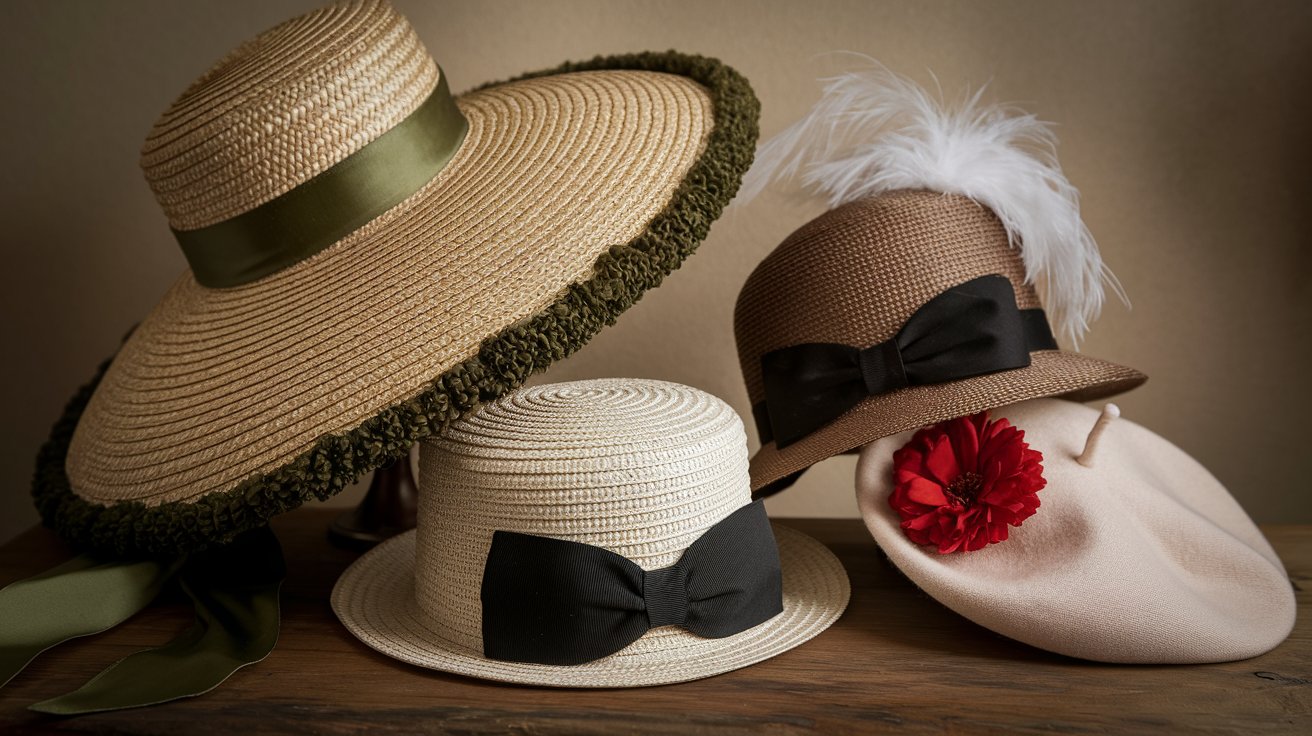
The 1940s women’s hats were characterized by their structured elegance and attention to detail. During this decade, hat-wearing was not optional but mandatory for well-dressed women. The most prominent vintage hat styles included the pillbox, beret, cloche variations, and wide-brimmed garden party hats. Each style served different social occasions and reflected the wearer’s status and fashion awareness.
Materials played a crucial role in 1940s hat fashion, with felt being the most popular choice for autumn and winter styles. Straw and lightweight fabrics dominated summer collections, while velvet and silk were reserved for evening wear. The wartime hat styles often incorporated practical elements while maintaining their feminine charm, reflecting the era’s balance between functionality and fashion.
The Iconic Pillbox Hat
The pillbox hat 1940s became synonymous with sophisticated femininity, featuring a small, round crown that sat perfectly on the head without a brim. These structured vintage hats were typically adorned with netting, feathers, or small decorative elements. The pillbox’s compact size made it ideal for professional women who needed stylish headwear that wouldn’t interfere with their work activities while maintaining the era’s dress codes.
French Berets and Their American Adaptation
The 1940s beret styles gained popularity in America as women embraced this French-inspired accessory. Unlike traditional French berets, American versions were often smaller and more structured, worn tilted at fashionable angles. These wool vintage hats provided both warmth and style, making them perfect for cooler climates while adding an element of European sophistication to American wardrobes.
Color Palettes and Patterns of 1940s Women’s Hats
The 1940s hat colors reflected the decade’s cultural influences and material availability during wartime. Navy blue, burgundy, forest green, and brown dominated the color palette, with black remaining a classic choice for formal occasions. Wartime fashion restrictions limited the use of certain materials and dyes, leading to creative solutions in hat design and decoration that defined the era’s aesthetic.
Patterns in 1940s millinery were typically subtle and sophisticated, featuring small prints, plaids, and geometric designs. Floral patterns were popular for spring and summer hats, while solid colors with textural interest through felt manipulation or fabric weaving characterized autumn and winter styles. The vintage hat patterns often incorporated patriotic elements subtly, reflecting the war era’s influence on fashion choices.
Authentic vs Reproduction 1940s Hats
Understanding the difference between authentic 1940s hats and modern reproductions is crucial for collectors and fashion enthusiasts. Original vintage pieces show specific construction techniques, materials, and wear patterns that indicate their age. Genuine vintage millinery often features hand-sewn details, specific label placements, and materials that were common during the 1940s but may be rare today.
Modern reproduction 1940s hats offer accessibility and often better condition for regular wear. Quality reproductions use similar construction methods and materials to achieve authentic looks while providing durability for contemporary use. When shopping for vintage-style hats, examine the stitching quality, material authenticity, and overall construction to determine whether you’re purchasing an original piece or a well-made reproduction.
Identifying Authentic 1940s Hat Makers
Famous 1940s hat designers included Lilly Daché, Sally Victor, and Mr. John, whose pieces are highly sought after by collectors today. These vintage millinery brands often featured distinctive labels, construction techniques, and design elements that help authenticate pieces. Original hats from these designers can command significant prices in today’s vintage market, making proper identification essential for serious collectors.
Condition Assessment for Vintage Hat Purchases
When evaluating vintage hat condition, examine the crown structure, brim stability, and any decorative elements for signs of wear or damage. Original 1940s hat construction should show appropriate aging without compromising structural integrity. Check for moth holes, staining, or previous repairs that might affect the hat’s value and wearability in modern contexts.
Modern Ways to Style 1940s Hats
Incorporating 1940s hats into modern outfits requires understanding both vintage styling principles and contemporary fashion trends. The key is balancing authentic vintage elements with updated clothing pieces to create looks that feel fresh rather than costume-like. Vintage hat styling tips include pairing classic hat shapes with modern silhouettes and using accessories to bridge the gap between past and present fashion sensibilities.
Professional stylists recommend starting with one statement vintage hat piece and building outfits around its color and style. For casual wear, 1940s-inspired hats work beautifully with tailored blazers, A-line skirts, and classic pumps. Evening styling can incorporate more dramatic hat styles with contemporary cocktail dresses, creating sophisticated looks that honor the original era while feeling thoroughly modern.
Where to Buy Quality 1940s Women’s Hats in 2025
The market for 1940s women’s hats has expanded significantly with online vintage retailers, specialty millinery shops, and reproduction manufacturers offering various options for different budgets. Vintage hat shopping requires careful consideration of seller reputation, return policies, and authenticity guarantees. Estate sales, antique shows, and specialized vintage fashion events remain excellent sources for finding authentic pieces.
Online platforms have revolutionized access to vintage millinery, but buyers must exercise caution regarding condition descriptions and seller credibility. Professional vintage clothing dealers often provide detailed condition reports and authenticity certificates for higher-value pieces. Reproduction hat manufacturers like Vivien of Holloway and Stop Staring! offer high-quality modern versions that capture the essence of 1940s style while providing contemporary comfort and durability.
Top Online Retailers for 1940s Hat Styles
Leading online sources for vintage-style hats include specialty retailers focusing on 1940s fashion reproductions. These retailers often provide sizing guides, styling advice, and detailed product descriptions that help customers make informed purchases. Many offer custom sizing services to ensure proper fit, which is crucial for hat comfort and authentic styling.
Local Vintage Shops and Estate Sales
Local vintage boutiques and estate sales provide opportunities to examine authentic 1940s hats in person before purchasing. These venues often offer unique pieces that haven’t been widely circulated online, making them valuable resources for collectors seeking rare or unusual vintage millinery pieces. Building relationships with local vintage dealers can lead to first access to newly acquired collections.
Care and Preservation of Vintage 1940s Hats
Proper vintage hat care is essential for maintaining both authentic pieces and quality reproductions. 1940s hat storage requires specific techniques to preserve shape and prevent damage from moisture, light, and pests. Professional millinery blocks or hat stands help maintain crown shape, while acid-free tissue paper supports the structure during long-term storage.
Cleaning vintage felt hats requires gentle techniques and appropriate tools to avoid damaging delicate materials or decorative elements. Professional hat cleaning services specialize in vintage pieces and understand the specific requirements of different materials and construction methods from the 1940s era. Regular maintenance includes gentle brushing, proper storage, and periodic professional assessment to address any developing issues before they become serious problems.
1940s Hat Etiquette and Cultural Significance
Understanding 1940s hat etiquette adds depth to wearing these vintage styles appropriately in modern contexts. During the 1940s, specific rules governed when and where different hat styles were appropriate, reflecting social class, occasion, and time of day. Vintage fashion etiquette included removing hats indoors, coordinating hat styles with outfit formality, and choosing appropriate decorative elements for different social situations.
The cultural significance of 1940s hats extends beyond mere fashion, representing women’s changing roles during and after World War II. As women entered the workforce in unprecedented numbers, hat styles evolved to accommodate practical needs while maintaining feminine appeal. These wartime fashion adaptations reflected broader social changes and continue to influence contemporary discussions about fashion, femininity, and professional dress codes in American society.
Related video about 1940s hats for women
This video complements the article information with a practical visual demonstration.
Frequently Asked Questions
What are the most popular 1940s hat styles for women?
The most iconic 1940s hat styles include pillbox hats, berets, wide-brimmed garden party hats, and modified cloche styles. Pillbox hats were particularly popular for their sophisticated look and practical size, while berets offered a European-inspired casual option. Wide-brimmed styles were favored for formal occasions and summer wear, featuring elegant decorative elements like ribbons and flowers.
How can I tell if a 1940s hat is authentic or reproduction?
Authentic 1940s hats feature specific construction techniques including hand-sewn details, period-appropriate materials like quality felt or straw, and original maker labels. Look for natural aging patterns, specific stitching styles, and materials that were available during the 1940s. Reproductions often use modern synthetic materials and machine stitching, though high-quality reproductions can closely mimic authentic construction methods.
Where is the best place to buy 1940s women’s hats today?
The best sources include specialized vintage clothing retailers, estate sales, antique shows, and reputable online platforms. For authentic pieces, local vintage boutiques and estate sales offer hands-on examination opportunities. For reproductions, established vintage-style retailers provide quality options with proper sizing and return policies. Professional dealers often offer authentication services and condition guarantees.
How should I care for and store vintage 1940s hats?
Store vintage hats on proper hat stands or millinery blocks to maintain shape, using acid-free tissue paper for support. Keep them in cool, dry locations away from direct sunlight and moisture. Clean with gentle brushing using appropriate tools, and consider professional cleaning for valuable pieces. Avoid crushing or folding, and handle decorative elements carefully to prevent damage.
Can 1940s hat styles be worn with modern clothing?
Yes, 1940s hat styles complement many modern outfits when styled thoughtfully. Pair vintage hats with contemporary tailored pieces, A-line skirts, or classic blazers for sophisticated looks. The key is balancing vintage elements with modern silhouettes to avoid costume-like appearances. Choose colors and styles that coordinate with your existing wardrobe for versatile, wearable vintage-inspired looks.
What colors were most popular for 1940s women’s hats?
Popular 1940s hat colors included navy blue, burgundy, forest green, brown, and classic black. Wartime material restrictions influenced color choices, leading to practical yet elegant palettes. Seasonal variations included lighter colors and florals for spring and summer, while deeper, richer tones dominated fall and winter collections. These colors were chosen for their versatility and ability to coordinate with the era’s typical wardrobe pieces.
| Hat Style | Key Features | Modern Appeal |
|---|---|---|
| Pillbox Hat | Small round crown, no brim, decorative elements | Perfect for professional and formal occasions |
| Beret | Soft wool construction, worn at angles | Versatile casual wear with European sophistication |
| Wide-Brim Hat | Elegant brim, decorative ribbons or flowers | Statement piece for special events and summer wear |